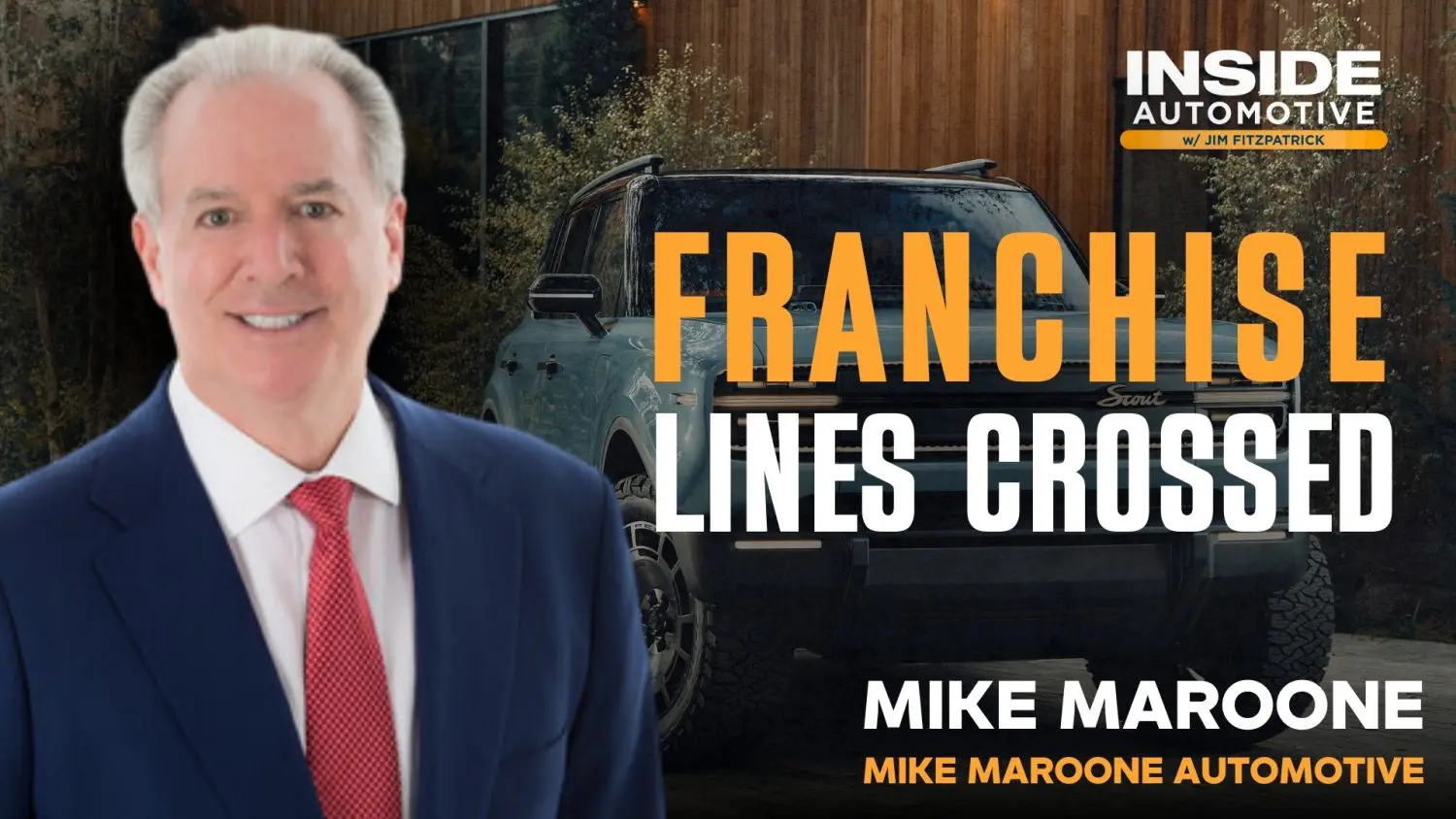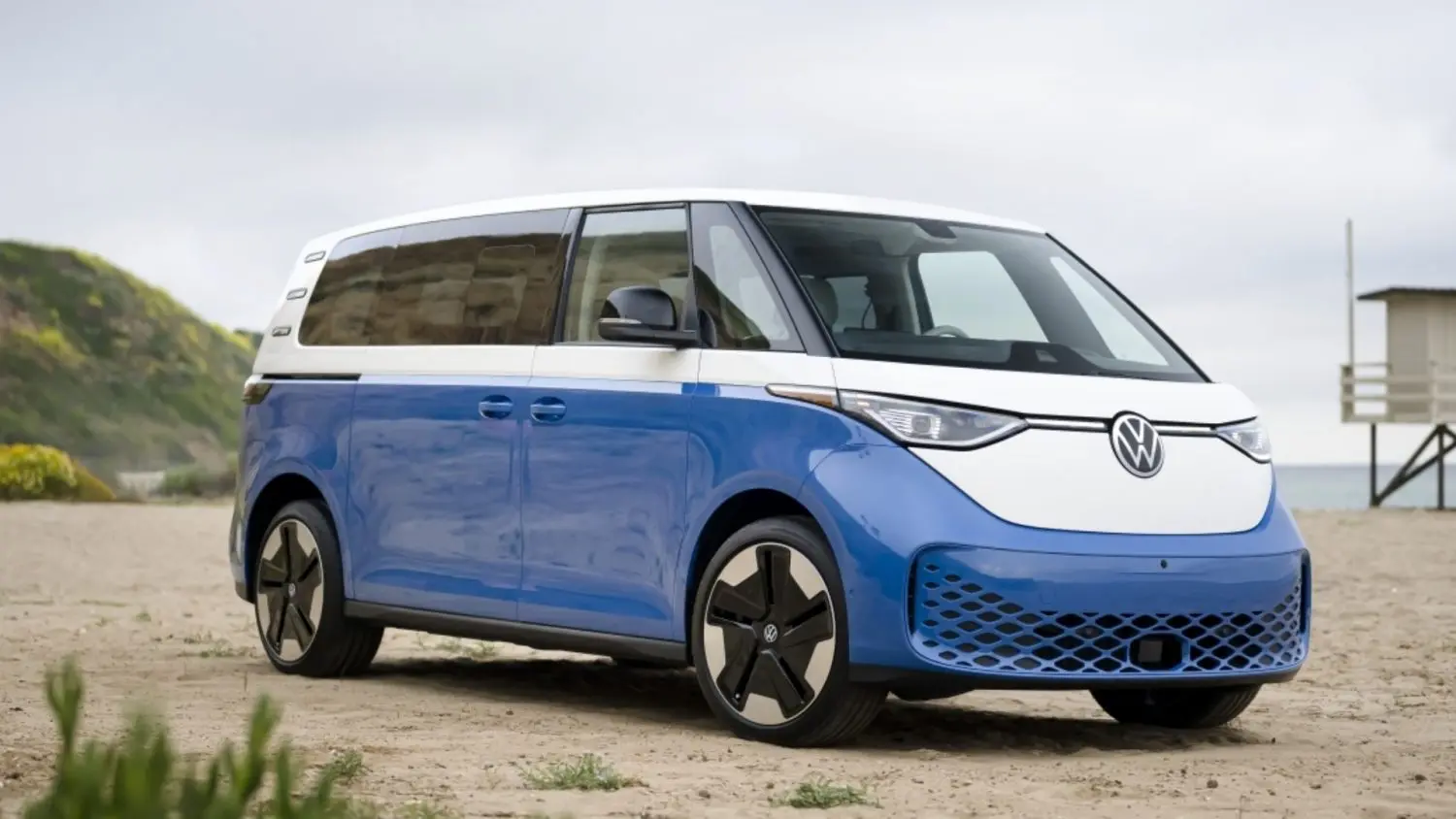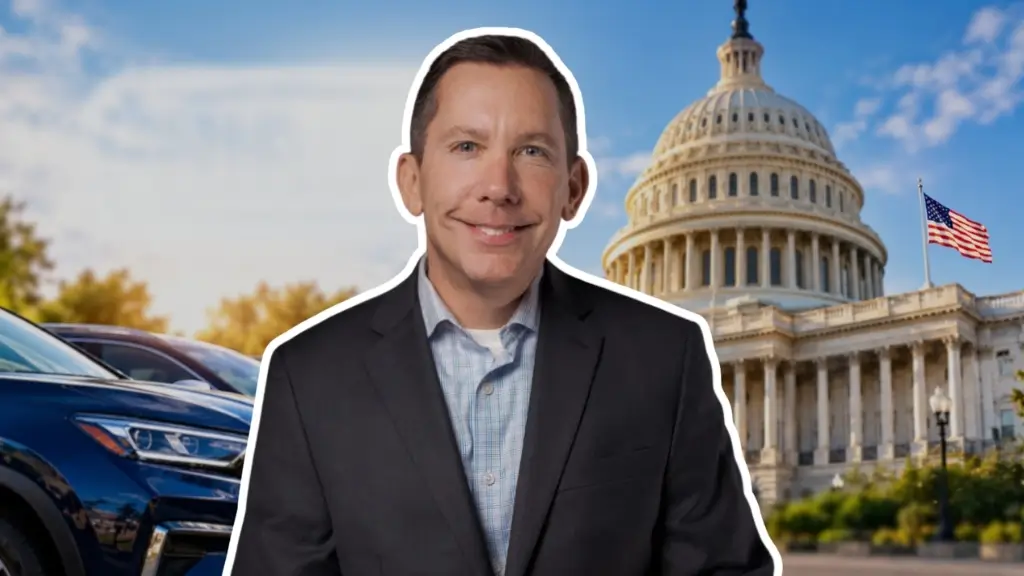
Scout Motors was granted a Colorado dealer license that allows it to sell its electric vehicles directly to consumers, putting franchise dealers nationwide on high alert. On today’s episode of CBT Now, Former President of the Colorado Automobile Dealers Association (CADA), Tim Jackson, explains how the decision could test state franchise laws, dealer operations and create broader implications for the retail automotive industry.
Many outside the retail automotive space argue that a direct-sales model benefits consumers. Jackson strongly agrees, emphasizing that the franchise system remains the most practical and consumer-friendly distribution model in the U.S.
Brands that sell directly to consumers, such as Rivian and Lucid, operate with only a few storefronts. That limited footprint makes service, warranty repairs and recall work far less convenient for customers. By contrast, the franchise system spans thousands of dealerships nationwide, enabling most consumers to reach a service location within an hour. This broad network improves access to vehicle purchases, routine maintenance and time-sensitive recall repairs.
Jackson points to Rivian as a recent example. The EV maker issued two significant recalls this year, one affecting over 24,000 vehicles due to a hands-free assist software defect and another involving over 17,000 vehicles tied to potential seat belt failures. Rivian operates fewer than 50 showrooms nationwide, which severely limits its ability to manage large-scale recall work. In many cases, customers may need to travel for hours to reach the nearest location, which can significantly diminish the ownership experience. Automakers that utilize the franchise dealers can distribute recall work across a much wider network, reducing delays and inconvenience.
According to Jackson, Volkswagen is operating under the false assumption that direct-to-consumer sales are the right path forward for Scout. He argues the franchise system offers a far more economical and efficient solution. Volkswagen dealers already have the facilities, equipment, and trained staff, along with thousands of locations nationwide, to put Scout vehicles directly in front of customers.
"This is the kind of incident that demonstrates the importance of state dealer associations across the country because they are the backbone of the franchise laws and what keeps the system going."
Despite the setback, Jackson praises CADA’s long-standing advocacy efforts. Over the past 35 years, every franchise law the association has brought to the Colorado Capitol has been enacted, often by overwhelming margins. He encourages other state dealer associations to ensure legislation is supported by veto-proof majorities before advancing it.
Jackson also urges dealers who are not actively involved with their state dealer association to engage now. Associations are the primary defenders of the franchise system and a critical resource for dealers. Attending meetings, participating in advocacy efforts, building relationships with fellow dealers and staying connected with legislators all strengthen the industry’s position.
For those who believe Scout poses little risk, Jackson urges a closer look. Dealers invest tens of millions of dollars into their businesses, building facilities, hiring and training staff and funding marketing efforts at little cost to manufacturers. In return, they expect the assurance that their supplier will not compete directly against them.
When franchise agreements were signed, these laws were already in place. Jackson argues that Volkswagen’s attempt to work around those protections undermines trust and destabilizes the dealer-manufacturer relationship. Volkswagen built its success in the U.S. through its dealer network, and that foundation should not be disregarded.