On the Dash:
- The Trump administration proposed rolling back CAFE standards to 34.5 mpg for 2022-2031 vehicles.
- Crossovers and small SUVs will be reclassified as passenger vehicles, easing regulatory burdens.
- Automakers broadly support the rollback, while environmental groups criticize it for favoring oil and gas interests.
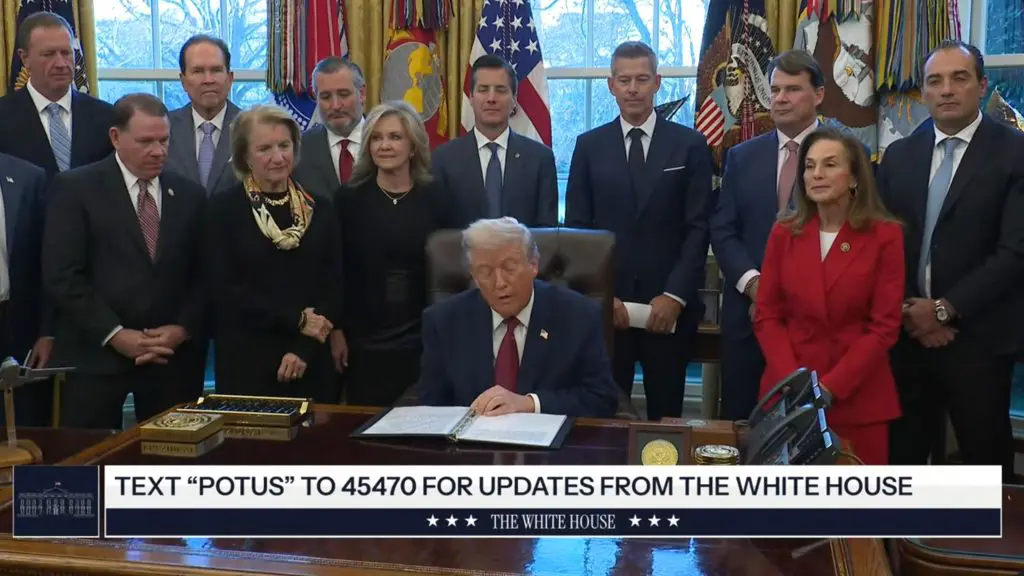
President Donald Trump announced on Wednesday a proposal to roll back stringent federal fuel economy standards, offering significant relief for automakers.
The proposed changes to the Corporate Average Fuel Economy (CAFE) standards would require 2022 to 2031 model-year vehicles to achieve an average fuel economy of 34.5 mpg, a significant reduction from the Biden administration’s previous target of 50.4 mpg. In addition, crossover and small SUVs will be reclassified as passenger vehicles rather than light trucks, further easing regulatory burdens.
The move grants automakers more flexibility to produce vehicles that align with consumer demand and market realities. It also reduces the need for manufacturers to rely on electric vehicle sales to meet fleet-wide fuel economy averages, particularly as federal tax incentives for EVs were eliminated earlier this year.
The administration will publish the proposal in the Federal Register, followed by a 45-day public comment period. A public hearing will be scheduled at a later date.
The administration framed the rollback as a correction to previous rules that were unrealistic, increased vehicle costs, and limited consumer choice. Environmental groups, however, criticized the change, arguing it benefits oil and gas interests while undermining fuel economy and emissions goals.
Automakers and industry groups publicly supported the announcement. Ford CEO Jim Farley and Stellantis CEO Antonio Filosa attended the White House event alongside Transportation Secretary Sean Duffy, Senator Bernie Moreno, and National Automobile Dealers Association Chairman Tom Castriota. Representatives from General Motors were also present.
The CAFE statute, established in 1975, requires the Department of Transportation to set fleet-wide fuel economy standards. The proposed rollback aligns with the Trump administration’s broader efforts to reduce regulatory burdens on automakers, loosen EV mandates, and encourage production of gasoline-powered vehicles.