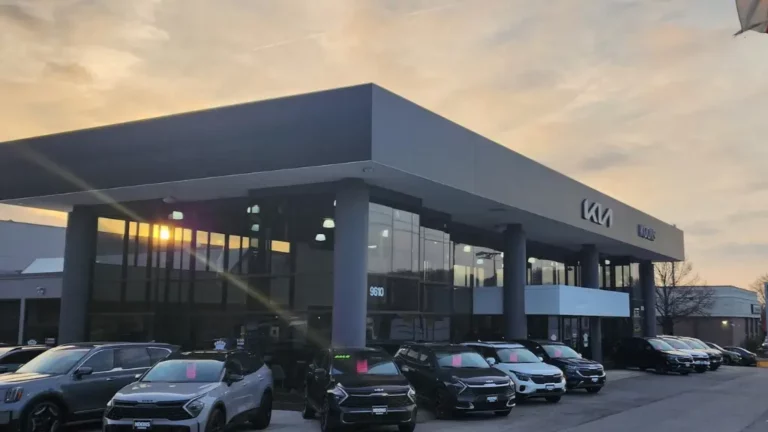
Dealerships are facing growing threats from increasingly sophisticated vehicle theft and fraud, which can erode profits and disrupt operations. On today’s episode of Driving Solutions, Aaron Lee and Justin Bartlett from Ally Dealership Insurance share the most common tactics used by thieves and how to better protect their inventory.
Every year, thieves become more sophisticated and skilled at exploiting vulnerabilities in the modern car-buying and selling process. Bartlett explains that the most common vulnerabilities fall into two primary categories: false pretense claims and cargo theft. Lot theft is also a concern, though it has tapered off in recent years.
The most common methods of theft are:
- False Pretense Claims: Using a falsified identity or information to trick a dealer into releasing a vehicle.
- Cargo Theft: Stealing vehicles while they are being transported, often through manipulation of online load boards.
- Lot Theft: Stealing vehicles directly off of dealership lots.
To reduce the risk of loft theft, Lee urges dealerships to be diligent with key and inventory management. An organized key system is essential, as is making sure staff understand where keys and vehicles are at all times. Many dealers now use GPS and geofencing tools to track inventory, enabling them to receive immediate notification when a car leaves the property. An additional best practice is to block entrances and exits to prevent thieves from driving off the property.
"Thieves are becoming more sophisticated. And what we've seen is they've really identified vulnerabilities in the new ways that cars are bought and sold." — Justin Bartlett
Cargo theft is on the rise across the industry. Bartlett explains that most cargo theft cases begin when a dealership lists a vehicle on an online shipping load board. Once a buyer agrees to purchase the vehicle and shipping terms are finalized, criminals often use a fictitious broker or a hacked legitimate shipping account to intercept the shipment. They then double-broker the load to an unsuspecting legitimate carrier or to a shipper within their criminal organization. In both scenarios, the dealer believes the vehicle is being transported properly when it is actually being stolen.
To help avoid this, thorough due diligence and ongoing communication throughout the selling and shipping process can be beneficial. Before releasing a vehicle to a shipper, dealers should research the transport company outside of the load board, verify that the business has a legitimate online presence, request certificates of insurance and confirm those policies are active with the issuing carrier. Dealers may also want to confirm with the buyer the exact pickup time, the company name, and the original shipping terms. When possible, using real-time tracking capabilities can help dealers monitor the vehicle’s location throughout transport.
False pretense fraud is also a growing concern. Criminals may use falsified identification or forged signatures to trick a dealer into surrendering a vehicle. To combat this, dealerships might consider verifying customer identities carefully, confirming signatures and utilizing ID scanners for an added layer of protection.
"It’s important to conduct due diligence to verify the identity of the customer. Know the customer that you're doing business with." — Aaron Lee
Although there is no guaranteed way to stop every theft attempt, dealers can significantly minimize their risk by consistently training their staff. Training isn’t a one-time activity. Since thieves become smarter each year, dealership teams may want to continually refresh their knowledge.
Bartlett stresses the importance of incorporating theft-prevention training into onboarding and holding annual refreshers for all staff. Most insurance carriers offer training programs for dealers, and additional resources are available from the National Insurance Crime Bureau and dealership associations.
Ally also offers tailored insurance products designed specifically for franchised auto dealers and the unique risks they face. These products include coverage for theft as well as property and liability claims. Lee encourages dealers to speak with their insurance advisor to understand the options available to them better.