TSLA365.4401.88%
GM85.620-0.5%
F13.9700.09%
RIVN16.030-0.02%
CYD35.820-0.08%
HMC32.5200.905%
TM198.2005.72%
CVNA69.160-1.12%
PAG215.910-0.7%
LAD358.020-8.13%
AN203.670-3.55%
GPI278.270-3.57%
ABG208.500-0.31%
SAH75.900-0.62%
TSLA365.4401.88%
GM85.620-0.5%
F13.9700.09%
RIVN16.030-0.02%
CYD35.820-0.08%
HMC32.5200.905%
TM198.2005.72%
CVNA69.160-1.12%
PAG215.910-0.7%
LAD358.020-8.13%
AN203.670-3.55%
GPI278.270-3.57%
ABG208.500-0.31%
SAH75.900-0.62%
TSLA365.4401.88%
GM85.620-0.5%
F13.9700.09%
RIVN16.030-0.02%
CYD35.820-0.08%
HMC32.5200.905%
TM198.2005.72%
CVNA69.160-1.12%
PAG215.910-0.7%
LAD358.020-8.13%
AN203.670-3.55%
GPI278.270-3.57%
ABG208.500-0.31%
SAH75.900-0.62%

Nvidia debuts Alpamayo-R1 to improve reasoning in autonomous vehicles

The model gives developers clearer insight into how self-driving systems interpret and react to real-world conditions, helping accelerate safer deployment.
Nvidia releases Alpamayo-R1, an open-source AI model that explains self-driving decisions to speed development and improve transparency.

On the Dash:

• Nvidia released Alpamayo-R1 to help autonomous vehicles explain their decisions using natural language.

• The model aims to give developers clearer insight into how self-driving systems interpret and react to real-world environments.

• Nvidia says the open-source release will support industry-wide standards for evaluating autonomous vehicle safety.


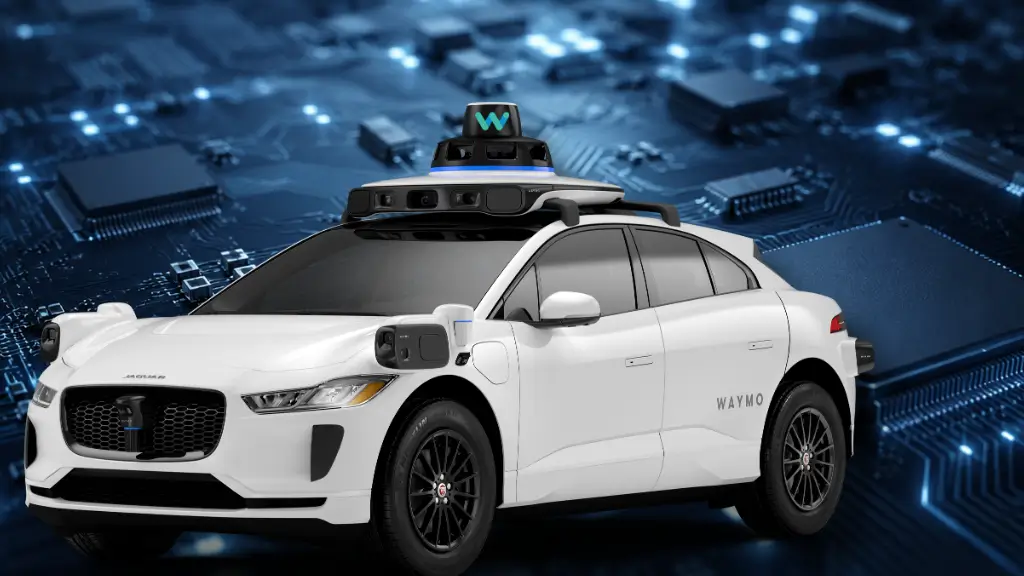
Nvidia released new open-source software on Monday designed to accelerate self-driving vehicle development by using advanced AI reasoning systems. The company introduced Alpamayo-R1, a vision-language-action model that allows autonomous vehicles to describe what they see, think through decisions, and plan their paths using natural language. The launch marks a significant step in making autonomous systems easier for engineers to evaluate and improve.

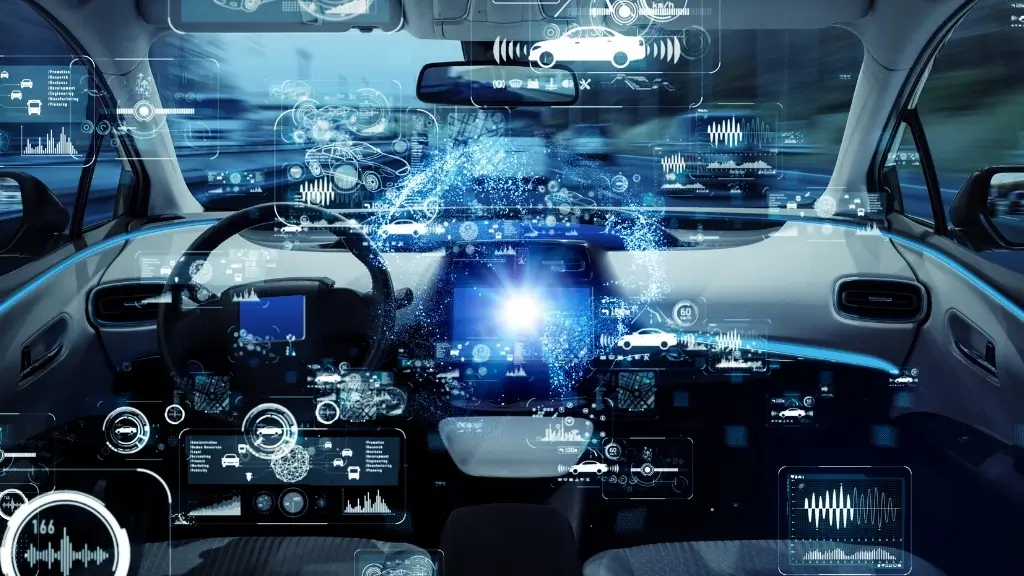
The software enables a vehicle to interpret road environments, generate a natural-language explanation of what the sensors detect, and then use that information to determine how it should respond. Nvidia said the model can think aloud as it operates. For example, if the system detects a bike path, it will recognize it and adjust its route, while also noting that action in language. This feature gives developers clearer insight into the vehicle’s decision-making process.

Sign up for CBT News’ daily newsletter and get the latest industry stories delivered straight to your inbox.

Nvidia has become the world’s most valuable company as demand for its AI chips continues to surge, but it has long maintained a large software research arm. That team regularly releases open-source AI tools that companies across several industries can adopt. Nvidia positioned Alpamayo-R1 as a technology that will help the self-driving sector create more transparent and consistent evaluation methods.

The company named the model after Alpamayo, a steep mountain peak in Peru known for its difficult terrain. Nvidia said the name reflects the challenges of navigating real-world driving conditions and the need for more adaptable AI systems.

Katie Washabaugh, product marketing manager for autonomous vehicle simulation, told Reuters that a key goal of releasing the software publicly is to give the industry a better way to understand how these models behave. She said the open-source approach is intended to help developers study decision-making patterns and collaborate on standards that improve safety across the sector.

Earlier generations of autonomous driving systems were limited in how they explained their behavior, which made it harder for engineers to diagnose issues. Nvidia said the new model can reduce that barrier and help speed progress toward safer commercial deployment.

Read More
More from Autonomous Vehicles
Waymo details custom chip built to speed up robotaxi reaction time

Waymo details custom chip built to speed up robotaxi reaction time

- August 21, 2026
On the Dash: Waymo's new 5nm chip gives its robotaxis a big boost in raw processing power. The company says Computing power has scaled 20 times over the past eight...
Tesla prepares public rollout of driverless Cybercab this month

Tesla set to launch driverless Cybercab, reports say

- August 18, 2026
On the Dash: Tesla employees will ride Cybercabs on Austin public roads before commercial riders do. Cybercab has no steering wheel or pedals, leaving no manual fallback if FSD isn't...
Waymo's driverless cars crash 68% less than humans, IIHS study finds

Waymo’s driverless cars crash 68% less than humans, IIHS study finds

- July 24, 2026
On the Dash: Waymo vehicles crashed 68% less often than human drivers over 50 million miles studied Single-vehicle crashes dropped 85% and injury crashes dropped 81% compared with human...
NHTSA

NHTSA brake pedal rule could revolutionize the robotaxi market in 2026

- June 26, 2026
On the Dash: NHTSA has proposed removing the federal mandate for manual brake pedals in vehicles designed to operate exclusively without a human driver. The change could ease the path...
CBT News
Privacy Overview

This website uses cookies so that we can provide you with the best user experience possible. Cookie information is stored in your browser and performs functions such as recognising you when you return to our website and helping our team to understand which sections of the website you find most interesting and useful.