On the Dash:
- Tesla is facing a lawsuit after a 2023 Model 3 crash that killed one passenger and injured another due to faulty electric door handles.
- The lawsuit alleges defects in the doors, sudden acceleration issues, and a failure of the automatic braking system, claiming negligence and misrepresentation.
- This case contributes to ongoing litigation and a federal investigation into Tesla’s door safety and low-voltage battery risks.
Tesla has been sued over a January 2023 Model 3 crash in Washington state that killed one passenger and seriously injured another, after rescuers allegedly struggled to open the vehicle’s electrically operated doors. The lawsuit, filed Friday in federal court in the Western District of Washington (Tacoma), claims the electric door handles became inoperable, delaying rescue efforts.
The crash involved Jeffery and Wendy Dennis, who were running errands on a Saturday afternoon when the sedan “suddenly and rapidly accelerated out of control,” striking a utility pole and catching fire. Wendy Dennis died at the scene, and her husband suffered burns and other injuries. Bystanders reportedly attempted to assist, including trying to break windows with a baseball bat, but could not reach the occupants in time.
The complaint cites Tesla’s “unique and defective door handle design” and alleges negligence, misrepresentation, and failure to warn customers that the handles could fail after a crash. Plaintiffs also claim the vehicle experienced sudden unintended acceleration and that its automatic emergency braking system failed to intervene. The suit accuses Tesla of ignoring known fire hazards associated with its lithium-ion battery packs.
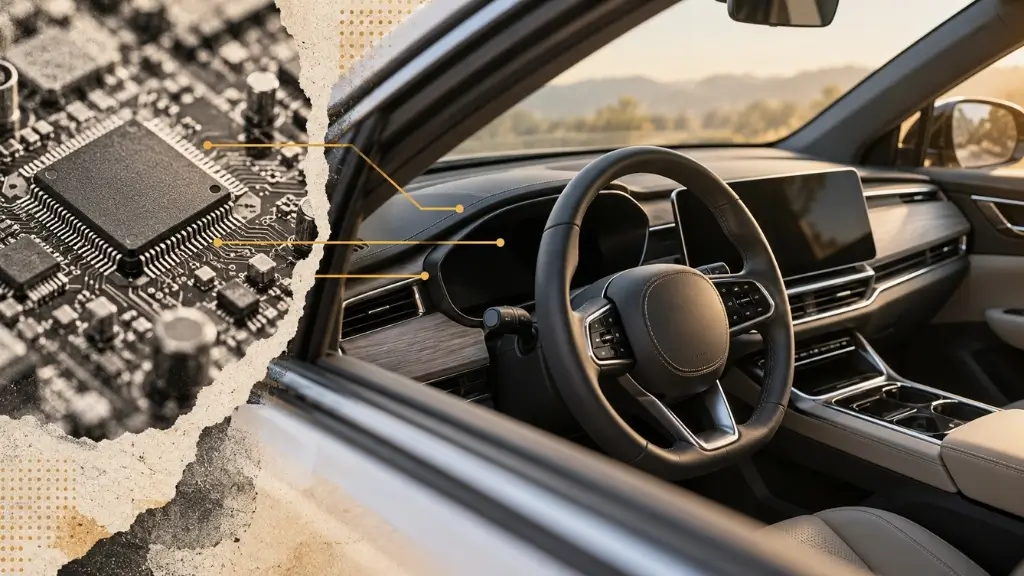
Tesla vehicles use a low-voltage battery to power interior functions, including windows, doors, and the touchscreen. In severe crashes, loss of low-voltage power can render the exterior door handles inoperable. While mechanical interior releases exist, many occupants are unfamiliar with their location or operation.
The Washington lawsuit is the latest in a growing series of legal actions targeting Tesla’s door design. Recent cases include a Wisconsin Model S crash that killed five people after they allegedly became trapped, a Cybertruck crash in Piedmont, California, that resulted in three deaths, and a Murrieta, California, crash in which one teenager survived while three died.
In September, the NHTSA opened an investigation into Tesla door failures, citing incidents in which exterior handles stopped functioning and trapped occupants. Tesla design chief Franz von Holzhausen told Bloomberg the company is working on redesigned handles intended to be more intuitive during “panic situations.”