TSLA381.6308.83%
GM76.8900.27%
F12.080-0.16%
RIVN16.4000.34%
CYD41.2101.13%
HMC24.3400.34%
TM192.6201.36%
CVNA395.995-0.595%
PAG171.520-0.14%
LAD290.120-0.88%
AN212.3806.69%
GPI356.8707.66%
ABG203.6902.3%
SAH78.7505.44%
TSLA381.6308.83%
GM76.8900.27%
F12.080-0.16%
RIVN16.4000.34%
CYD41.2101.13%
HMC24.3400.34%
TM192.6201.36%
CVNA395.995-0.595%
PAG171.520-0.14%
LAD290.120-0.88%
AN212.3806.69%
GPI356.8707.66%
ABG203.6902.3%
SAH78.7505.44%
TSLA381.6308.83%
GM76.8900.27%
F12.080-0.16%
RIVN16.4000.34%
CYD41.2101.13%
HMC24.3400.34%
TM192.6201.36%
CVNA395.995-0.595%
PAG171.520-0.14%
LAD290.120-0.88%
AN212.3806.69%
GPI356.8707.66%
ABG203.6902.3%
SAH78.7505.44%

Mercedes-Benz to cut CO2 in EV production with low-carbon aluminum

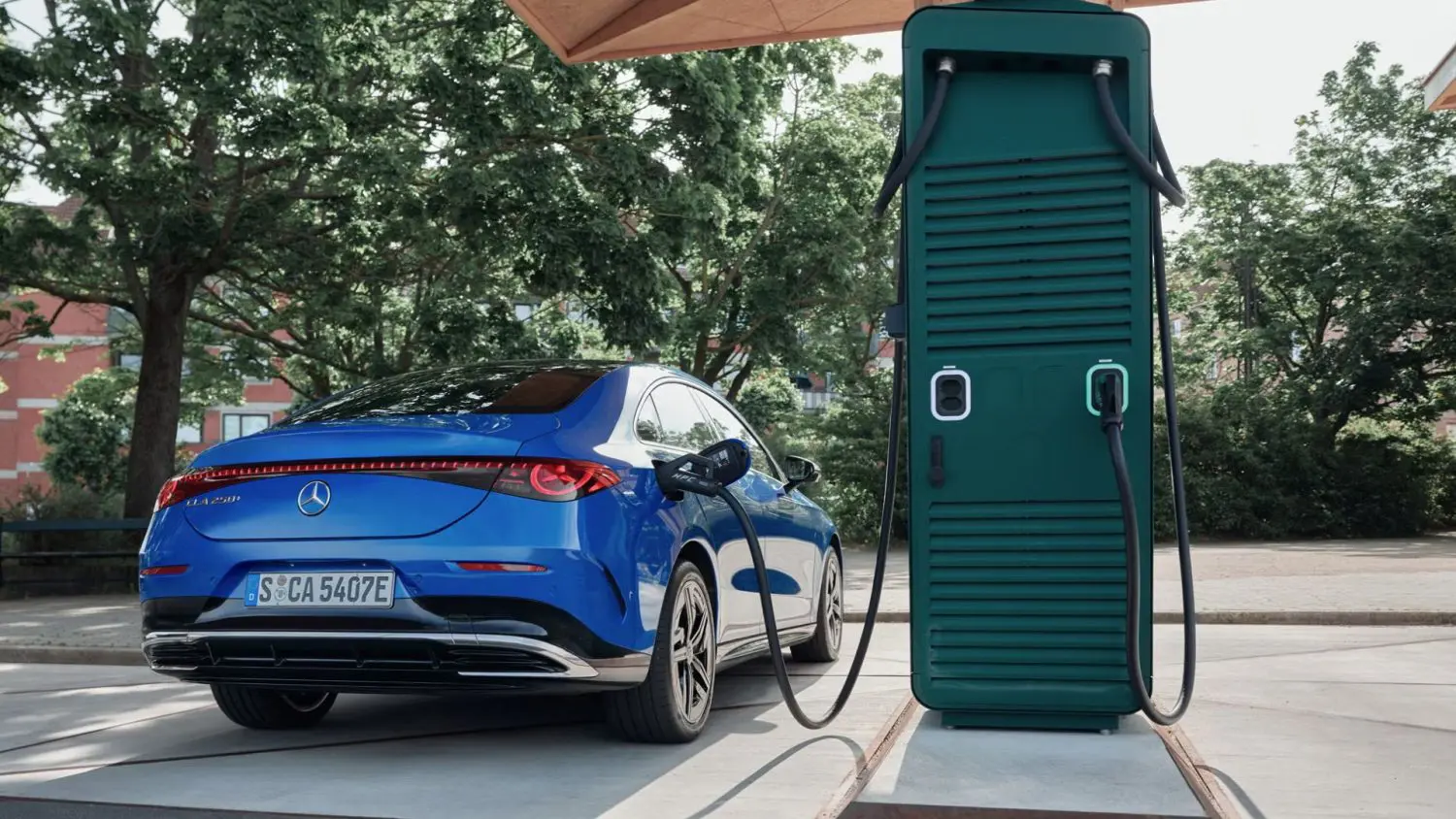
Mercedes-Benz partners with Norsk Hydro to use low-carbon, recycled aluminium in its electric CLA, cutting production emissions by 40%.
Mercedes-Benz is utilizing low-carbon aluminum to manufacture its new electric CLA, resulting in a 40% reduction in CO2 emissions.

2026 Mercedes-Benz CLA EV | Car and Driver

On the Dash:

  • Mercedes-Benz has created its new electric CLA using low-carbon aluminum, which reduces production emissions by 40% compared to earlier models.
  • The company produces this aluminum with renewable energy and 25% recycled scrap, resulting in only 3 kg of CO2 emissions per kilogram, compared to the global average of 16.7 kg.
  • Partnerships with suppliers like Norsk Hydro enable Mercedes to share decarbonization costs while meeting the growing demand for environmentally friendly luxury vehicles from consumers.

Mercedes-Benz is utilizing low-carbon aluminum to manufacture its new electric CLA, resulting in a 40% reduction in CO2 emissions compared to its non-electric predecessor. The move is part of the automaker’s broader effort to decarbonize operations and reduce the environmental footprint of its electric vehicles.

The aluminium is produced in partnership with Norwegian metals company Norsk Hydro, using renewable energy and incorporating 25% recycled scrap. The metal’s production generates just 3 kilograms of CO2 per kilogram of aluminum, far below the global average of 16.7 kilograms.

Sign up for CBT News’ daily newsletter and get the latest industry stories delivered straight to your inbox.

Mercedes-Benz executives said that sustainability is now integral to their luxury vehicle production, and that the premium cost of low-carbon aluminium does not deter customers. The partnership with Norsk Hydro also helps share the costs of decarbonizing the supply chain, rather than placing the burden solely on the manufacturer or consumers.

Norsk Hydro noted that demand for low-carbon materials is growing, even amid a challenging aluminium market marked by slow economic growth. The companies emphasized that environmentally friendly raw materials are becoming a key differentiator for premium consumer products.

Mercedes-Benz has faced scrutiny in the past over sustainability claims, including a lawsuit in Germany related to environmental marketing that was dropped in 2022. The automaker stated that the use of low-carbon aluminium aligns with its broader strategy to reduce emissions across its entire EV lineup while maintaining performance and luxury standards.


Read More
More from Articles
GM deploys Google Gemini AI to 4 million vehicles

GM deploys Google Gemini AI to 4 million vehicles with no dealer involvement

- April 30, 2026
On the Dash: Four million GM vehicles get a major AI upgrade to Google Gemini without visiting a dealership. Gemini brings hands-free messaging, smarter navigation and conversational AI to the...
Pleos Connect

Hyundai Motor Group redefines in-vehicle experience with ‘Pleos Connect’ next-generation infotainment system

- April 30, 2026
Pleos Connect, a next-generation infotainment system, will launch in May as Hyundai Motor Group’s first Software-Defined Vehicle (SDV) transition deliverable The system will debut on Hyundai Motor’s new GRANDEUR in...
Fed holds rates steady, squeezing used-car buyers

Fed holds rates steady, squeezing used-car buyers

- April 30, 2026
On the Dash: Used-car buyers face the greatest strain as high interest rates persist, with no incentives to offset costs. Rising gas prices disproportionately impact lower-income households, compounding affordability challenges. ...
Ford raises 2026 outlook after Q1 earnings beat expectations

Ford raises 2026 outlook after Q1 earnings beat expectations

- April 30, 2026
On the Dash: Ford beats Q1 expectations with strong pricing, mix and services growth. Tariff ruling delivers $1.3B benefit, helps offset rising aluminum costs. Company raises EBIT outlook while maintaining...
CBT News
Privacy Overview

This website uses cookies so that we can provide you with the best user experience possible. Cookie information is stored in your browser and performs functions such as recognising you when you return to our website and helping our team to understand which sections of the website you find most interesting and useful.