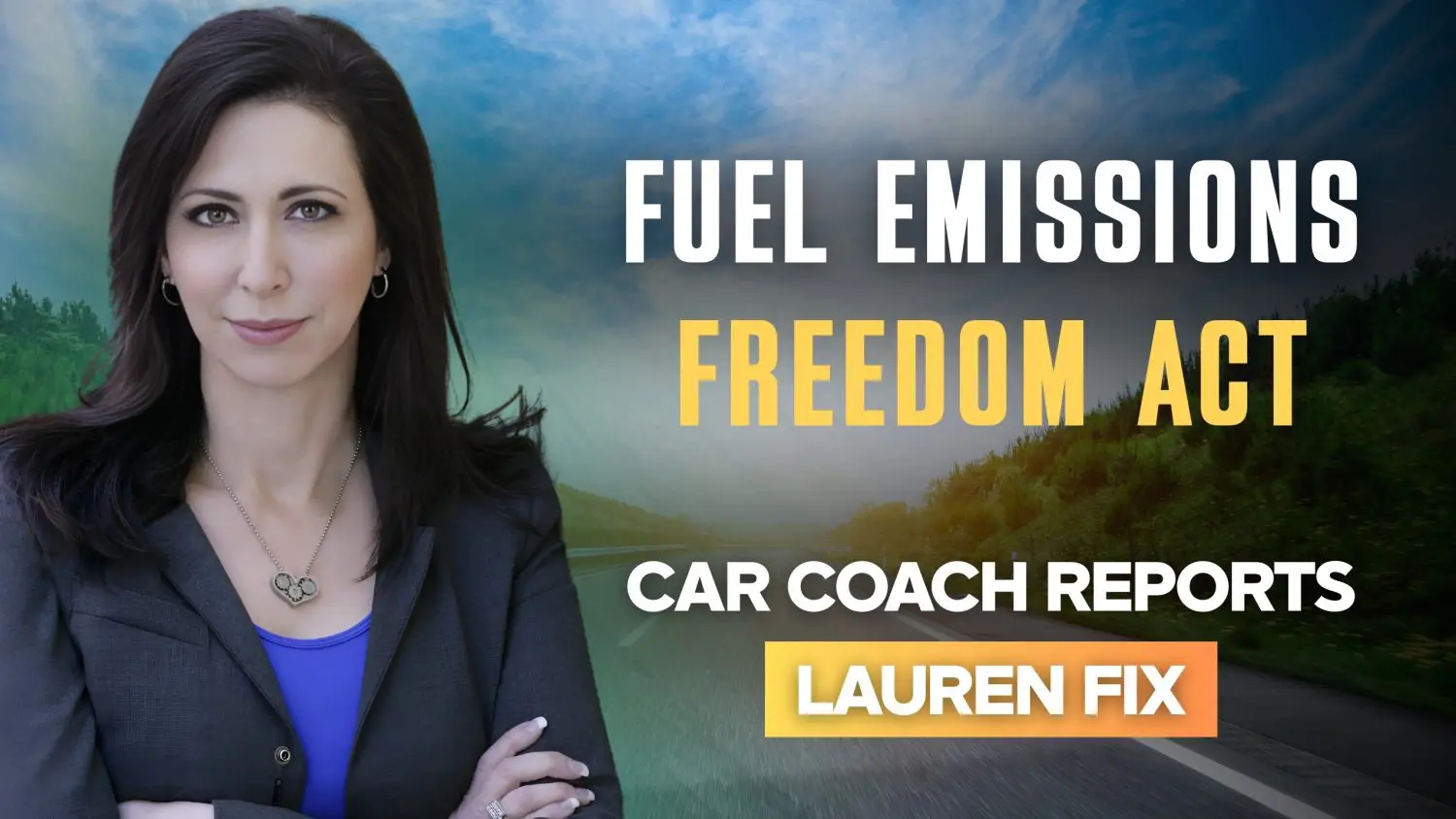
House Bill H.R. 4117, the Fuel Emissions Freedom Act, first introduced on June 24, 2025, is shaking up debate across the automotive world. The legislation, now under review by the House Committee on Energy and Commerce, seeks to repeal federal and state motor vehicle emission and fuel economy standards under the Clean Air Act and related laws.
Its stated goals? Lower costs for consumers, simplify compliance for automakers, and revive U.S. competitiveness. But behind the legal jargon lies a direct challenge to one of the most powerful forces in U.S. auto regulation: California.
What is H.R. 4117 — and why is it a game-changer?
The bill, sponsored by Representative Roger Williams of Texas and cosponsored by Representatives Michael Cloud, Brandon Gill, and Victoria Spartz, takes aim at Section 202 of the Clean Air Act (federal emissions standards) and portions of Title 49 of the U.S. Code (CAFE standards).
But the sharpest edge of H.R. 4117 is its intent to nullify state-level mandates like California’s Advanced Clean Cars II program, which requires 100% zero-emission vehicle sales by 2035. If passed, the bill would prevent California—and any other state following its lead—from setting its own emission or fuel rules, putting Washington and Sacramento directly at odds.
The case for H.R. 4117: Cutting costs, cutting red tape
Supporters argue that the current system of EPA rules, layered with California’s mandates and CAFE standards, creates a regulatory maze that raises costs and limits choice.
- Lower prices for drivers: Meeting the EPA’s 2023 rules, which require a 49% emissions cut by 2032, could raise new car prices by thousands. Repealing these standards would ease costs for buyers and keep more affordable gas-powered vehicles on the market.
- Regulatory simplification: Automakers currently juggle federal requirements and California’s dictates, plus a patchwork of states copying California. The result? Confusion, higher compliance costs, and supply chain strain. H.R. 4117 promises a single, unified system.
- Strengthening U.S. industry: Instead of funneling billions into forced EV development, manufacturers could refocus on consumer demand, job growth, and homegrown production.
- Choice, not mandates: With California mandating EV adoption, critics argue consumers are losing the freedom to buy the cars they actually want—trucks, SUVs, or traditional sedans. This bill restores that choice.
California says it will fight back. State legislators, including environmental groups, parts of the auto industry, and, California regulators, warn of consequences because they want control and power over the auto industry.
California’s outsized power
At the center of this fight is California’s unique authority under the Clean Air Act to set its own emission standards, with other states free to follow its lead. For decades, this waiver has allowed California to dictate national auto policy by sheer market size.
H.R. 4117 would strip that power entirely, ending California’s role as the de facto regulator for the entire U.S. auto market. Supporters call this a win for fairness and consumer freedom; opponents call it an assault on states’ rights and climate progress.
As of September 2025, the Fuel Emissions Freedom Act sits in committee, facing heavy opposition from Democrats, environmental groups, and California lawmakers. Even if it clears Congress, lawsuits are certain. California has never been shy about using the courts to defend its regulatory turf.
The fight over H.R. 4117 isn’t just about emissions. It’s about who controls America’s automotive future—Washington, Sacramento, or the free market.
Will we move toward cheaper cars, simpler rules, and consumer choice? Or will California’s mandates continue to dictate what we drive, how much we pay, and how quickly the nation transitions to electric vehicles?
This is more than a policy fight—it’s a turning point for the U.S. auto industry.
Check out my full commentary on this story: http://youtu.be/xq3KCoNSLuE
Looking for more automotive news? https://www.CarCoachReports.com
Listen to The Drive Car Show – https://www.youtube.com/@thedrivecarshow