Welcome back to the latest episode of The Future of Automotive on CBT News, where we put recent automotive and mobility news into the context of the broader themes impacting the industry.
I’m Steve Greenfield from Automotive Ventures, and I’m glad that you could join us this week.
This week, we ask the question: Have EVs gotten too powerful?
When an entry-level Volvo can get to 60 mph quicker than a Porsche 911, and in the same time as a Ferrari, electric car makers may need to take a step back and consider a reset.
Back when I was a kid, the fastest cars could go from zero to 60 in six seconds. That was supercar territory. Think about cars like the Ferrari 308 or the Ford Mustang with the 5.0-liter V8 engine.
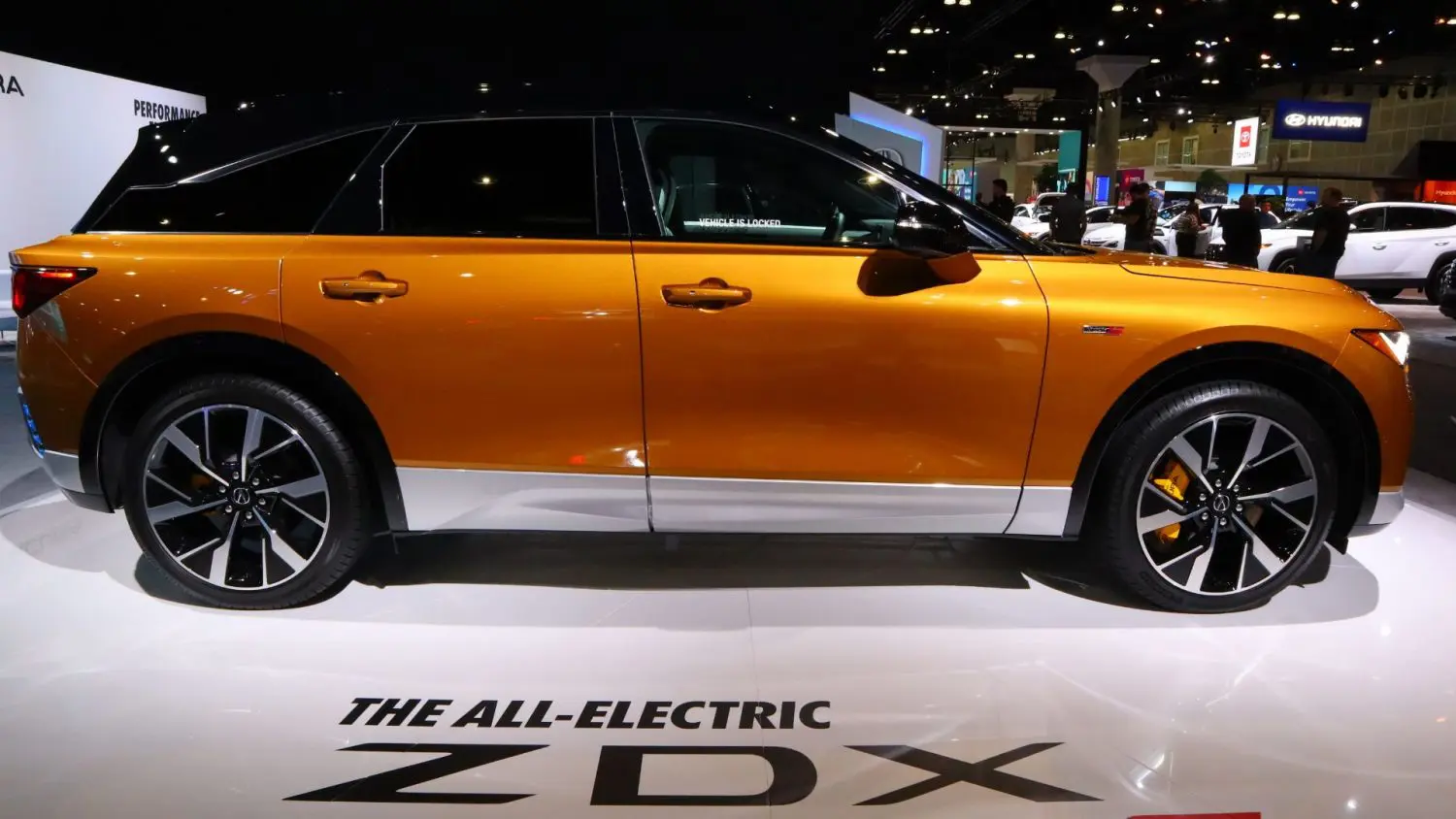
Fast forward to today, and EVs have brought with them a whole new definition of quick acceleration.
Tesla’s Model S Plaid dips just below the two seconds from zero to 60. BMW’s tech that underpins its latest Neue Klasse cars could see this next generation of fully electric M cars deliver as much as 1,340 bhp.
Mercedes, not to be outdone, recently unveiled the AMG GT XX concept, the production version of which arrives in showrooms a year from now. It also produces up to one megawatt of power and can accelerate to 124 mph in just five seconds.
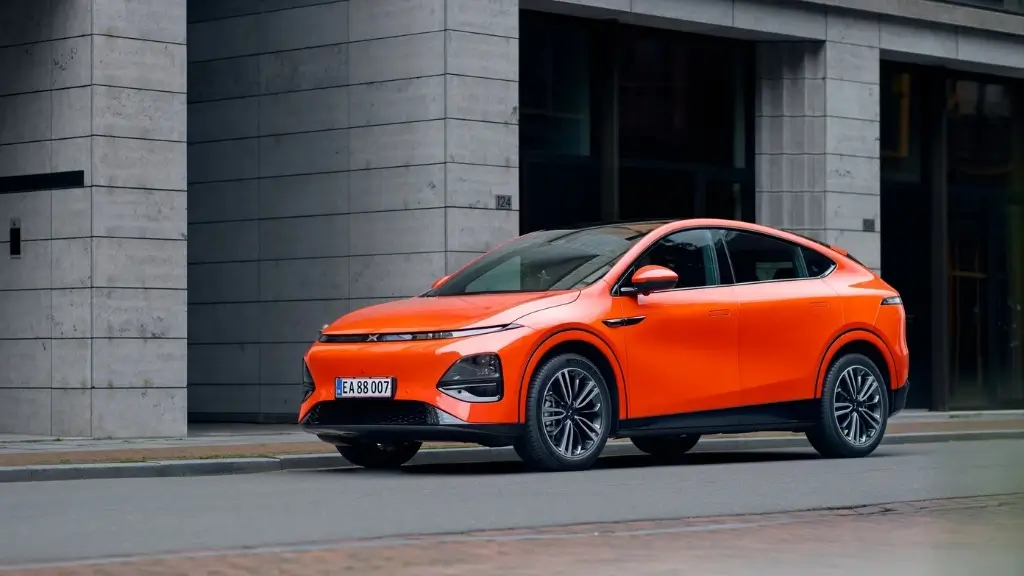
Volvo, a brand built on driving safety, has the EX30 Twin Motor Plus AWD. Now, the EX30 is marketed as an urban EV aimed “at a younger demographic” so they can “make it their first Volvo,” but the Twin Motor Plus AWD can rocket from standstill to 60 mph just shy of 3.5 seconds. That’s a full second faster than the Porsche 911 T and almost on par with the new Ferrari Amalfi.
All of this begs the question: who in their right mind wants to go that fast? In reality, it’s not actually that much fun going that quickly.
You might do it once, assuming you’re on a track or runway with a straight that’s long enough, just to experience it. But once will be enough. It turns out that the sensation of having your internal organs rearranged isn’t all that pleasant.
This hasn’t de-escalated an EV horsepower arms race, though. Buyers of electric cars came to them for their efficiency, software definition, and zero emissions at the tailpipe. Their makers, ever wise to a marketing opportunity, saw the potential in image-building high performance.
Obviously, not every EV is capable of warping to 62 mph in two seconds or less, but when cars such as the BMW iX and Polestar 3 can be had with dual motors and well north of 600 bhp, you’ve got to wonder. These aren’t supercars, nor are they meant to be. They’re quasi-SUV all-rounders, state-of-the-automotive-art circa 2025, with world-class interiors and connectivity.
And these horsepower wars continue. BYD’s luxury division, Yangwang, just launched their model U9 “track edition” with (hold your breath): 3,000 horsepower. This car just shattered the world record for the world’s fastest production car at 308 miles per hour.
Adding mind-boggling horsepower is great for straight-line acceleration. But also ensuring that EVs can do 300 miles or more on a single charge means a big battery, which in turn increases the weight. Which, despite an EV’s low center of gravity, has dramatic negative effects on both braking as well as handling in the corners.
Where does the EV horsepower arms race end? Seemingly, not anytime soon.
If and as we continue to squeeze more power into cars, I wonder if there will eventually be resistance to the safety of average passenger vehicles that can accelerate as quickly as exotic hypercars.
So, with that, let’s transition to Our Companies to Watch.
Every week, we highlight an interesting company in the automotive technology space to keep an eye on. If you read my weekly Intel Report, we showcase a company to watch, and we then take the opportunity here on this segment each week to share that company with you.
Today, our new company to watch is Sell My Ride.
Sell My Ride helps dealerships acquire more of the right cars – without auctions, middlemen, or inflated costs.
Sell My Ride works closely with the dealer customer to map out your acquisition targets, ideal vehicles, and monthly volume goals. You tell them what you want to buy—then they build the plan to get you there.
Sellers land on a custom-branded site that’s built to convert. Clean valuation journey. Zero distractions. All roads lead to your dealership.
Geo-targeted campaigns across Meta, Google, and Search Ads 360 drive real, motivated sellers exclusively to your page.
Leads arrive in your CRM with all the information you need to move fast. Run the deal in-house or let Sell My Ride’s call center team support your outreach.
You’ll work with a dedicated manager focused on helping you scale. Sell My Ride optimizes your funnel, scripts, and strategy each week to keep performance on track.
If you’d like to learn more about Sell My Ride, you can check them out at www.SellMyRide.com

So that’s it for this week’s Future of Automotive segment.
If you’re an AutoTech entrepreneur working on a solution that helps car dealerships, we want to hear from you. We are actively investing out of our DealerFund.
Don’t forget to check out my first book, “The Future of Automotive Retail,” and my new book, “The Future of Mobility”, both of which are available on Amazon.
Thanks (as always) for your ongoing support and for tuning into CBT News for this week’s Future of Automotive segment. We’ll see you next week!