TSLA448.6543.384%
GM78.9403.13%
F14.5150.945%
RIVN14.7250.455%
CYD50.410-0.61%
HMC25.6151.245%
TM190.6503.76%
CVNA69.705-0.195%
PAG170.9504.37%
LAD279.3506.13%
AN196.1255.015%
GPI337.3409.56%
ABG195.2602.41%
SAH78.3502.23%
TSLA448.6543.384%
GM78.9403.13%
F14.5150.945%
RIVN14.7250.455%
CYD50.410-0.61%
HMC25.6151.245%
TM190.6503.76%
CVNA69.705-0.195%
PAG170.9504.37%
LAD279.3506.13%
AN196.1255.015%
GPI337.3409.56%
ABG195.2602.41%
SAH78.3502.23%
TSLA448.6543.384%
GM78.9403.13%
F14.5150.945%
RIVN14.7250.455%
CYD50.410-0.61%
HMC25.6151.245%
TM190.6503.76%
CVNA69.705-0.195%
PAG170.9504.37%
LAD279.3506.13%
AN196.1255.015%
GPI337.3409.56%
ABG195.2602.41%
SAH78.3502.23%

Audi raises prices across 2026 lineup

Price increases vary from $800 to $4,100, as the automaker introduces a prepaid maintenance package.
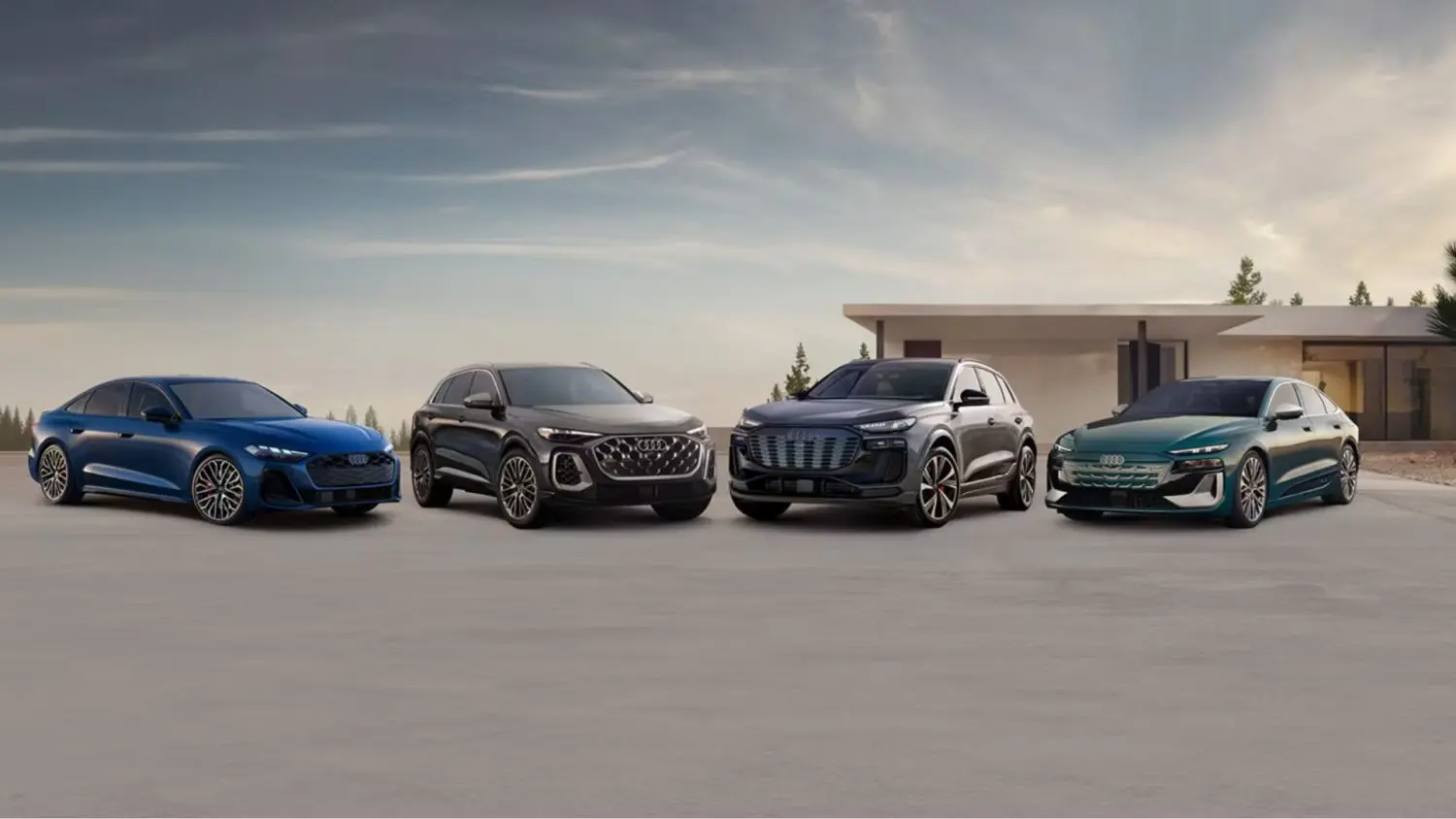
Audi has increased prices on most of its 2026 models, with hikes ranging from $800 to $4,100 depending on the vehicle.

Image Source | Audi Canada

On the Dash:

  1. Audi increased prices by $800 to $4,100 on most 2026 models, with the biggest jumps seen on higher-end trims like the RS 7 and A8.
  2. Buyers now get three years or 30,000 miles of prepaid maintenance, but the higher upfront costs generally outweigh the value.
  3. With long-term 15% tariffs locked in, Audi is passing more costs to customers, signaling a broader industry trend that could affect dealer pricing and buyer expectations.

Audi has increased prices on most of its 2026 models, with hikes ranging from $800 to $4,100 depending on the vehicle. The move comes as automakers adjust to new tariff structures and higher operating costs, though buyers will now receive three years or 30,000 miles of prepaid maintenance with each new purchase.

While the maintenance coverage provides some added value, analysts note that the cost of scheduled maintenance in the first three years is generally lower than the increases. The added perk does little to offset the broader cost hikes buyers will face in showrooms.

Sign up for CBT News’ daily newsletter and get the latest industry stories delivered straight to your inbox.

The pricing changes follow trade policies enacted earlier this year. In April, the White House raised tariffs on new cars and parts to 25%, up from 2.5%. Automakers initially absorbed the increases, with average new car prices rising just 1.5% year over year in July 2025. More recently, new long-term trade agreements locked tariff rates at 15% with much of the world, prompting manufacturers to begin passing the costs to consumers.

Audi released updated starting prices for several of its 2026 models, including:

  • A3 family: $41,395 (+$1,900)
  • A6 Allroad: $74,395 (+$2,600)
  • RS 7 performance: $133,995 (+$4,100)
  • A8 family: $96,395 (+$3,100)
  • Q4 e-tron: $51,895 (+$800)
  • Q7 family: $63,395 (+$1,600)
  • Q8 family: $76,895 (+$1,200)
  • e-tron GT: $128,995 (+$2,200)

Models not included in the release were the Q3, Q5, and Q6 e-tron SUVs, as well as the A6 sedan family.

The adjustments reflect a broader trend in the industry as automakers navigate tariffs, rising production costs, and shifting consumer expectations. For dealers, higher sticker prices may create challenges in a competitive luxury market, even with Audi’s attempt to add value through maintenance coverage.

Audi’s move underscores the lasting impact of U.S. trade policy on the automotive sector. As tariffs reshape pricing structures, other automakers are expected to follow, leaving dealers to balance affordability concerns with new incentives and features to attract buyers.


Read More
More from Articles
Why the military just called Detroit's Big Three automakers

Why the military just called Detroit’s Big Three automakers

- May 14, 2026
There’s a conversation happening behind closed doors in Washington that should make every American pay attention, and it has nothing to do with EV mandates or fuel economy targets. This...
Trump’s China visit raises new questions for U.S. automakers

Trump’s China visit raises new questions for U.S. automakers

- May 14, 2026
On the Dash: Dealers should expect continued uncertainty around EV sourcing, tariffs, and future U.S.-China trade policy. National security concerns surrounding connected vehicles could reshape future technology standards and inventory...
Honda posts first annual loss as EV strategy reset triggers $10B writedown

Honda posts first annual loss as EV strategy reset triggers $10B writedown

- May 14, 2026
On the Dash: Honda’s renewed focus on hybrids could boost showroom demand as consumers continue to favor practical electrified options. Slower EV adoption is forcing automakers to prioritize profitability and...
More shoppers considering EVs, price and charging availability still driving many away

More shoppers considering EVs, price and charging availability still driving many away

- May 14, 2026
On the Dash: Gas prices pushed EV consideration higher in April, 26% now "very likely" to consider an EV Purchase price is the most frequent objection, followed by range and...
CBT News
Privacy Overview

This website uses cookies so that we can provide you with the best user experience possible. Cookie information is stored in your browser and performs functions such as recognising you when you return to our website and helping our team to understand which sections of the website you find most interesting and useful.