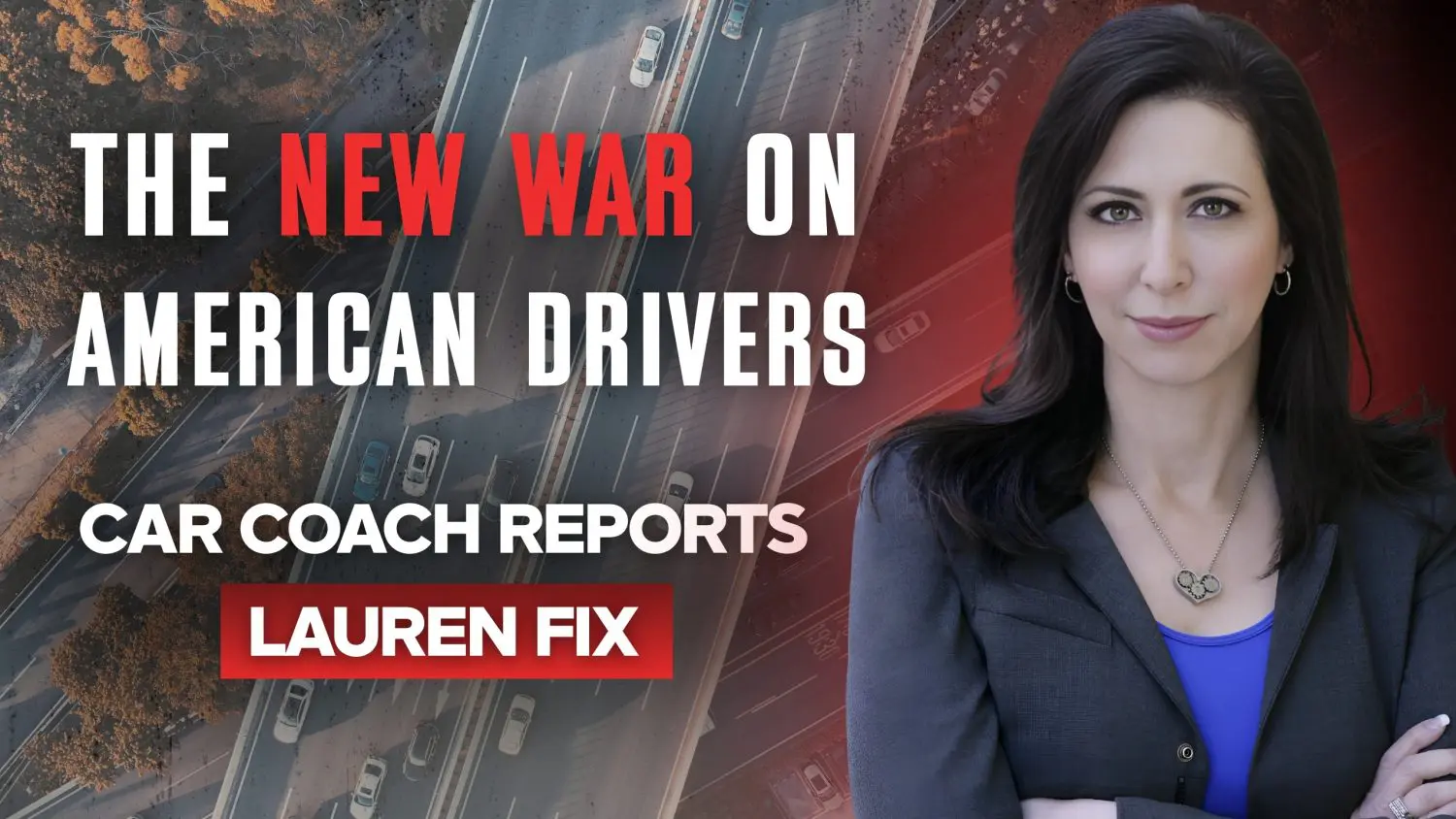
Massachusetts is quietly pushing a bill that could fundamentally change how Americans are allowed to use their vehicles. Senate Bill S.2246, introduced by Senate Majority Leader Cynthia Creem, sets the stage for a future where the government tracks and potentially limits how many miles you drive each year. This isn’t a fringe proposal — it’s working its way through the legislature right now, and similar ideas are being tested in other states across the country.
At its core, this is not about transportation or emissions. It’s about power and control.
What’s in the bill?
The Massachusetts legislation proposes the creation of a new government entity that would track vehicle miles traveled (VMT) and implement policies to reduce them over time. While the bill doesn’t yet impose mileage caps, it does instruct state agencies to create a “reasonable pathway” to cut how much people drive annually.
Translation: a government-mandated limit on personal travel is no longer hypothetical — it’s being drafted right now.
Bill S.2246 also outlines coordination with automakers and the use of vehicle inspection data to monitor individual mileage. It even suggests changes to urban planning, encouraging development of walkable neighborhoods and fewer parking options, all with the goal of getting you out of your car — whether you want to or not.
This bill didn’t come out of nowhere. It’s modeled on similar policies in places like Colorado and Minnesota, where pilot programs are already testing new ways to tax drivers based on how far they travel.
A national trend: The new war on drivers
While Massachusetts leads this particular charge, it’s far from alone. A number of states are exploring ways to replace traditional gas taxes with per-mile taxes. They claim it’s about addressing the rise of electric vehicles and declining fuel tax revenue. But behind that talking point is a broader plan to monitor and manage how people use their personal vehicles.
States to watch include:
- Minnesota: Testing mileage-based taxes and creating policies to “reduce vehicle use.”
- Colorado: Committed to reducing VMT through state-level planning.
- Oregon: A pioneer in per-mile taxation with the OReGO program.
- New York and New Jersey: Both states are implementing congestion pricing in urban zones — a foot in the door for broader travel-based taxation.
- California and Washington: Actively developing road usage charges and congestion pricing models. Their Vehicle Miles Traveled (VMT) tax is well into the planning stages.
What begins as a pilot project often becomes law — slowly, quietly, and without voter input.
The real issue: Control over your movement
Supporters say these measures are about managing traffic or protecting the environment. But let’s be honest: this is about expanding state authority into private life.
It’s not just taxation. It’s surveillance. If a government agency has the authority to track your mileage, it has the authority to restrict it. Combine that with modern vehicles equipped with GPS, connected services, and remote data-sharing, and we’re talking about a future where the state doesn’t just monitor your driving — it can penalize it.
Don’t want to pay a mileage tax? Don’t drive. Need to commute to a job 40 miles away? That’s your problem. Visit family out of state too often? Expect to pay a premium. This is a direct attack on working Americans, rural residents, and anyone who depends on their vehicle for daily life.
It’s no coincidence that many of these policies target personal liberty while funneling more money into government-approved programs — public transit, bike lanes, and urban planning initiatives that don’t serve the vast majority of residents.
A tax by another name
What’s being proposed isn’t a substitute for the gas tax. It’s an additional layer of taxation — one that disproportionately affects low-income Americans, small business owners, and people who live outside city centers. People who can’t hop on a bus or ride a bike to work will end up paying the most.
It also opens the door to data collection on a scale we’ve never seen before. Once the government starts tracking your mileage, what’s next? Will your insurance rates be tied to state mileage thresholds? Will “excessive driving” be taxed as a form of non-compliance?
This isn’t just about transportation policy. It’s about liberty.
What’s really happening here?
We’ve seen this approach before — quietly introduce “pilot” programs, sell them as innovative or necessary, and then expand them into mandates. It’s the same strategy used with toll lanes, emissions testing, and now digital IDs and connected vehicles.
Massachusetts’ bill is especially troubling because the state has a reputation for pushing back on centralized control. It was one of the first states to pass a Right-to-Repair law and strengthen data privacy for consumers. But even in that context, this legislation is moving forward — slowly, with little attention, and under the radar of most residents.
The goal is simple: shift transportation from a private activity to a regulated service. If that doesn’t concern you, it should.
What can you do?
Freedom of movement is a basic American right. If lawmakers are going to put a price tag on it — or worse, limit it — then every citizen should be aware and vocal.
Now is the time to contact your legislators and let them know you oppose mileage tracking and per-mile taxation.
Many of these programs are pushed by consulting firms and vendors who profit from tracking infrastructure. As I always say, follow the money.
This isn’t a partisan issue — it’s a freedom issue. And once government control over your mobility is normalized, it won’t stop at driving. The same logic can be applied to where you shop, when you travel, or how often you leave your home.
What’s happening in Massachusetts is a test case. If this legislation moves forward, expect a wave of similar bills in other states — all claiming to modernize transportation while actually expanding government power over your everyday life.
Personal vehicles represent more than just transportation. They’re a symbol of independence, flexibility, and the freedom to move as you choose. That freedom is under attack — not with a bang, but with quiet legislation buried in statehouse committees.
Watch closely. Push back early. Because once this kind of control is codified into law, it doesn’t go away easily. We need to get in front of these laws before its too late.
Check out my full commentary on this story: http://youtu.be/gnTywXmcASY
Looking for more automotive news? https://www.CarCoachReports.com
Listen to The Drive Car Show – https://www.youtube.com/@thedrivecarshow