On the Dash:
- Waymo is strategically expanding its robotaxi service into cities with harsher winter conditions to improve autonomous vehicle performance year-round.
- The company faces regulatory, logistical, and labor challenges in urban areas like Boston, which may delay full commercial launches.
- Testing in multiple climates and cities reflects Waymo’s efforts to adapt autonomous technology for more complex and varied real-world environments, signaling long-term plans for broader U.S. deployment.
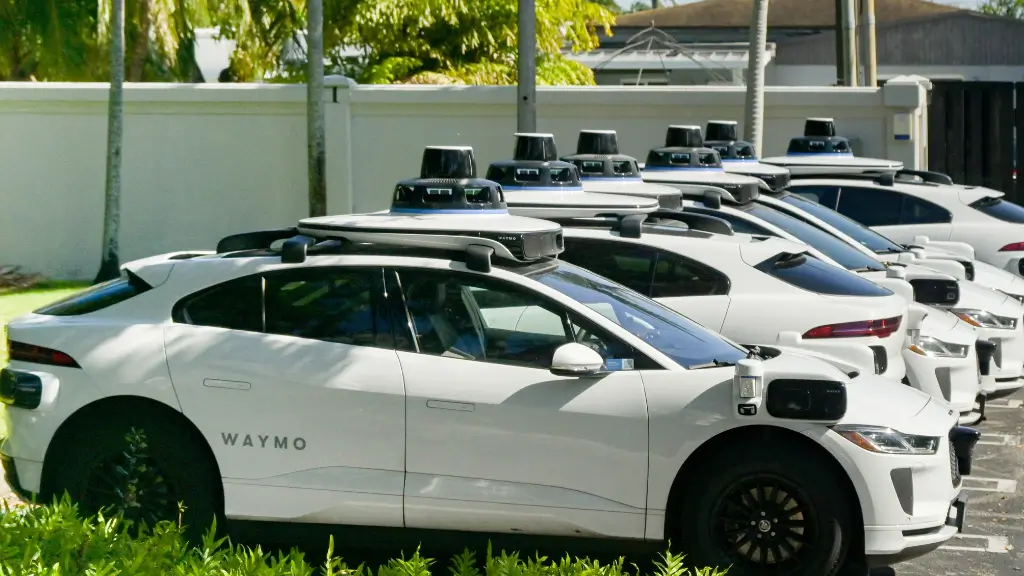
Waymo plans to bring its robotaxi service to Washington, D.C., next year while testing autonomous operations with safety drivers in Boston, New York City, and Philadelphia, marking a massive shift from its previous focus on cities with milder weather, such as Atlanta, Los Angeles, Phoenix, San Francisco, and Austin, Texas. The expansion will allow the company to evaluate how its autonomous vehicles handle snow, ice, and low-light winter conditions.
Ethan Teicher, a spokesperson for Waymo, stated that the company is “making great progress” in developing the ability to drive safely in winter weather. Experts emphasize that the Northeast presents unique challenges for self-driving cars, assessing that having data from all four seasons is essential before carrying paid riders.
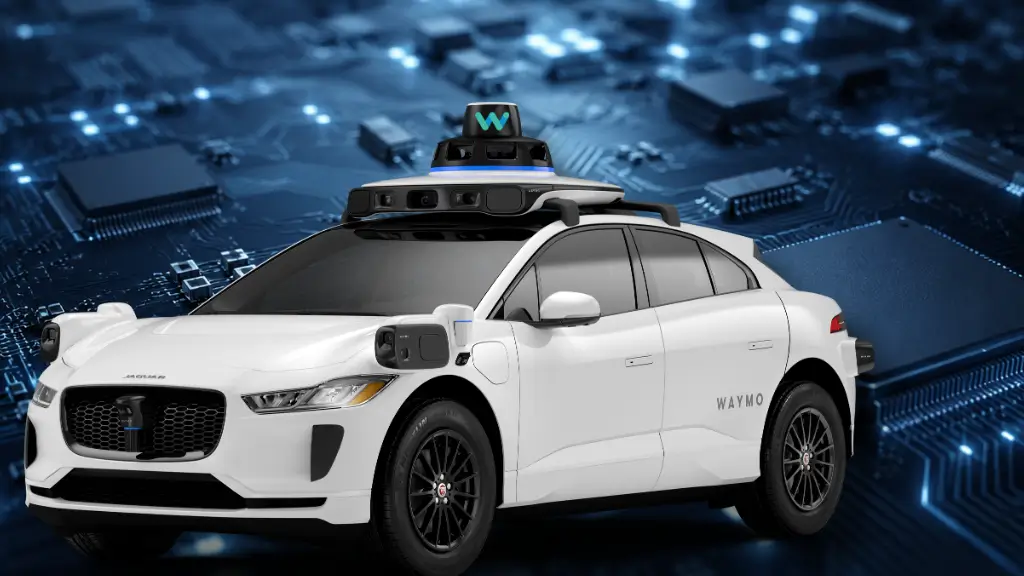
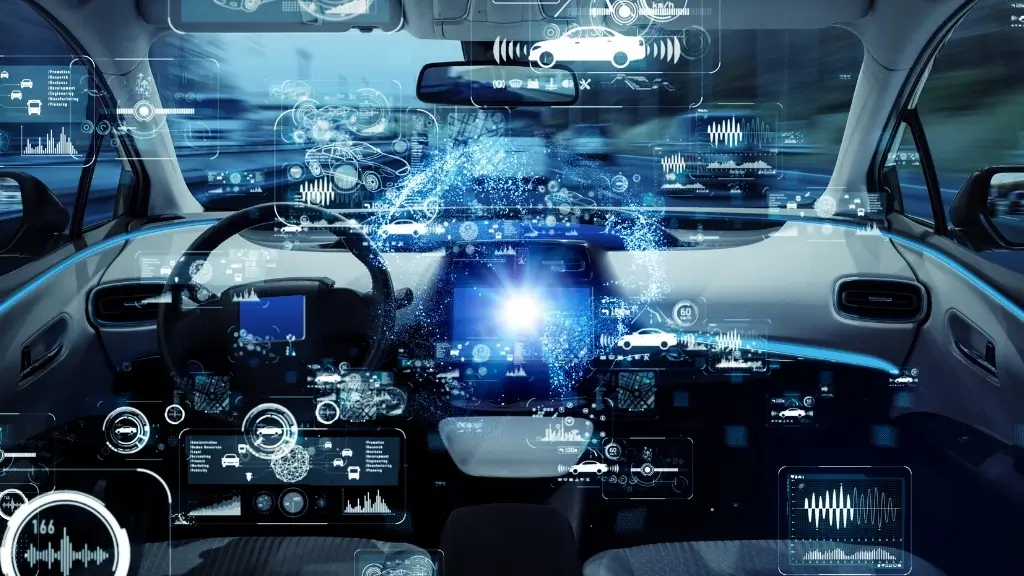
Waymo’s autonomous vehicles rely on cameras, radar, and lidar, combined with AI and machine learning, to perceive the environment, predict road user behavior, and navigate in real time. Vehicles first map the areas they plan to serve, allowing at least one sensor stream to operate in various weather conditions. The company’s next-generation architecture aims to push the “cutting-edge capabilities and boundaries of AI even further,” according to a Waymo document dated October 31, 2024.
However, Waymo began testing in Boston in May and June, facing pushback from local officials. Boston City Council and Mayor Michelle Wu’s administration expressed concerns about narrow streets, high pedestrian and cyclist traffic, snow, ice, and potential interference with emergency vehicles. Teamsters Local 25 also opposed the expansion, citing possible job losses. Matthew Walsh, Waymo’s regional head for state and local policy, confirmed that “Waymo has no official plans at this time for a commercial launch in Boston.”
Testing also continues in New York City and Philadelphia, where human drivers are required by state law, and in upstate New York, Michigan, and Truckee, California, where the company evaluated operations under snowy conditions last winter. Waymo plans to expand service to Dallas, Texas, next year, where winters can include freezing temperatures, sleet, and snow.
Autonomous vehicle experts caution that challenging winter conditions, black ice, low sun angles, snowdrifts, and high winds pose unique obstacles for systems using multiple sensors, as data comparison can delay reaction times.
Waymo’s robotaxi expansion reflects ongoing efforts to adapt autonomous technology to more diverse climates and complex urban environments, though full commercial operations in Northeast cities may still be months away.