President Trump signed an executive order in January aimed at accelerating AI development. Some believe that this will open doors to exponential growth, while others are concerned about the breakneck pace of the change without adequate guardrails. In today’s episode of CBT Now, Lauren Fix, automotive expert and founder of Car Coach Reports, shares her perspective and how it could impact the automotive industry.
Executive Order 14179, called “Removing Barriers to American Leadership in Artificial Intelligence,” revokes previous directives from the Biden administration to accelerate innovation and support building the necessary infrastructure to push America to the forefront of the AI race. Fix explains that while removing the barriers will accelerate the speed at which AI can be developed, the heart of the issue is that there aren’t any comprehensive federally established regulations.
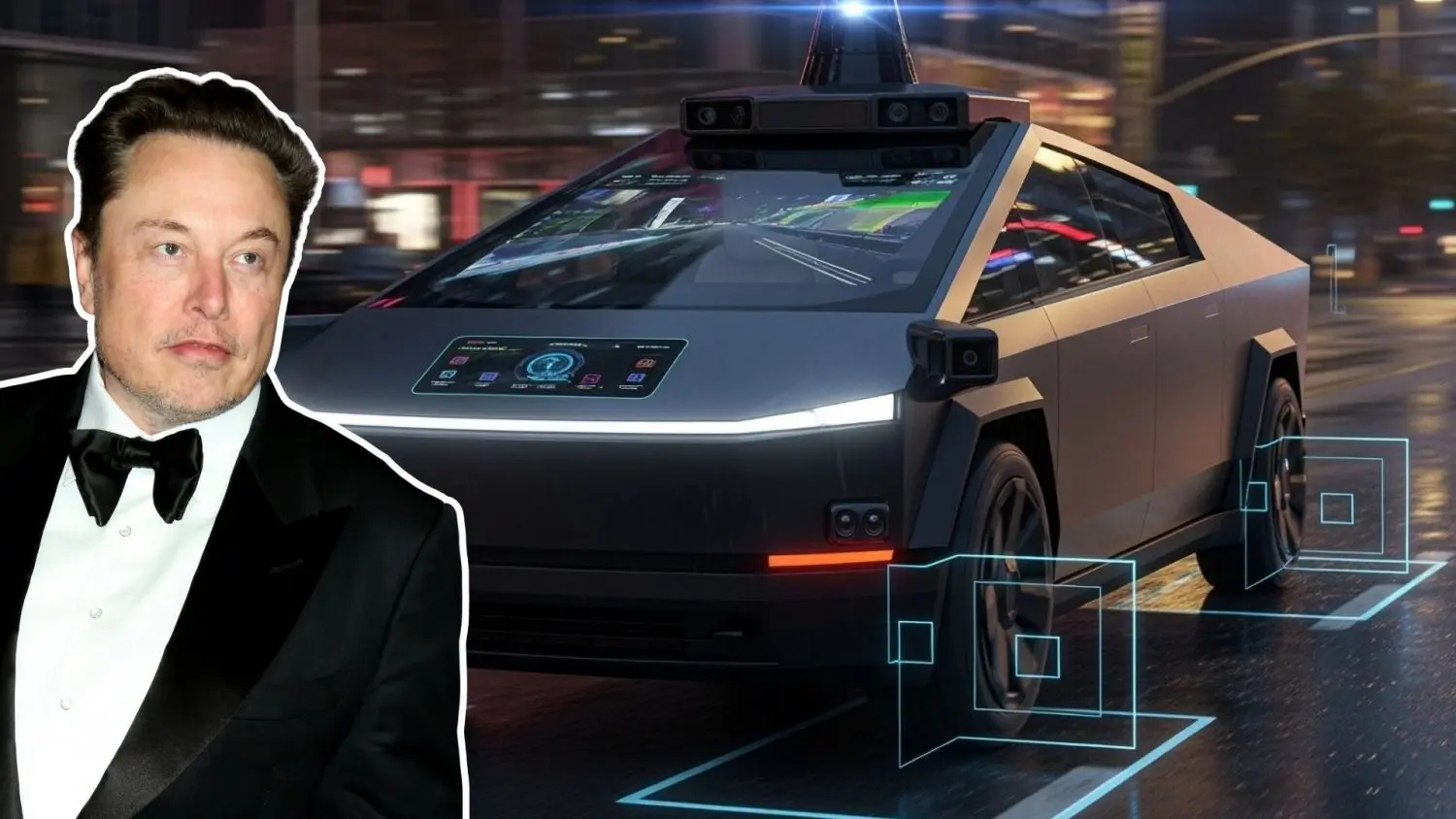
Autonomous vehicles and artificial intelligence go hand in hand, but there are significant limitations. While AI can operate a car, it can’t account for the everyday nuances that a human driver sees, such as a pileup on the road, emergency vehicles requiring lane changes or temporary construction that hasn’t been reported. AI may struggle to adapt to weather conditions such as sandstorms, heavy rain or snow.
Fix recounts her experience taking a robotaxi ride in San Francisco. Initially, the trip was smooth, but it became complicated when it started raining. The vehicle pulled over, activated its emergency lights and displayed a message indicating that a human Uber driver would arrive to take over. While the experience was safe, it highlights that current AI systems cannot yet handle unpredictable real-world conditions independently.
Liability and insurance present another challenge. If a robotaxi is involved in an accident, determining fault is complicated. It could affect the passenger, the manufacturer, the software provider or even third-party services. This ambiguity creates headaches for insurance companies and reinsurers.
Security concerns are also a pressing issue. Hackers have already targeted vehicles such as Teslas and Jeeps, and the vulnerabilities extend to connected devices such as smartphones linked to the vehicle. Fix says that there needs to be more robust cybersecurity measures before autonomous robotaxis can become mainstream.
"Unless every single vehicle on the road is autonomous, that's the only way it's gonna work. Even if you started the transition today, 20, 30 years from now, you're still going to have cars on the road that people are driving, and people make mistakes and so computers."
While robotaxis offer some advantages, such as mobility solutions for those who may not be able to drive, they’re still not developed enough to operate fully autonomously.
The Society of Automotive Engineers has redefined automation levels, moving from five levels to six, to categorize better what vehicles can do. Most brands are still at Level 2, which includes partial automation features like lane-keeping and adaptive cruise control. Only a few, like Mercedes-Benz, are testing Level 3 automation, where the vehicle can handle more complex scenarios. Still, full Level 5 autonomous driving remains experimental and primarily confined to controlled environments like campuses or test tracks.
Fix concludes that the industry should focus on improving driver safety and fostering human expertise on the road while using AI as a supportive tool, not a replacement.