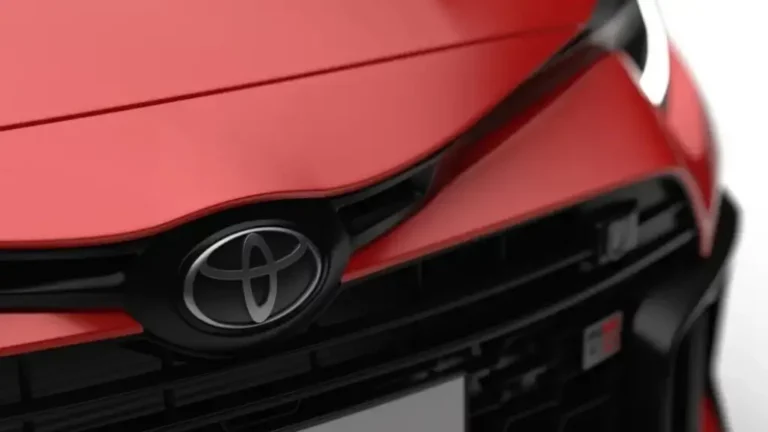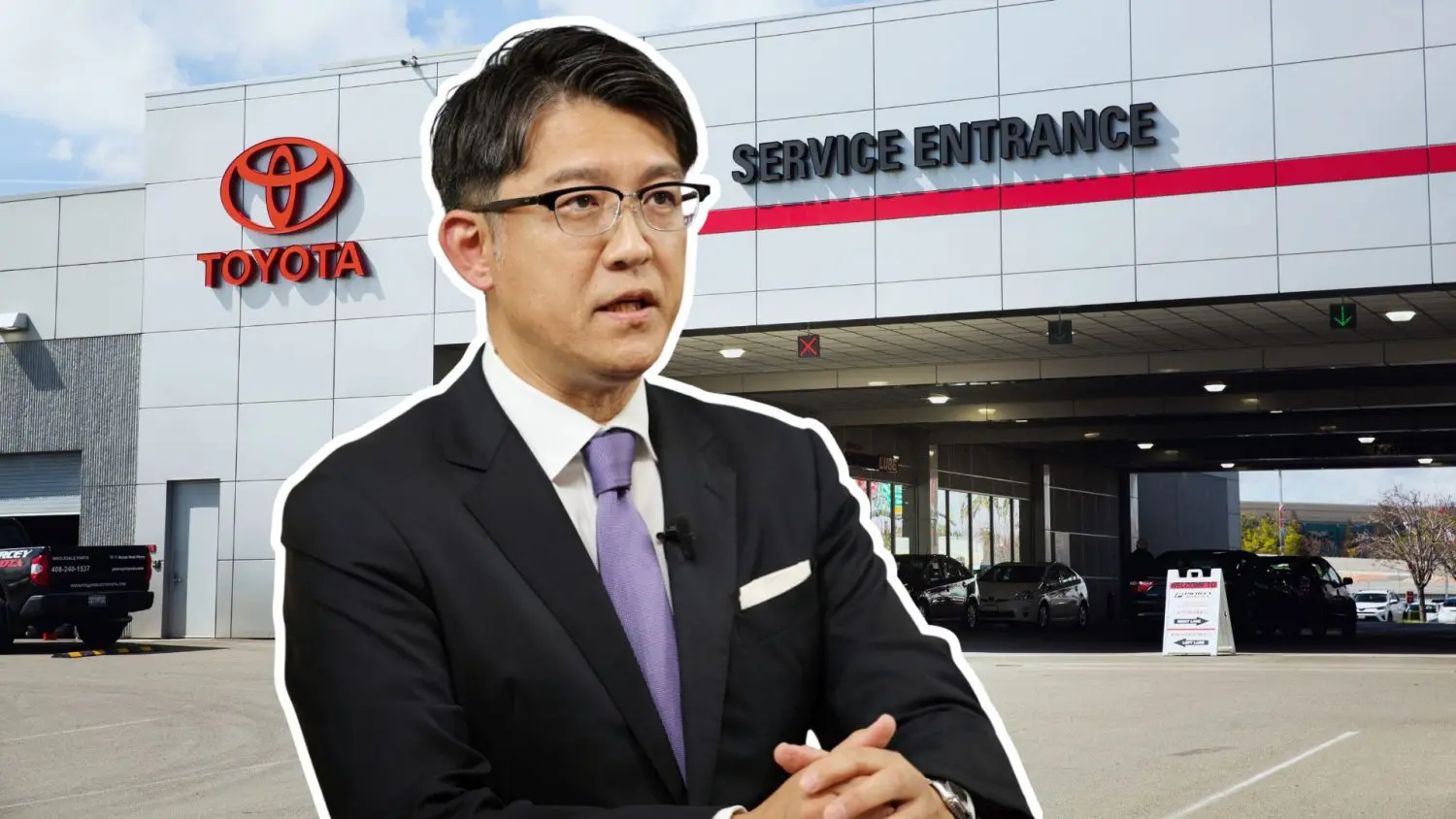
Toyota has expressed optimism following the announcement of a new trade agreement between the United States and Japan, applauding the inclusion of the automotive sector and calling for further reductions in tariffs.
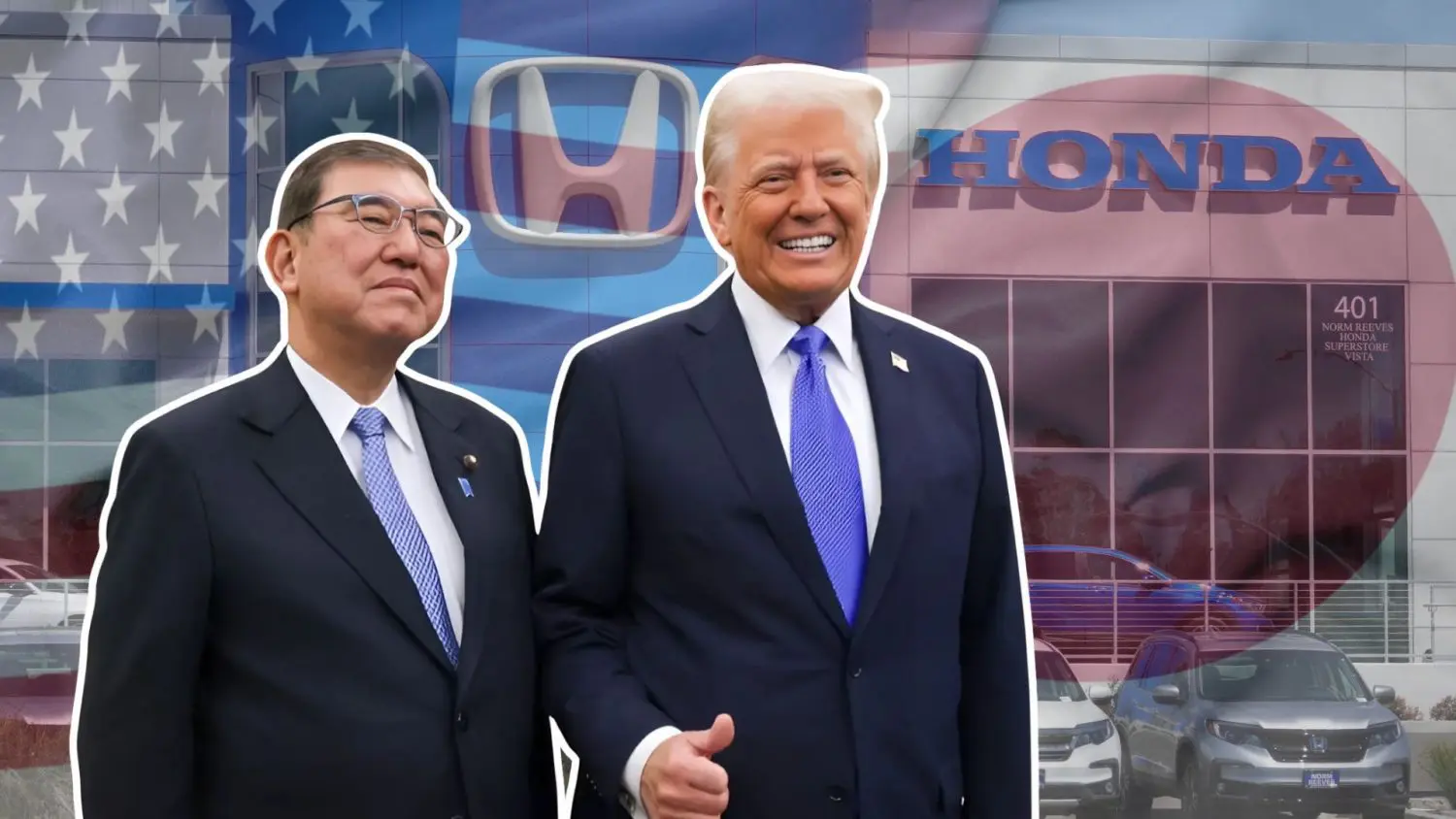
The automaker anticipated a potential $1.2 billion impact from a 25% tariff on vehicle and parts imports to the U.S., which was reduced to 15% on Wednesday. After President Trump announced the agreement, Toyota released a statement, noting that the change is expected to significantly ease pressure on Japan’s auto exports. Noteably, the deal also reflects broader industry concerns about trade barriers, with Toyota highlighting its contribution to the U.S. economy through $60 billion in investments and the creation of 2.3 million jobs.
Here’s why it matters:
Lower tariffs on Japanese vehicles and parts could help stabilize pricing, improve vehicle supply chains, and ease cost burdens for dealers who sell Japanese brands in the U.S. This policy shift also signals a more favorable trade environment that could encourage further investment and model availability from Japanese OEMs. For dealers, this could mean faster inventory turnover and stronger demand for new and used imports.
Key takeaways:
- Tariff reduction provides relief
The trade deal lowers tariffs on Japanese vehicles and auto parts from 25% to 15%, reducing pressure on automakers and dealers. - Toyota seeks more concessions
Despite the relief, Toyota is urging for further tariff reductions to enhance open and fair trade across the automotive sector. - Toyota averts $1.2 billion hit:
The company had been bracing for a ¥180 billion ($1.2 billion) loss under previous tariff rates, which have now been eased. - Industry impact still large
Even at 15%, Goldman Sachs estimates a ¥1.9 trillion ($12 billion+) gross industry impact, although this is less than earlier forecasts. - Japanese investment in U.S. emphasized
Japan’s car industry contributes $60 billion in U.S. investments and supports 2.3 million American jobs, reinforcing its significance in U.S. auto retail and manufacturing.