
The U.S. auto industry is on the brink of another major inflection point. For dealer principals paying attention, the signals are clear: we are moving into a period of structural change: Tariffs, rising operational costs, and evolving consumer preferences are converging to reshape automotive retail, once again. Here’s the uncomfortable truth: the question is no longer whether these forces will affect your dealership. It’s how, how much, and how soon.
The past few years have delivered record profits, thanks to tight supply and strong demand. But that wave is receding. Inventories are normalizing, margin pressure is building, and operational costs keep climbing. Add in the effects of new tariffs, and it’s clear: valuations are under pressure, and the buy-sell market is tightening.
That said, opportunity still exists. If your store is operating profitably, is well-staffed, and has the right brand mix and local market dynamics, you will still attract serious buyers – and there are quite a few of them – but they are being more selective.
Perception vs. Reality: Control the controllables
A dealership’s performance, and its resulting valuation, is shaped by two distinct categories of factors: those within the dealers’ control, and those beyond their control:
- Internal levers: staffing, operations, variable or fixed revenue and profit streams, management teams.
- External forces: market trends, economic headwinds, and political policy, like tariffs, interest rates, and global supply chains.
The former are manageable; the latter aren’t. Savvy principals know the best defense is a full-scale, internal performance evaluation, optimizing what can be controlled to offset what can’t. Conversely, external macroeconomic and political forces, which the dealer cannot control, continue to shape overall business conditions and, in turn, influence dealership valuations.
Current valuations are still strong, but the buy-sell market is losing momentum
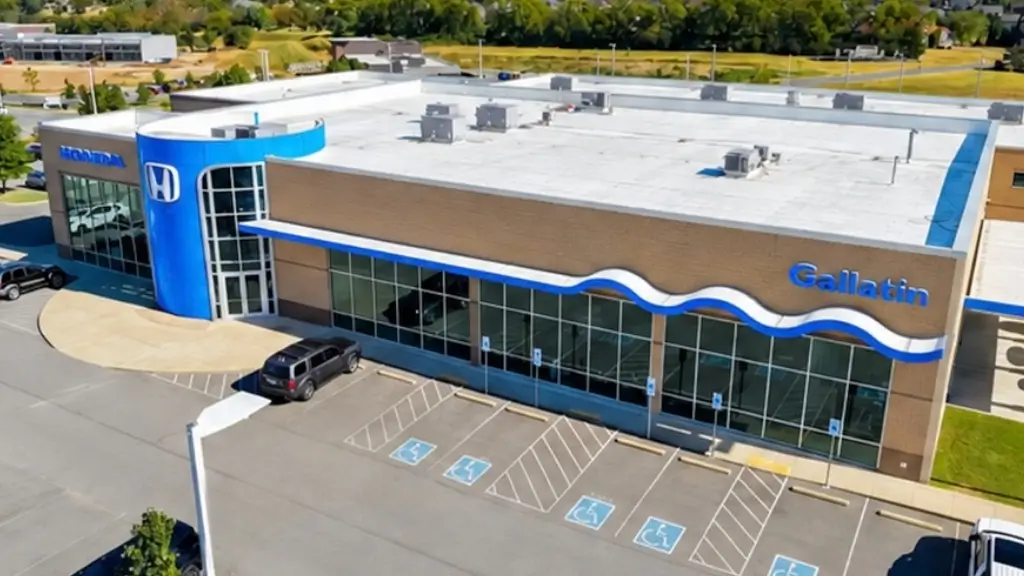
In recent years, dealer groups and private equity firms have paid record multiples for top-performing dealerships. However, as market dynamics have shifted, the buy-sell market has cooled considerably, with a notable year-over-year decline in dealership transactions between Q1 2024 and Q1 2025.
Dealer profitability has dropped markedly in the past 2 years compared to the 2021-2022 COVID-19 period, which produced record dealer profits. We now see the effect in valuations, and dealers have a difficult time coming to terms with that in general.
Dealers whose P&L’s show year-over-year declines must modify their expectations accordingly. What’s more, dealers looking to exit in the near term may face increased headwinds as margins come under pressure and further scrutiny. Inventory levels are gradually normalizing, interest rates remain elevated, and buyers are becoming more selective in the face of mounting market uncertainty.
Tariffs are rewriting the industry playbook: EV incentive roll-off meets incoming import duties
First, a significant opportunity is closing: It was announced last week that the $7,500 EV tax credit expires at the end of this quarter. The natural result? Dealers are now aggressively pushing EV leases – especially in luxury and subcompact segments. The window of opportunity is real but closing quickly.
At the same time, President Donald Trump has announced new tariffs on imports from Canada, Mexico, and the EU, scheduled to take effect on August 1st. While negotiations are ongoing, it appears increasingly likely that these tariffs will be finalized at significantly higher levels – with EU vehicles facing added duties on top of the existing 27.5% auto tariff. This development is already creating ripple effects across new vehicle pricing, parts costs, and overall manufacturing economics. Even U.S.-assembled vehicles are affected, as their supply chains depend heavily on imported components.
Consumers are hard pressed
For consumers, the impact will be stark. A modestly priced imported vehicle may now carry a $2,000 to $10,000 premium. Per Cox Automotive/Moody’s, the average monthly payment for a new car was $756 in May 2025 and a whopping 22% of new car buyers now agree to 84-month payment terms (7 years!), which is unprecedented. While consumers may be price shoppers, it’s more important to keep in mind they have become payment buyers. Considering the customer lifecycle and longer finance periods, dealers will have to work harder to retain the same sales volume in unit count. A lower sales volume has a resulting effect on profitability, as a certain percentage of OEM back-end bonus monies are generally tied to sales volume.
Tariffs sting both import and domestic brands
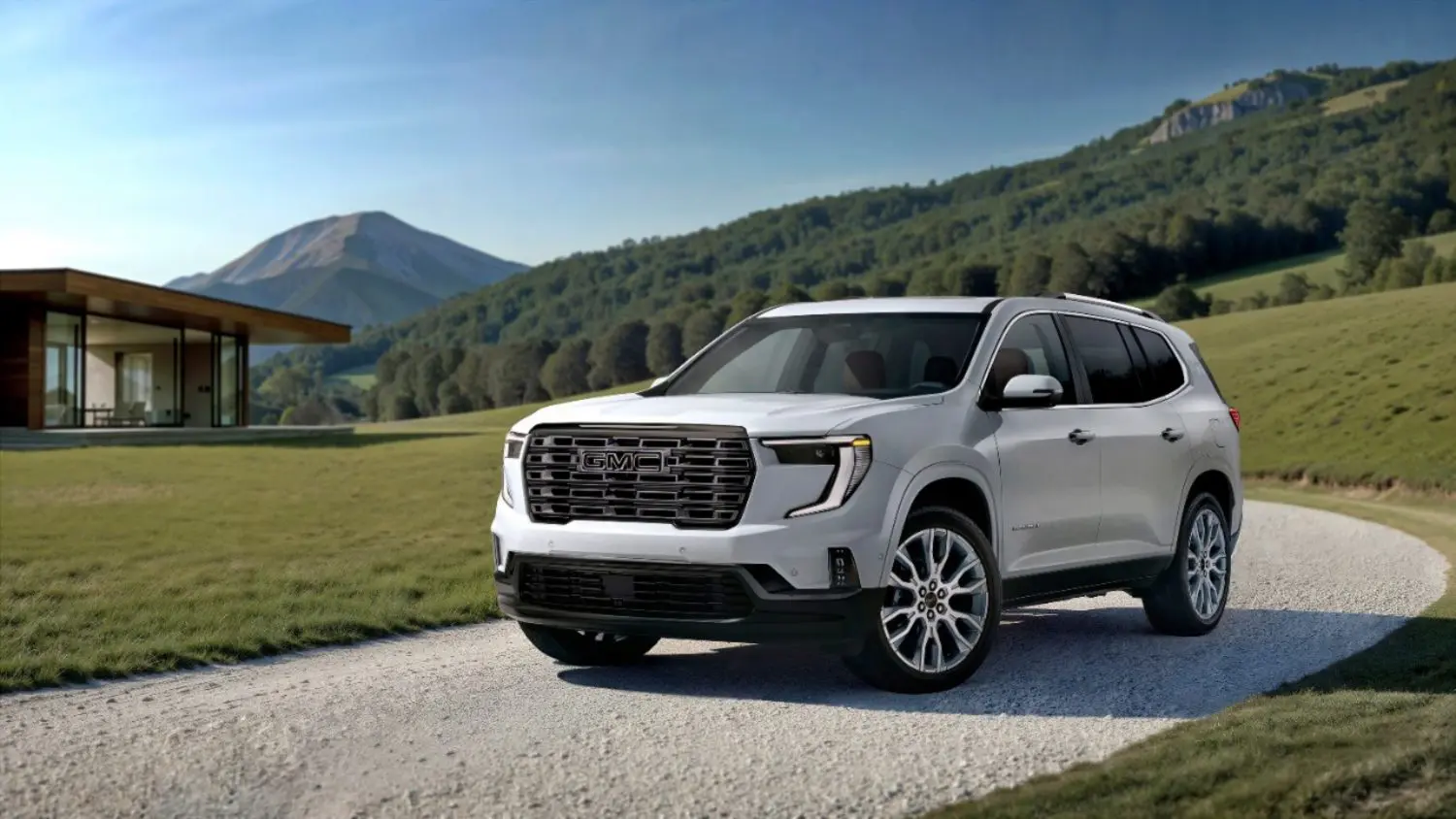
Import brands are hemorrhaging. Models like Buick’s South Korea – and China-built Envision now carry duties up to 47.5%. Audi, VW, and Bentley have paused U.S. shipments, reducing available inventory and leaving dealerships with fewer showroom choices.
Domestic OEMs aren’t untouched. Ford and GM estimate fiscal hits of $2–$5 billion from these trade policies. Though they’ve deployed rebate programs, including Ford’s “Family Pricing” aimed at all consumers, to soften the blow, upper-level cost curves always filter down. Expect less OEM support, tighter margins, and higher required seller concessions.
Parts costs are heading skyward
Tariffs on steel, aluminum, and auto components across the board mean even fixed-ops – generally a go-to margin bedrock – will be affected. Parts’ costs are rising fast, threatening profitability in parts’ sales, repair service work, warranty, and accessory revenue streams. With service work becoming more expensive, factory authorized dealerships will have to put additional efforts into service customer retention.
Why now may be a great moment to act
Dealers considering a sale within the next 12 to 36 months should evaluate whether now is the right time to move. As earnings come under pressure from rising costs and new tariffs, valuations are starting to reflect greater uncertainty around future profitability. As mentioned, buyers are already adjusting their expectations accordingly.
Our market intelligence shows that well-capitalized dealer groups that refocused on efficiency in 2024 are ready to accelerate acquisitions – but they are demanding performance and readiness. Ill-prepared sellers risk locking out of peak valuations.
What to do next—strategically
- Value your business now: Transaction comps are still attractive but will likely not stay that way.
- Stress-test your P&L: Even healthy numbers won’t mask cost pressures for long.
- Audit your inventory: Heavy import exposure? High EV risk? Now’s the time for recalibration.
- Reinforce fixed-ops: Prioritizing parts’ sales and increasing efficiencies in the service department are important when the sales department experiences a drop in sales volume and margin compression. Neglecting service profitability could undercut total valuation.
- Control controllables: Leadership, staffing, culture, and expense discipline make all the difference.
Looking ahead: Succession and expansion
Moving isn’t just for those exiting. Today’s uncertainty makes succession planning more vital than ever. Whether you’re considering generational handoff, a philanthropic pivot, or simply scaling next-level growth, developing a roadmap will shield you from being forced into reactive choices.
On the flip side, buyers willing to move now can still secure assets on favorable terms, but only with expert guidance in brand risk, debt financing, and integration strategy.
Choose timing over hype
Retail magnitudes ebb and flow – and the next downturn will likely ripple fast. Dealer principals who strike now will position their businesses for maximum return, and operational resilience, while avoiding being caught in the next cycle.
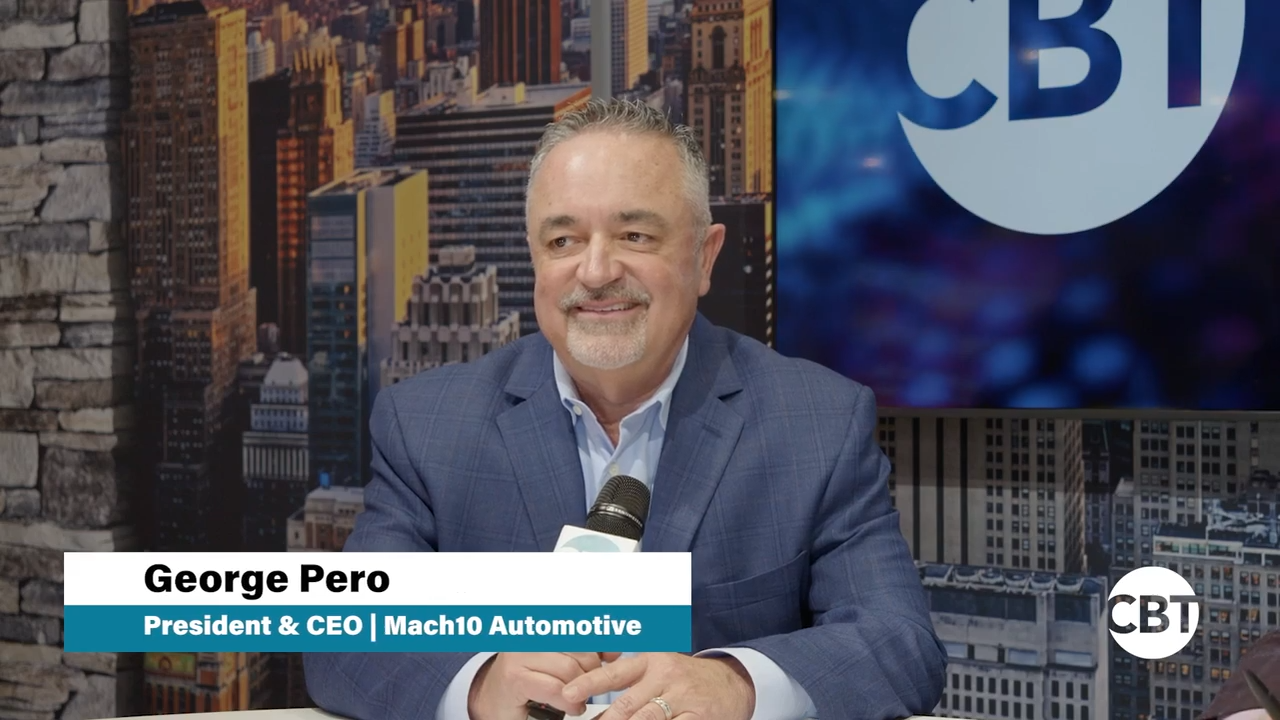
At Mach10 Automotive, we’ve made a business of steering that journey, helping owners perform valuation assessments, accelerate profitability through performance optimization, and structure exits, succession plans, or acquisitions.
The opportunity is real. But it’s dwindling, and unlike money, you cannot print more time.
The key question is: Are you ready to lead – and control – your next move?
Want to go Mach10? Request a consultation.