California regulators say they’re trying to save drivers money.
That’s the sales pitch behind the state’s proposed Replacement Tire Efficiency Program, a regulation that would establish energy-efficiency standards for replacement tires sold for passenger vehicles and light-duty trucks. State officials claim the program will reduce fuel consumption, lower emissions, and save drivers money at the pump. On paper, it sounds reasonable. Who wouldn’t want lower fuel costs and cleaner air?
But the question nobody seems to be asking is this: Why does Sacramento believe it should decide which tires Americans are allowed to buy in the first place? This may sound like a California only project, but I promise the usual suspects will follow; New York, New Jersey, Illinois, Massachusetts and others will follow.
That’s where this story gets interesting.
Supporters of the proposal frame replacement tires as a problem that needs government intervention. California argues that many replacement tires are less energy efficient than the original equipment tires that came on a vehicle, causing drivers to spend more on fuel. Regulators claim consumers are leaving money on the table because they aren’t choosing the most efficient tires available.
There’s just one problem with that argument. That’s not how the real world works.
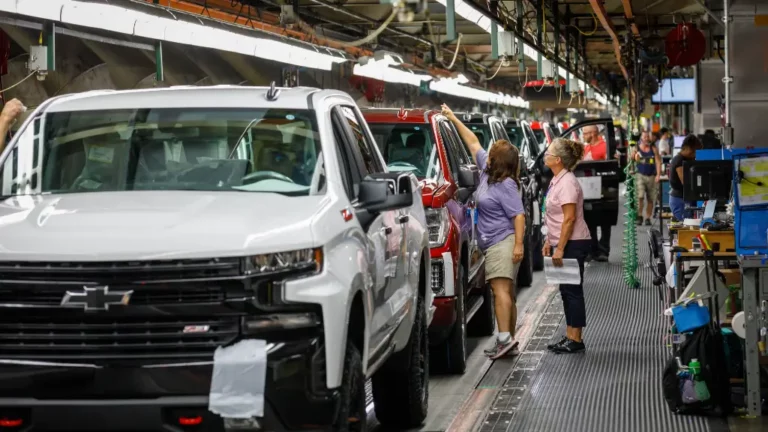
The first assumption regulators make is that the tire that came on your vehicle from the factory was somehow the best tire available. Anyone who has spent time in the automotive industry knows that’s simply not true.
Automakers don’t choose tires based solely on fuel economy. They never have.
Vehicle manufacturers work with tire companies years before a vehicle reaches production. Tire selection is a compromise between cost, supplier relationships, ride quality, handling, noise levels, durability, availability, production requirements, fuel-economy targets, and corporate business agreements. Sometimes the factory tire is excellent. Sometimes it’s merely adequate. Sometimes it’s chosen because it helped the manufacturer hit a cost target.
Consumers discover this every day. That’s why the replacement tire market exists.
The entire purpose of the replacement market is to allow drivers to improve upon the compromises built into the original equipment tire. Some consumers want a quieter ride. Others want longer tread life. Some want better snow traction. Others want improved handling or better wet-weather performance. Many simply want a more affordable option than the tire originally installed at the factory.
California’s proposal treats those choices as secondary considerations.
Fuel efficiency becomes the primary objective according to California regulators. The state argues consumers will save money over the life of the tire. Maybe some will. Maybe some won’t. The problem is that regulators are assuming fuel economy is the most important factor for every driver.
It isn’t.
Ask anyone who lives in a snowy climate whether they care more about winter traction or getting home safely during a storm than fuel economy.
Ask a family shopping on a tight budget whether they care more about saving a few dollars on fuel over several years or paying hundreds more upfront for replacement tires. Some brands offer long life tires that will save families money.
Ask a performance-car owner who wants to go to a high performance driving school at a track, whether they bought a Mustang, Corvette, or Porsche because they wanted maximum fuel efficiency.
The answer is obvious. No is that answer.
Consumers have different priorities because consumers have different lives.
That’s why this debate isn’t really about tires. It’s about who gets to make decisions. Who’s getting paid out not to switch brands or types of tires?
The state believes regulators should determine which tradeoffs are acceptable. Consumers traditionally believe they should make those decisions themselves. That distinction matters.
Imagine walking into a grocery store and being told there are several beverages you can no longer buy because government officials decided another option is more efficient. Maybe the alternative is perfectly acceptable. Maybe it isn’t. Maybe you want try something different. The point is that somebody else made the decision for you.
That’s exactly what concerns many critics of California’s proposal.
The state insists consumers aren’t losing all choice. Technically that’s true. There will still be multiple tire brands available.
But that’s not the real issue. Technically, you should be able to choose not regulators.
The real issue is that government is narrowing the menu of options based on criteria regulators have prioritized over consumer preference.
That may not sound significant until you start looking at how people actually buy tires. What happens when the original equipment tire is no longer available?
That happens all the time. Many factory-specific tires are produced for only a few years. After that, consumers often turn to the other tire brands for alternatives. If California’s standards eliminate some of those alternatives, what exactly are drivers supposed to do? I guess they won’t let you buy tires and you will have to park your vehicle or drive on bald tires and put yourself and others in danger.
What happens when a vehicle originally equipped with summer tires needs all-season tires because the owner moved to a different climate?
What happens when a driver wants winter tires?
What happens when someone buys a used vehicle and needs an affordable replacement instead of an expensive manufacturer-specific tire?
What happens when a consumer prioritizes tread life over fuel economy?
These aren’t hypothetical questions.
They’re everyday realities for millions of drivers.
The state’s projections assume consumers will save money through improved fuel efficiency. But that calculation only works if the additional cost of compliant tires doesn’t outweigh the fuel savings. That’s a major assumption.
Tires are already expensive.
Performance tires can cost hundreds of dollars each.
Run-flat tires are even more expensive.
Specialty tires often carry premium prices.
If regulations reduce competition and eliminate lower-cost alternatives, consumers could find themselves spending more upfront in exchange for fuel savings they may never fully recover.
That’s a possibility California regulators rarely discuss. Because many don’t care what people want.
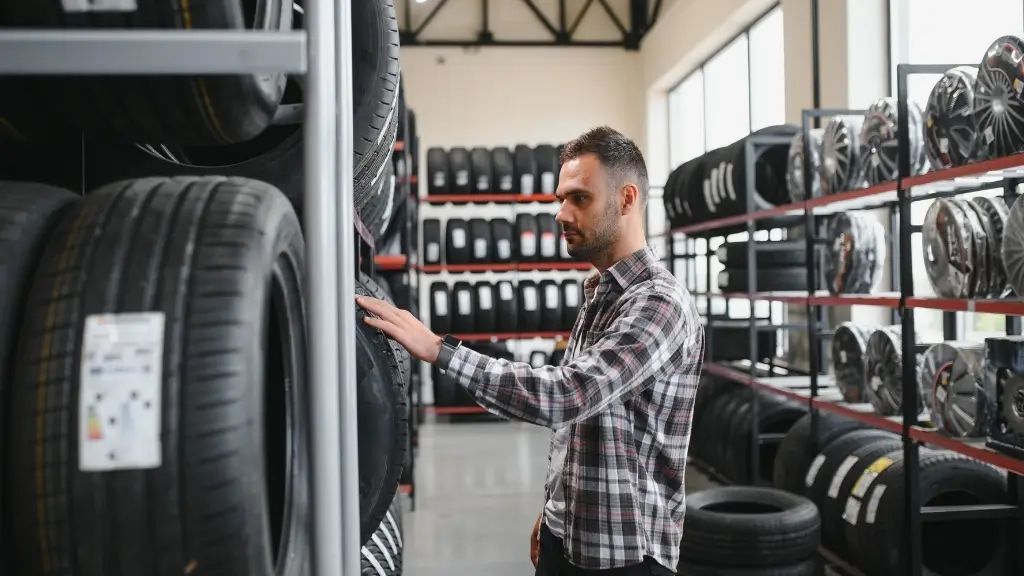
The replacement tire market works because it allows consumers to compare tradeoffs.
Companies such as Tire Rack have built their reputations helping drivers evaluate those tradeoffs. Their testing routinely demonstrates that no single tire is best at everything. A tire with excellent fuel economy may not have the best performance on a track. A tire with exceptional tread life may not offer the sharpest handling. A high-performance tire may sacrifice efficiency for grip.
That’s not a flaw. That’s the entire point of a competitive marketplace. Consumers decide what matters most to them.
California’s proposal changes that equation by elevating one characteristic above many others. Then there’s another question worth asking. Who benefits?
The answer isn’t as simple as some giant conspiracy involving tire manufacturers.
In reality, complex regulations often favor large tire companies that have the engineering resources, testing facilities, compliance departments, and legal teams necessary to navigate new requirements. Smaller tire competitors frequently face greater challenges. History shows that when government creates complicated technical standards, the largest players usually adapt more easily than everyone else.
That’s not necessarily the intent. But it is often the outcome. Car companies choose tire brands based on prices that meet the need and then design a tire for that model.
The bigger issue remains consumer choice.
Freedom is the ability to make informed decisions based on your own priorities, your own budget, and your own circumstances.
California officials argue the program will help achieve broader environmental goals and reduce fuel consumption statewide. That’s a legitimate policy objective.
The question is whether those benefits justify restricting the choices available to millions of consumers. That’s where reasonable people can disagree with the state of California. And its not just a California problem, we all know that other states that follow California’s clueless rules and regulations; that would be the usual suspects like New York, Illinois, Massachusetts, New Jersey and 10 other states.
But before regulators decide which tires Americans should be allowed to buy, they should answer a basic question.
Driver understands the tradeoffs should be able to choose where to spending their money, why should Sacramento or any other government decide that fuel-efficiency targets matter more than that consumer’s personal preferences?
The proposed regulation assumes government knows better than consumers which replacement tire market you should buy.
This always leads to a much bigger issue than tires; it’s a debate drivers across America should be having before California decides the answer for everyone else.
Follow what is happening California Energy Commission is conducting this rulemaking through Docket 26-TIRE-01. The authority behind this proposal traces back to Assembly Bill 844, passed in 2003.
Think about that.
A law passed more than twenty years ago is now being used to shape what replacement tires may be available in the future.
That’s not speculation.
That’s public record.
Go read it.
Check out my full commentary on this story: https://youtu.be/4mCoVcpxvHU
Looking for more automotive news? https://www.CarCoachReports.com
Listen to The Drive Car Show – https://www.youtube.com/@thedrivecarshow