TSLA405.88016.98%
GM82.0904.04%
F12.9450.505%
RIVN17.4250.535%
CYD43.0900.7681%
HMC25.2550.895%
TM219.5906.73%
CVNA395.78033.54%
PAG162.5706.55%
LAD286.87512.005%
AN208.68010.39%
GPI351.36515.885%
ABG213.6509.56%
SAH71.0703.7%
TSLA405.88016.98%
GM82.0904.04%
F12.9450.505%
RIVN17.4250.535%
CYD43.0900.7681%
HMC25.2550.895%
TM219.5906.73%
CVNA395.78033.54%
PAG162.5706.55%
LAD286.87512.005%
AN208.68010.39%
GPI351.36515.885%
ABG213.6509.56%
SAH71.0703.7%
TSLA405.88016.98%
GM82.0904.04%
F12.9450.505%
RIVN17.4250.535%
CYD43.0900.7681%
HMC25.2550.895%
TM219.5906.73%
CVNA395.78033.54%
PAG162.5706.55%
LAD286.87512.005%
AN208.68010.39%
GPI351.36515.885%
ABG213.6509.56%
SAH71.0703.7%

Senate GOP seeks to end EV tax credits by September 30

EV tax credits

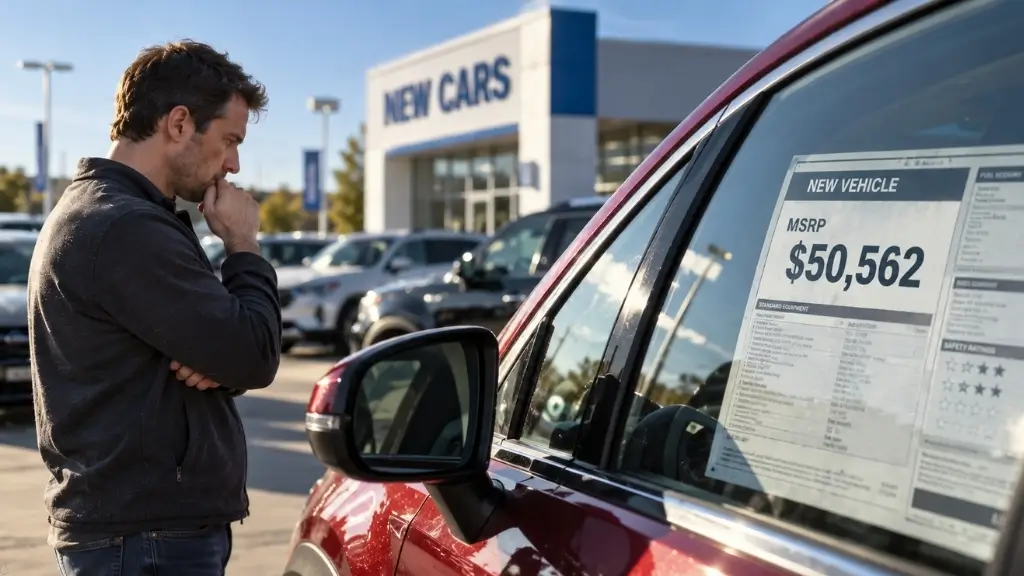
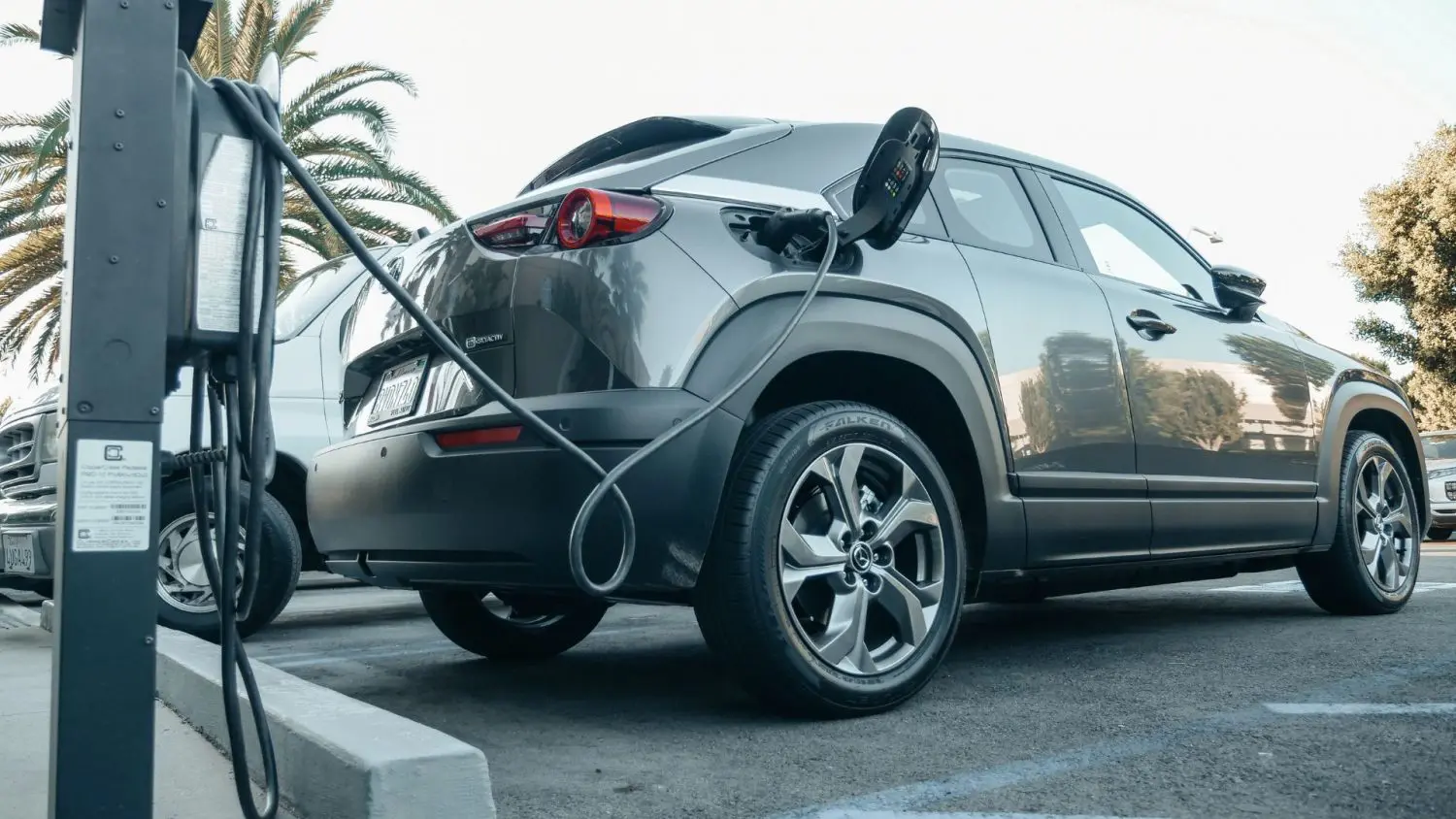
Senate Republicans released a revised tax and budget bill on Friday that would accelerate the phase-out of the federal EV tax credits for new and used electric vehicle purchases and leases.

Under the proposal, the $7,500 credit for new EVs and $4,000 tax credit for used EVs would end on September 30, a significantly shorter timeline than previously proposed.

Sign up for CBT News’ daily newsletter and get the latest industry stories delivered straight to your inbox.

The earlier version of the bill had allowed a 180-day grace period for new vehicle sales, 90 days for used vehicles, and an immediate end to leased EV tax credits for models not assembled in North America or failing to meet domestic content requirements.

In addition to the EV credit rollback, the bill eliminates penalties for automakers that fail to meet Corporate Average Fuel Economy (CAFE) standards. This move eases regulatory pressure on manufacturers, giving them increased flexibility to continue building gas-powered vehicles.

The legislation also introduced a tax break that allows Americans to exempt the interest paid on auto loans from their taxable income through 2028, provided the vehicle is manufactured in the U.S. However, the benefit is phased out for individual taxpayers earning more than $100,000 annually.

Notably, Senate Republicans dropped a provision from the earlier draft that would have required the U.S. Postal Service to abandon its electric vehicle fleet and related charging infrastructure. The Postal Service, which currently operates 7,200 EVs from Ford and Oshkosh Defense, warned that scrapping the fleet would cost $1.5 billion. The measure was removed after the Senate parliamentarian ruled it was not allowable under budget rules.

Read More
More from Articles
GM leans on global production to supply U.S. market amid cost pressures

GM leans on global production to supply U.S. market amid cost pressures

- April 17, 2026
On the Dash: Imported inventory may create variability in delivery timing and supply consistency. Trade policy shifts could impact the pricing and availability of certain models. Global production strategies may...
Volkswagen ends U.S. EV output, triggering $600 million financial hit 

Volkswagen ends U.S. EV output, triggering $600 million financial hit 

- April 17, 2026
On the Dash: Slower EV demand may impact inventory planning and turn rates for electric models. Production pullbacks could tighten EV supply or shift sourcing toward imports. Ongoing cost pressures...
March sales surge tightens inventory, affordability gaps persist

March sales surge tightens inventory, affordability gaps persist

- April 17, 2026
On the Dash: Faster March sales improved inventory flow, but demand remains uneven heading into Q2. Limited sub-$40K inventory continues to constrain volume opportunities. Rising incentives indicate growing pressure to...
Independent shops are gaining ground, but dealerships retain advantages in expertise, loyalty, and digital tools: New CDK Service Shopper 5.0 survey shows

Independent shops gain ground as dealerships face mounting pressure

- April 17, 2026
On the dash: Independent shops are gaining share, but dealerships still lead at 42% overall service volume. Dealerships win on expertise, OEM parts access, EV repairs, and stronger customer loyalty...
CBT News
Privacy Overview

This website uses cookies so that we can provide you with the best user experience possible. Cookie information is stored in your browser and performs functions such as recognising you when you return to our website and helping our team to understand which sections of the website you find most interesting and useful.