Welcome back to the latest episode of “The Future of Automotive” on CBT News, where we put recent automotive and mobility news into the context of the broader themes impacting the industry.
I’m Steve Greenfield from Automotive Ventures, and I’m glad that you could join us.
This week, more questions about Tesla’s push to launch its highly anticipated robotaxi service — and whether it’s truly ready for prime time.
Just weeks ahead of its scheduled debut, the National Highway Traffic Safety Administration sent a letter to Tesla, seeking answers about fundamental aspects of the program. The timing? Hard to ignore. The questions? Even more so.
Unlike competitors such as Waymo — owned by Alphabet — Tesla’s approach to autonomous driving is starkly different. While Waymo vehicles are outfitted with a sophisticated suite of sensors, including radar, lidar, and multiple cameras, Tesla relies on just one type of sensor: cameras. That’s it.
Cameras placed strategically around each Tesla vehicle are used to recognize road signs, lane markings, traffic lights, and other cars. But unlike radar and lidar — which actively emit energy to detect obstacles — cameras are passive. They depend on light. That means performance can degrade in certain conditions like direct sunlight or poor visibility.
To be clear, radar and lidar don’t have that problem. They send out their own signals — laser pulses in lidar’s case — allowing for a more reliable read of the environment. But there’s a catch: they’re expensive.
According to BloombergNEF, Tesla’s camera-based system costs around $400 per vehicle.
Compare that to the $9,300 sensor package on Waymo’s Jaguar I-Pace SUVs — more than 20 times the price.
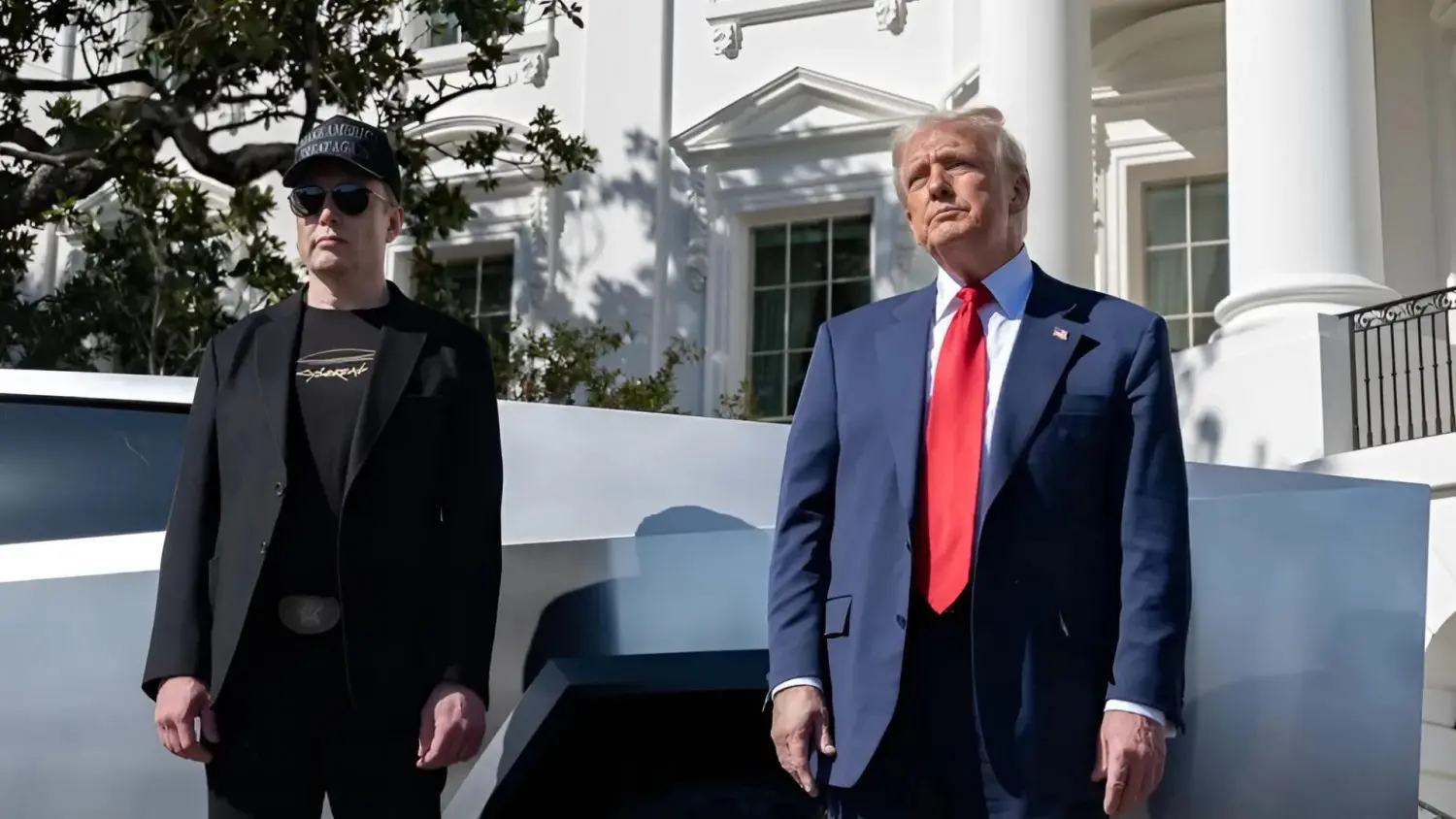
It’s a stark cost difference, and one Elon Musk highlighted during Tesla’s last earnings call, saying, quote, ‘The issue with Waymo’s cars is they cost way more money.’
But the cost savings come with trade-offs. Tesla’s own owner’s manual for the Model Y includes warnings that its front-facing cameras may not detect certain objects or barriers — and notes that external factors can affect performance. The manual makes it clear: the cameras aren’t designed to replace the driver’s own eyes — or their judgment.
So as Tesla races toward what it says is the future of transportation, federal regulators — and the public — are left wondering: is the technology ready… or is the company cutting corners in the name of speed?”
All eyes will be on Austin this month for the initial test of the new Tesla Robotaxi.
So, with that, let’s transition to Our Companies to Watch.
Every week we highlight interesting companies in the automotive technology space to keep an eye on. If you read my weekly Intel Report, we showcase a company to watch, and we take the opportunity here on this segment each week to share that company with you.
Today, our new company to watch is ExpressCTA
ExpressCTA’s focus is providing automotivec dealerships with industry leading website engagements that are designed to improve operational efficiency, customer service, and marketing ROI.
ExpressCTA’s ExpressPrice product’s call-to-action on your website will give you a competitive edge when customers shop online.
ExpressPrice product provides automotive dealerships with simple, effective, and quantifiable results – which they guarantee.
If you’d like to learn more about ExpressCTA, you can check them out at www.expresscta.com

So that’s it for this week’s Future of Automotive segment.
If you’re an AutoTech entrepreneur working on a solution that helps car dealerships, we want to hear from you. We are actively investing out of our DealerFund.
Don’t forget to check out my first book, “The Future of Automotive Retail,” and my new book, “The Future of Mobility”, both of which are available on Amazon.
Thanks (as always) for your ongoing support and for tuning into CBT News for this week’s Future of Automotive segment. We’ll see you next week!