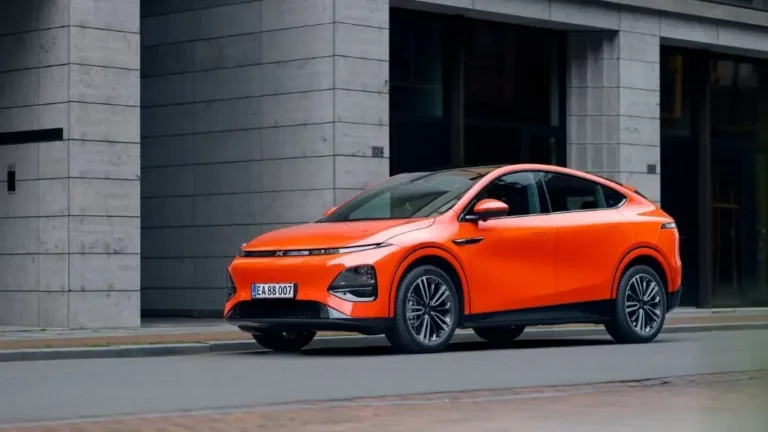
As Chinese EV makers scale rapidly and eye global expansion, U.S. policymakers and dealers face growing questions around tariffs, competition, and future strategy. In today’s episode of Inside Automotive, Michael Dunne, CEO of Dunne Insights and host of the “Driving with Dunne” podcast, shared his perspective on how China’s auto ambitions are reshaping the global automotive industry and what it means for American dealers and manufacturers.
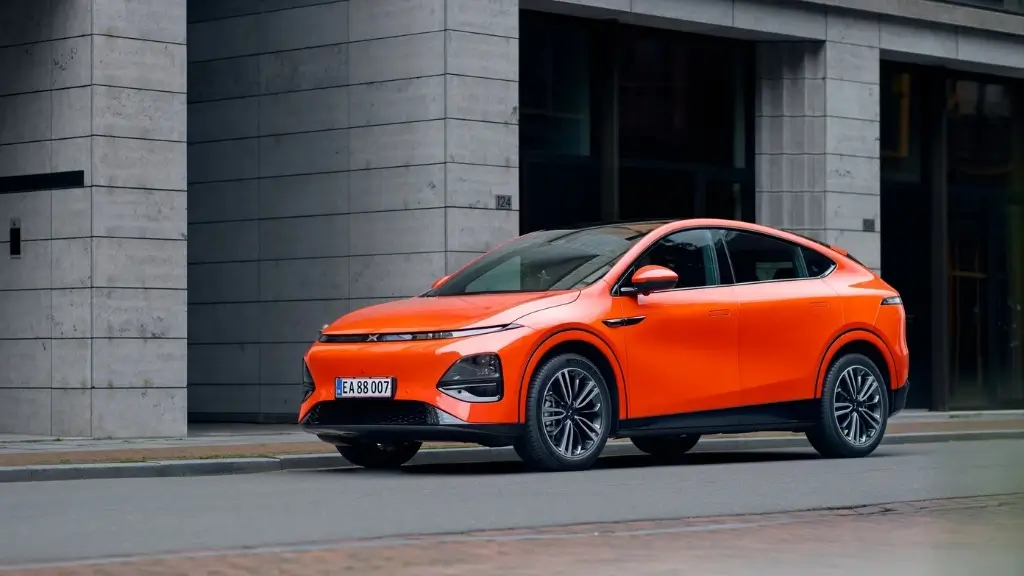
Dunne describes China as an “irresistible force” in the global auto industry, capable of producing electric vehicles at 25% lower cost than competitors while maintaining strong quality. With vast capacity—enough to supply half the world’s demand—Chinese automakers are under pressure to expand as they face a price war and profit erosion at home. This includes plans to enter the U.S. market despite tariffs of up to 100% or more.
He explains that while current tariffs constitute a significant barrier, particularly for direct exports from China, automakers are already exploring alternative routes to access the American market, such as manufacturing in South Korea, Morocco, or Mexico. Some may even consider building plants in the U.S. if incentivized, especially under a potential Trump administration. “If tomorrow President Trump woke up and said, ‘Bring $5 billion and build batteries here,’ the Chinese would jump at that,” Dunne notes, because access to the U.S. is the ultimate prize.
He also highlights that the Chinese market is heavily protected, with only 3% of cars sold there being imports, compared to 48% in the U.S., making the trade relationship highly asymmetrical. This context, he says, helps explain the aggressive tariff proposals from the White House, not as isolationist policy but as an effort to level the playing field and preserve U.S. industrial competitiveness in EVs.
New battery technology out of China is another wake-up call. Companies like BYD and CATL have unveiled batteries that can charge from 20% to 80% in five minutes and run up to 300 miles. These game-changing innovations, coupled with rapid EV adoption in other regions (50% in China, 25% in Europe and just 10% in the U.S.), reinforce that America is falling behind in the global EV race.
For U.S. dealers, Dunne recommends proactive research. He urges retailers to visit countries like the U.K., Spain, or Australia, where Chinese EVs are gaining traction, to test vehicles, assess dealer relationships, and evaluate real-world profitability.
He also advises promoting plug-in hybrid electric vehicles (PHEVs) as a bridge for hesitant EV buyers. PHEVs eliminate range anxiety and ease customers into electrification. And while the idea of working with Chinese automakers may seem premature, Dunne suggests dealers begin exploring franchise opportunities now, noting that Chinese OEMs “will need friends on the ground” if and when they enter the U.S. market.
"If you look around the world, at the most successful auto industries–that's Germany, Japan, Korea, and China–the one thing they have in common is significant tariffs or non-tariff barriers." – Michael Dunne