TSLA400.62011.72%
GM81.3203.27%
F12.8700.43%
RIVN17.2300.34%
CYD43.2600.9381%
HMC25.0000.64%
TM217.2004.34%
CVNA387.50025.26%
PAG161.3205.3%
LAD283.0408.17%
AN207.9909.7%
GPI349.94014.46%
ABG211.4407.35%
SAH70.7003.33%
TSLA400.62011.72%
GM81.3203.27%
F12.8700.43%
RIVN17.2300.34%
CYD43.2600.9381%
HMC25.0000.64%
TM217.2004.34%
CVNA387.50025.26%
PAG161.3205.3%
LAD283.0408.17%
AN207.9909.7%
GPI349.94014.46%
ABG211.4407.35%
SAH70.7003.33%
TSLA400.62011.72%
GM81.3203.27%
F12.8700.43%
RIVN17.2300.34%
CYD43.2600.9381%
HMC25.0000.64%
TM217.2004.34%
CVNA387.50025.26%
PAG161.3205.3%
LAD283.0408.17%
AN207.9909.7%
GPI349.94014.46%
ABG211.4407.35%
SAH70.7003.33%

Automakers stall pickups at U.S. ports, hoping for tariff relief

Industry experts warn the resulting supply chain bottlenecks could rival the disruptions experienced during the early months of the COVID-19 pandemic.
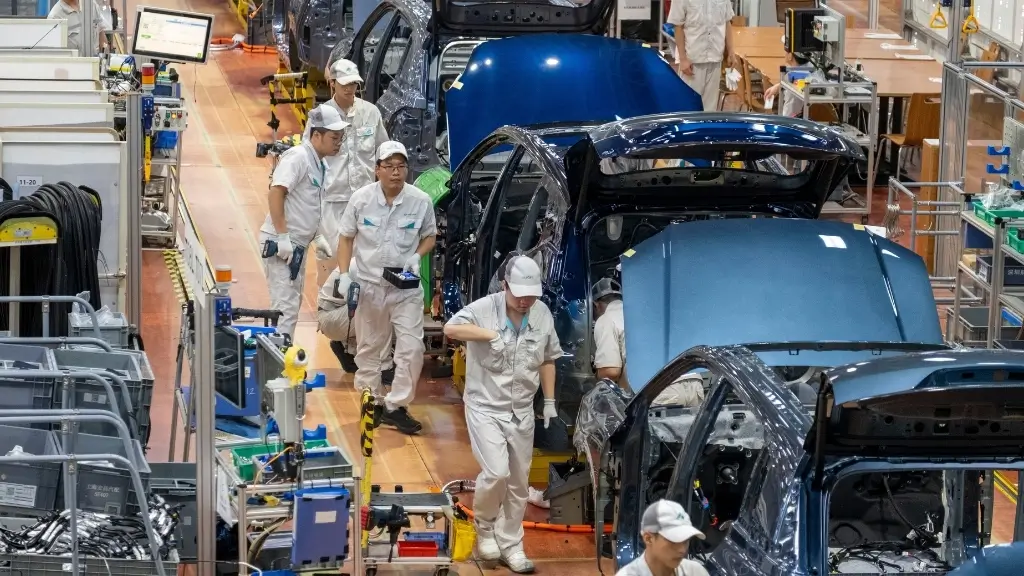
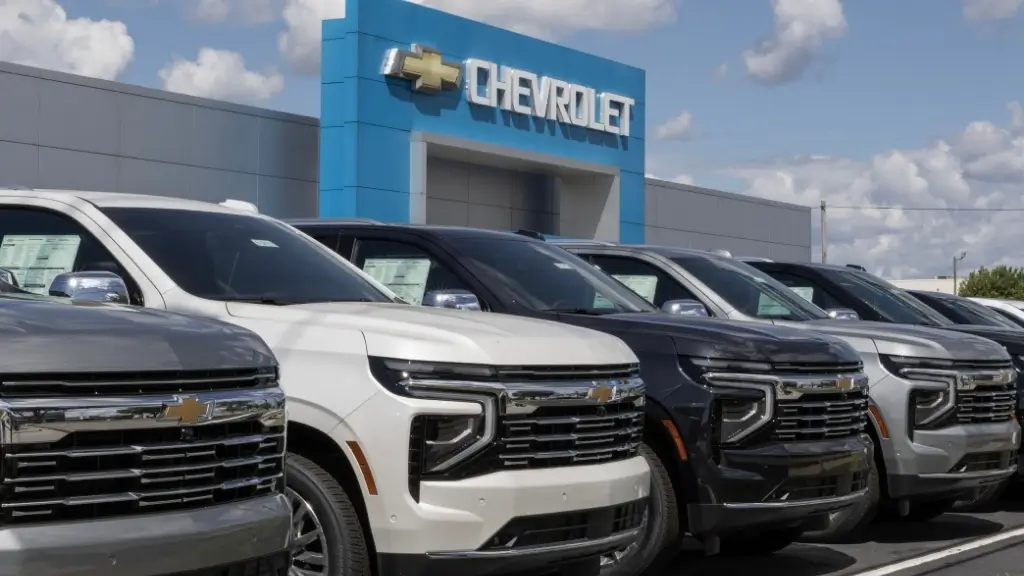
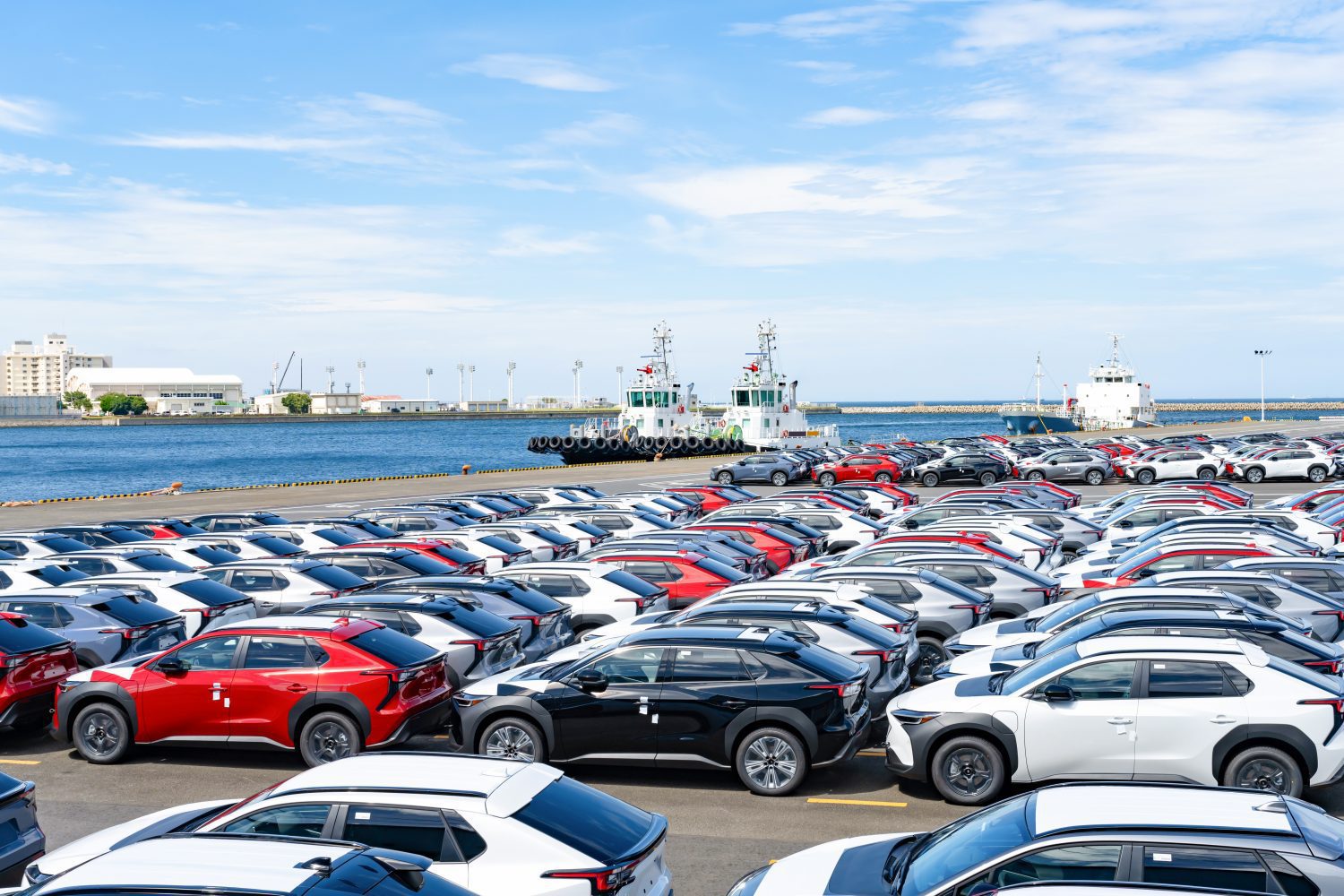
Major automakers are deliberately leaving newly imported vehicles at U.S. ports to delay paying steep tariffs, jamming shipping logistics.

Major automakers are deliberately leaving newly imported vehicles at U.S. ports to delay paying steep tariffs, a high-stakes gamble that could soon jam shipping logistics across the country.

On Friday, Mitsubishi joined Audi and Land Rover in halting pickups of their vehicles at port facilities. The move is part of a broader strategy to avoid immediate tariff costs, which are only triggered once cars are processed out of port storage. According to a new Financial Times report, the growing backlog is beginning to clog U.S. port storage lots, raising concerns among logistics professionals about a potential shipping crisis.

Sign up for CBT News’ daily newsletter and get the latest industry stories delivered straight to your inbox.

“We are getting closer to capacity at some ports,” one logistics executive told the Financial Times. Another warned the situation could “get quite ugly,” with ports “set to fill up fast.”

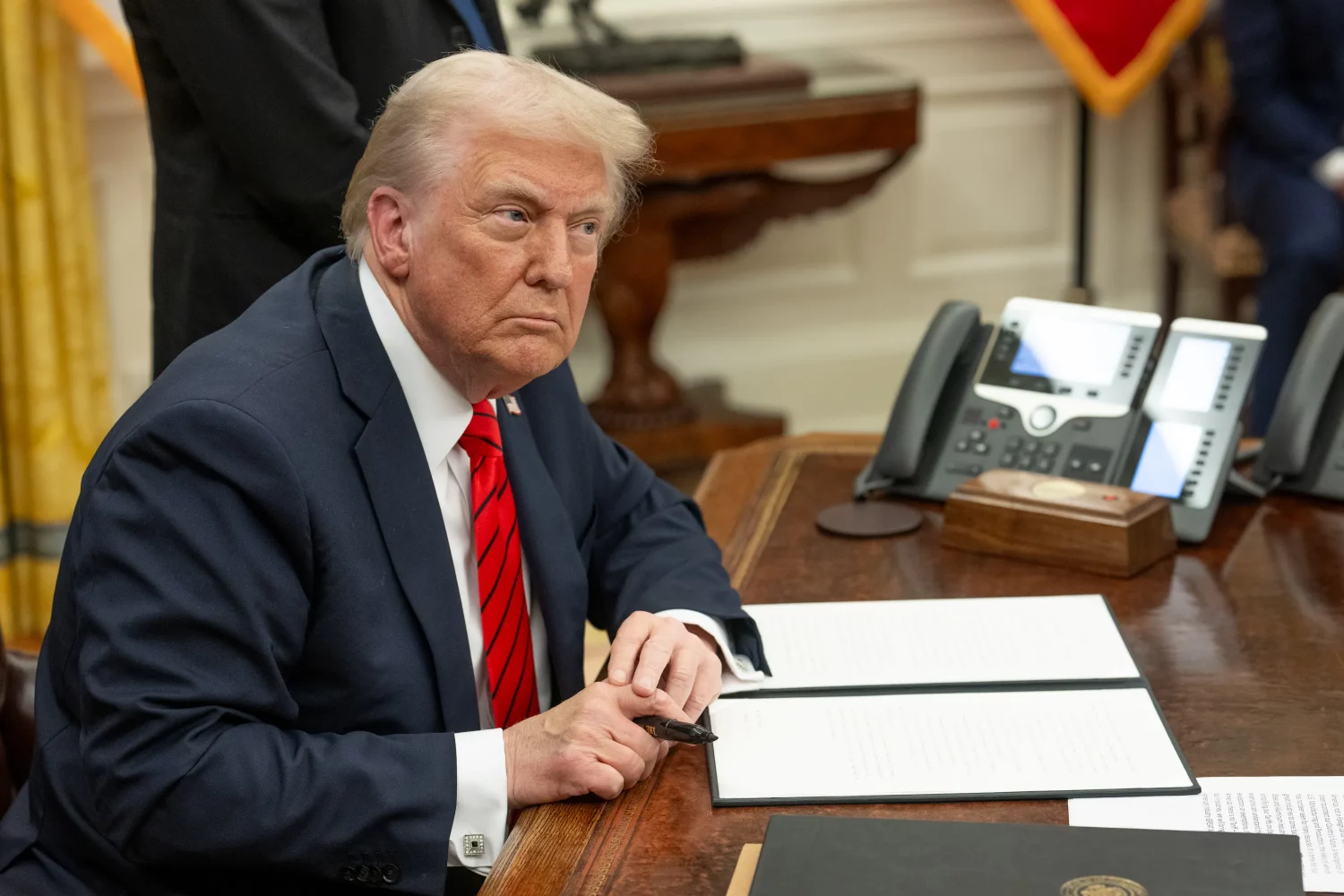
Automakers are now exploring alternative storage options, including bonded warehouses that allow for tariff-free storage—at least temporarily. While holding fees at ports remain high, some manufacturers see the financial risk as worth it, particularly if President Donald Trump reverses course on vehicle import tariffs.

Trump, who recently enacted a 90-day pause on some non-auto duties, has also hinted at flexibility on vehicle tariffs. If lifted, the move could save automakers millions — especially those with existing inventory parked at ports.

For now, most automakers are still in a manageable position. The average car company started April with a 70-day supply of vehicles — just shy of the industry’s two-month target. Mitsubishi, Land Rover, and Audi all report having ample stock to meet customer demand in the short term.

However, if sales remain strong and tariffs persist, inventory could begin to run short, forcing companies to import vehicles at significantly higher costs. That scenario would also raise consumer prices and increase pressure on automakers already dealing with narrow margins.

Meanwhile, port workers are preparing for a possible logjam as shipping companies consolidate deliveries to reduce millions of dollars in planned port fees. Industry experts warn the resulting supply chain bottlenecks could rival the disruptions experienced during the early months of the COVID-19 pandemic.


Read More
More from Articles
STL launches ‘Neuralis’ in the US: A high-performance Data Center portfolio engineered for the AI era

STL launches ‘Neuralis’ in the US: A high-performance Data Center portfolio engineered for the AI era

- April 17, 2026
Washington, United States, 17/April/2026: STL Optical Connectivity NA, LLC,  (STLOC),  a U.S. subsidiary of STL [NSE: STLTECH], a leading connectivity solutions provider for AI-ready digital infrastructure, today announced the U.S. launch of Neuralis, its flagship...
GM leans on global production to supply U.S. market amid cost pressures

GM leans on global production to supply U.S. market amid cost pressures

- April 17, 2026
On the Dash: Imported inventory may create variability in delivery timing and supply consistency. Trade policy shifts could impact the pricing and availability of certain models. Global production strategies may...
Volkswagen ends U.S. EV output, triggering $600 million financial hit 

Volkswagen ends U.S. EV output, triggering $600 million financial hit 

- April 17, 2026
On the Dash: Slower EV demand may impact inventory planning and turn rates for electric models. Production pullbacks could tighten EV supply or shift sourcing toward imports. Ongoing cost pressures...
March sales surge tightens inventory, affordability gaps persist

March sales surge tightens inventory, affordability gaps persist

- April 17, 2026
On the Dash: Faster March sales improved inventory flow, but demand remains uneven heading into Q2. Limited sub-$40K inventory continues to constrain volume opportunities. Rising incentives indicate growing pressure to...
CBT News
Privacy Overview

This website uses cookies so that we can provide you with the best user experience possible. Cookie information is stored in your browser and performs functions such as recognising you when you return to our website and helping our team to understand which sections of the website you find most interesting and useful.