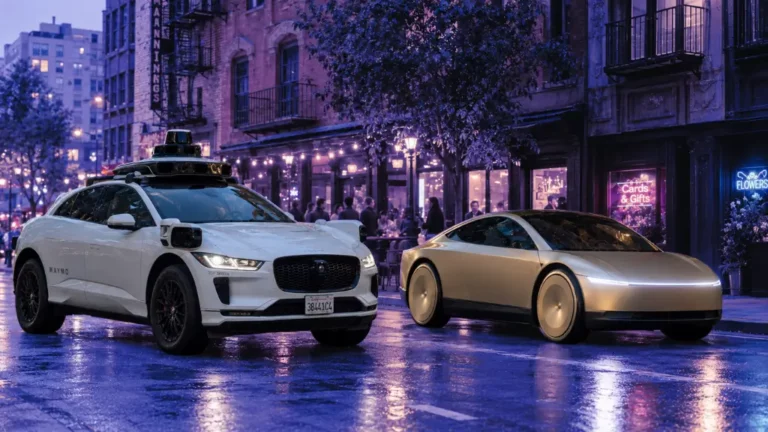
Tesla is seeking approval from California regulators to launch a ride-hailing service, a strategic move that could diversify its revenue stream as its core electric vehicle (EV) business faces declining sales. According to documents reviewed by Bloomberg, the company applied late last year for a transportation charter-party carrier permit from the California Public Utilities Commission. This permit would allow Tesla to own and operate a fleet of vehicles, putting it in direct competition with ride-hailing giants Uber, Lyft, and autonomous taxi service Waymo.
Elon Musk has long touted Tesla’s ambitions in autonomous transportation, claiming the company would introduce a driverless ride-hailing service in Austin by June and expand it to California by the end of the year. However, filings with state regulators indicate Tesla plans to launch with human drivers first, suggesting a phased approach toward full autonomy.
While Tesla has regulatory approval to test autonomous vehicles with safety drivers in California, it has not yet applied for permits to deploy fully self-driving cars. The company’s discussions with state officials, including details about driver’s licenses and drug testing, reinforce the likelihood that the initial rollout will rely on human-operated vehicles. Although Tesla’s application remains under review, the California Public Utilities Commission has yet to make a decision.
The move comes at a vital time for the EV maker. Tesla recently reported its first annual sales decline in over a decade, with sluggish demand in key markets like the U.S. and Europe. Musk has increasingly positioned Tesla as a technology and robotics company rather than solely an EV manufacturer, betting on AI-driven services to drive future growth.
Further, Tesla’s long-term vision for a driverless taxi fleet remains uncertain, especially in California, where stringent regulations have complicated autonomous vehicle deployments. Rival Waymo operates a driverless ride-hailing service in San Francisco, but other companies, such as General Motors’ Cruise, have faced regulatory setbacks.
It is important to note that Texas may offer a more favorable path for Tesla’s robotaxi ambitions, as the state’s regulatory environment treats autonomous driving similarly to traditional vehicles. However, Tesla still needs a ride-share license from the Texas Department of Licensing and Regulation, and as of early February, the company had not initiated that process.
Tesla’s push into ride-hailing also puts it at odds with Uber, which is preparing to introduce autonomous rides in Austin and Atlanta in partnership with Waymo. Uber CEO Dara Khosrowshahi recently revealed that while he had discussions with Musk, Tesla ultimately decided against making its vehicles available on Uber’s platform.
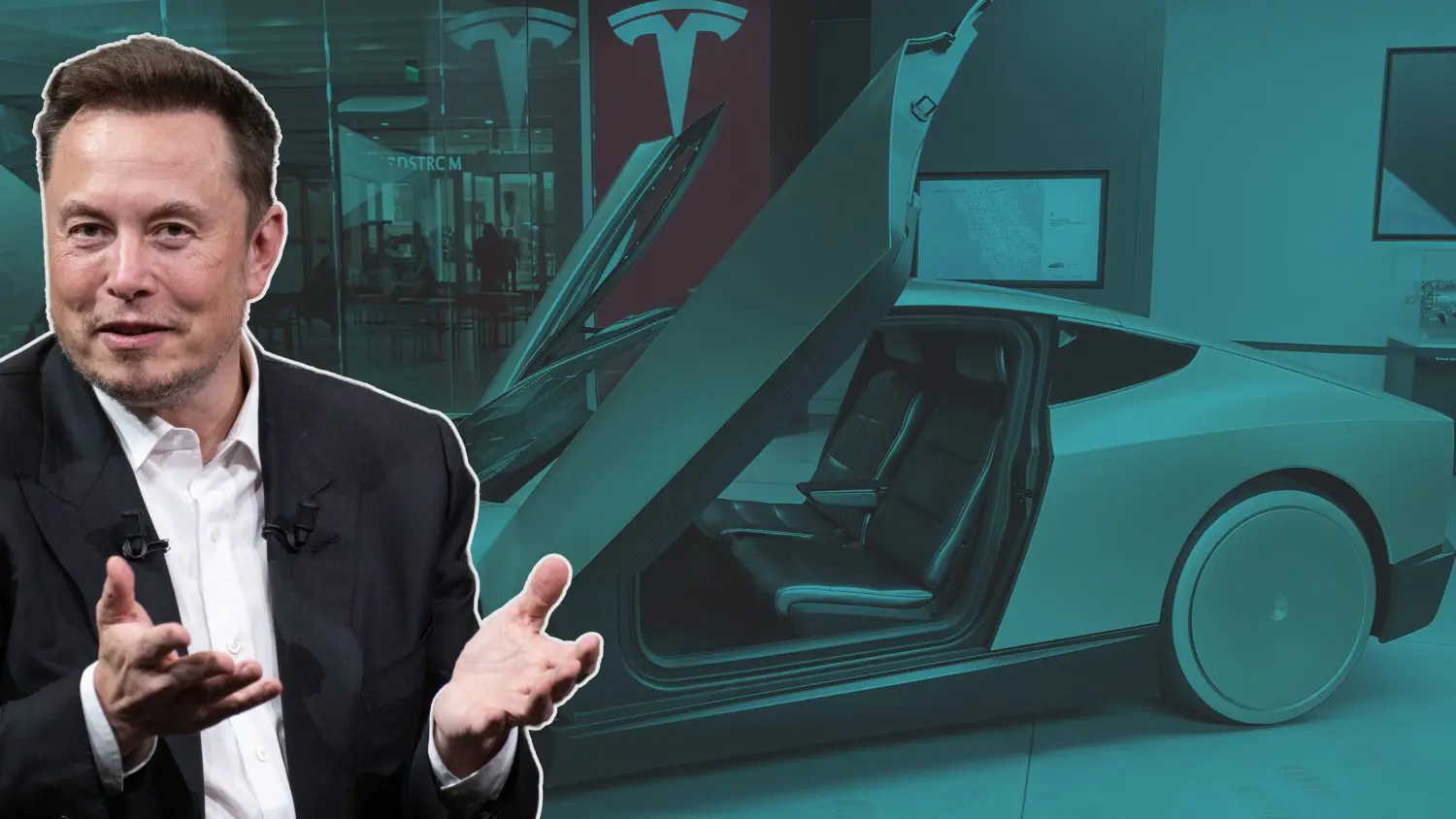
Musk has acknowledged that significant work remains before Tesla’s ride-hailing service can launch. But for now, the company is focused on ensuring that the app functions and that the payment systems work effectively before the rollout. In October, Tesla introduced a prototype of its Cybercab, but for now, the service will utilize existing Model 3 and Model Y vehicles.