TSLA381.6308.83%
GM76.8900.27%
F12.080-0.16%
RIVN16.4000.34%
CYD41.2101.13%
HMC24.3400.34%
TM192.6201.36%
CVNA395.995-0.595%
PAG171.520-0.14%
LAD290.120-0.88%
AN212.3806.69%
GPI356.8707.66%
ABG203.6902.3%
SAH78.7505.44%
TSLA381.6308.83%
GM76.8900.27%
F12.080-0.16%
RIVN16.4000.34%
CYD41.2101.13%
HMC24.3400.34%
TM192.6201.36%
CVNA395.995-0.595%
PAG171.520-0.14%
LAD290.120-0.88%
AN212.3806.69%
GPI356.8707.66%
ABG203.6902.3%
SAH78.7505.44%
TSLA381.6308.83%
GM76.8900.27%
F12.080-0.16%
RIVN16.4000.34%
CYD41.2101.13%
HMC24.3400.34%
TM192.6201.36%
CVNA395.995-0.595%
PAG171.520-0.14%
LAD290.120-0.88%
AN212.3806.69%
GPI356.8707.66%
ABG203.6902.3%
SAH78.7505.44%

Feds back AEB mandate despite pushback from automakers

The new regulations will require automatic emergency braking (AEB) in all new passenger vehicles by 2029.
automatic emergency braking (AEB) technology

The National Highway Traffic Safety Administration (NHTSA) has upheld its decision to require automatic emergency braking (AEB) technology in all new passenger vehicles by 2029, despite pushback from the automotive industry. The new regulation, which aims to improve road safety by reducing accidents and saving lives, will remain largely unchanged after a series of minor adjustments. NHTSA’s decision is a significant win for safety advocates, who argue that AEB technology has the potential to prevent thousands of injuries and save hundreds of lives each year.

The rule, which was finalized in April, has sparked criticism from the auto industry, particularly the Alliance for Automotive Innovation, which represents major U.S. automakers. The group claims that the AEB requirements are impractical and could drive up vehicle prices, making it more difficult for consumers to access affordable transportation. Their primary concern centers on the technology’s performance requirements, such as automatic braking at speeds up to 90 mph and detecting pedestrians in both daylight and at night.

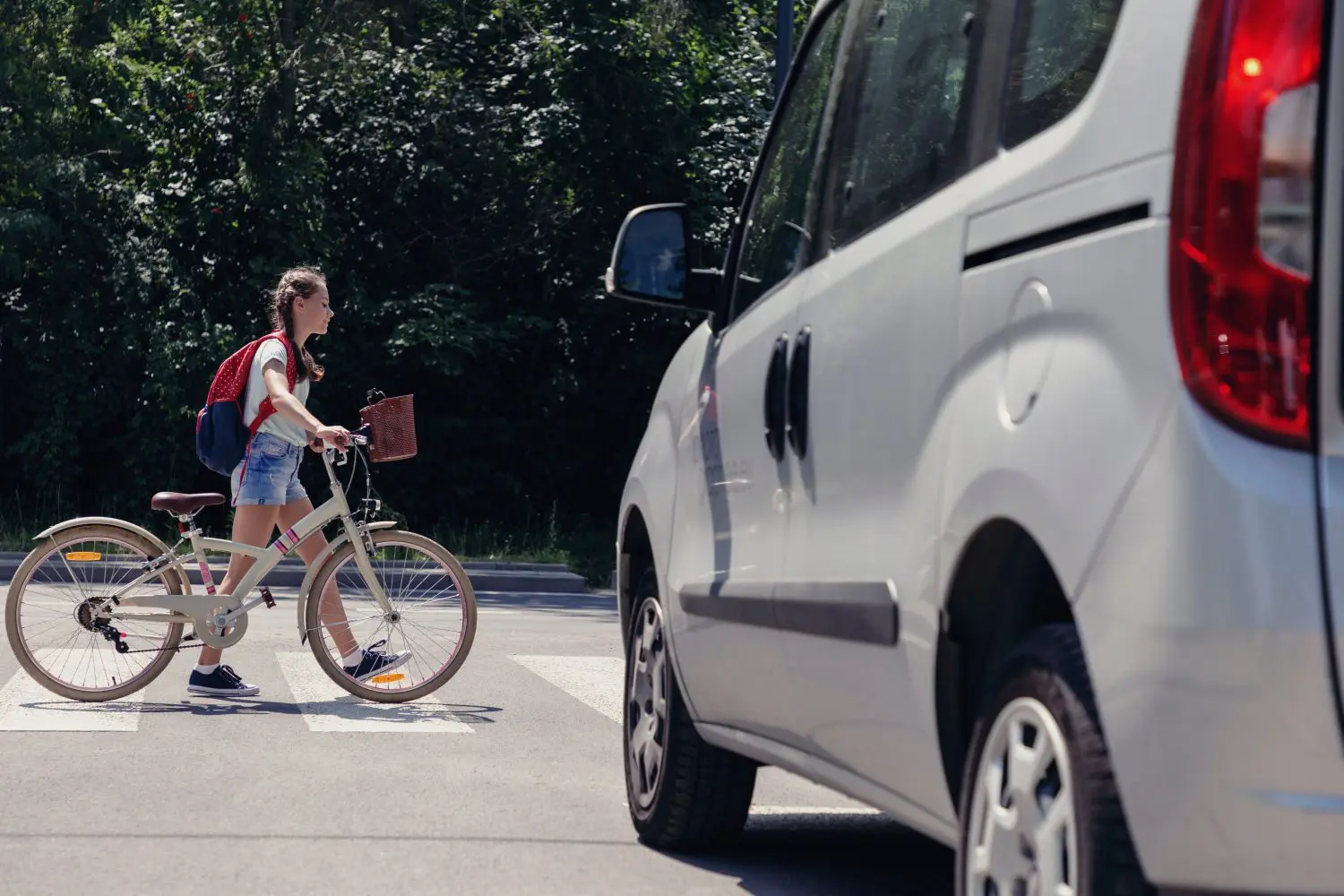
Despite these concerns, NHTSA has chosen to push forward with the regulation, arguing that the benefits far outweigh the potential drawbacks. Research shows that AEB can significantly reduce rear-end collisions and pedestrian accidents, which have been a growing concern as road fatalities remain at historic highs. According to NHTSA, the new rule will address a critical safety gap, helping to prevent accidents that could otherwise result in fatalities or serious injuries.

NHTSA’s decision is part of a broader effort to improve road safety, which was outlined in the 2022 Bipartisan Infrastructure Law. This regulation follows a voluntary commitment by automakers in 2016 to install AEB on nearly all new vehicles. By 2023, 20 automakers had already adopted the technology, equipping 95% of their new vehicles with AEB systems.

While the rule has faced strong opposition from the automotive sector, safety groups are celebrating the move as a crucial step toward reducing traffic fatalities and injuries.
Read More
More from Articles
Diesel was never the problem – Washington was the problem!

Diesel was never the problem – Washington was the problem!

- May 1, 2026
Diesel was never the problem. Washington was. For decades, diesel engines powered the backbone of America—heavy-duty trucks, farm equipment, and yes, even passenger cars and SUVs for drivers who wanted...
GM deploys Google Gemini AI to 4 million vehicles

GM deploys Google Gemini AI to 4 million vehicles with no dealer involvement

- April 30, 2026
On the Dash: Four million GM vehicles get a major AI upgrade to Google Gemini without visiting a dealership. Gemini brings hands-free messaging, smarter navigation and conversational AI to the...
Pleos Connect

Hyundai Motor Group redefines in-vehicle experience with ‘Pleos Connect’ next-generation infotainment system

- April 30, 2026
Pleos Connect, a next-generation infotainment system, will launch in May as Hyundai Motor Group’s first Software-Defined Vehicle (SDV) transition deliverable The system will debut on Hyundai Motor’s new GRANDEUR in...
Fed holds rates steady, squeezing used-car buyers

Fed holds rates steady, squeezing used-car buyers

- April 30, 2026
On the Dash: Used-car buyers face the greatest strain as high interest rates persist, with no incentives to offset costs. Rising gas prices disproportionately impact lower-income households, compounding affordability challenges. ...
CBT News
Privacy Overview

This website uses cookies so that we can provide you with the best user experience possible. Cookie information is stored in your browser and performs functions such as recognising you when you return to our website and helping our team to understand which sections of the website you find most interesting and useful.