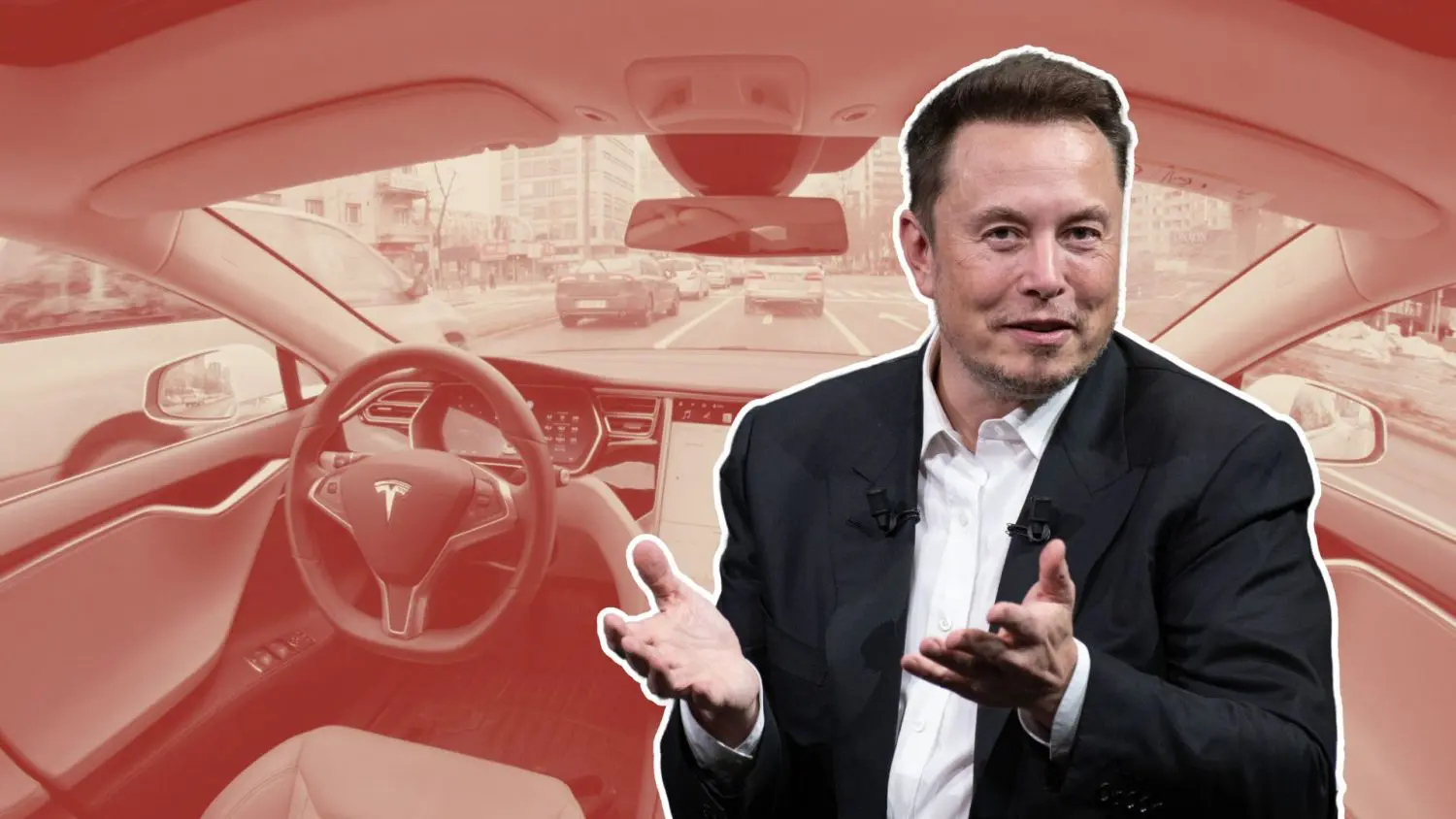
Despite significant technological and regulatory challenges, Tesla’s future increasingly relies on CEO Elon Musk’s vision for self-driving robotaxis.
Recently, Tesla has fallen behind its competitors in autonomous vehicle testing, particularly in California, where the regulatory environment is strict. However, Musk is counting on his influence with President-elect Donald Trump to secure federal regulations that could bypass state-level restrictions.
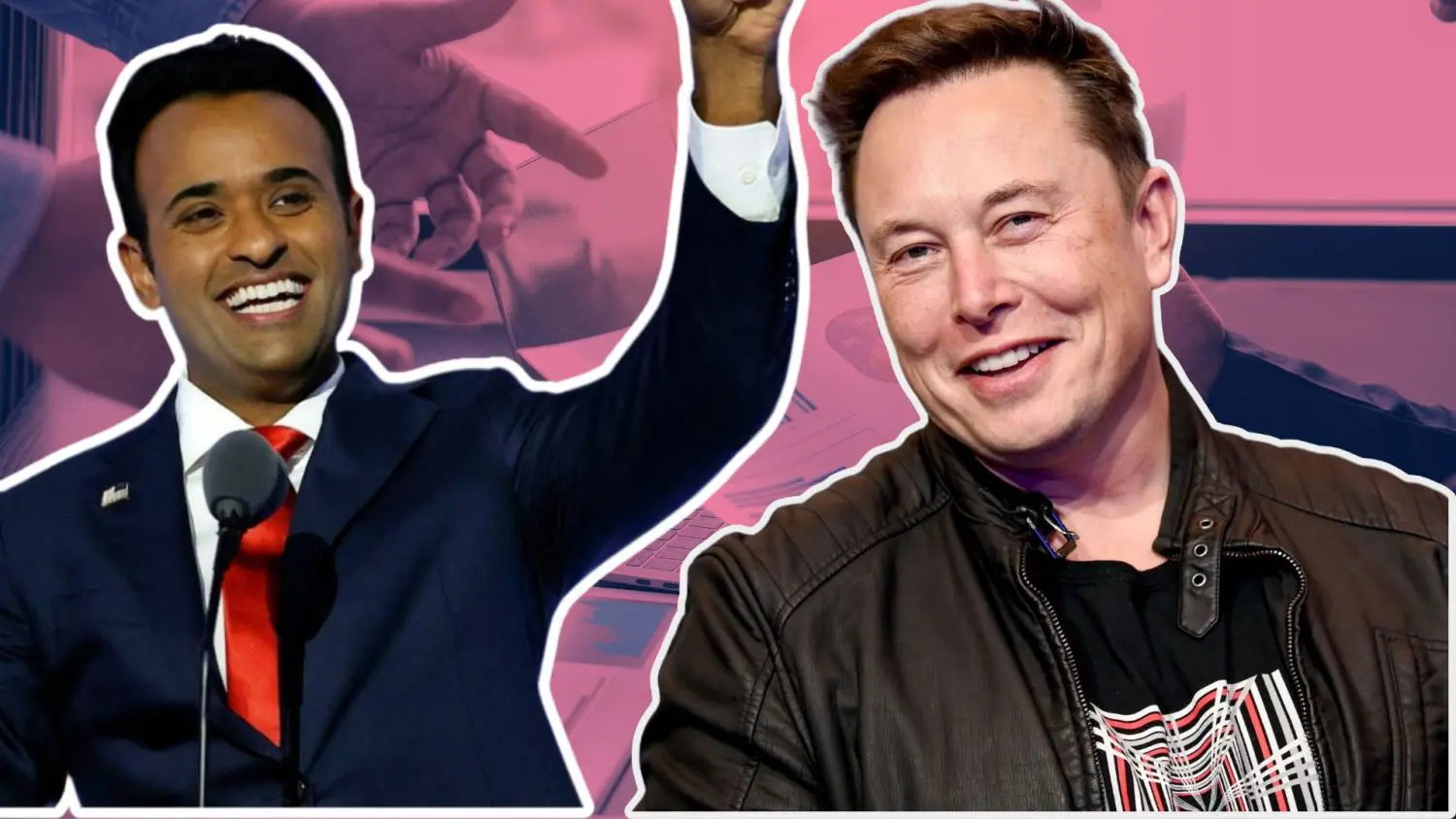
Musk has advocated for a national approval process for self-driving vehicles, criticizing the current state-by-state approach as “incredibly painful.” In October, he suggested that if Trump won the presidency, he would push for federal regulations and possibly take on a role as the “efficiency czar” in the new administration.
Tesla also faces technological gaps. Experts believe the company’s Full Self-Driving (FSD) system, which still requires human oversight, is far from ready for autonomous robotaxi deployment. Since 2016, Tesla has logged only 562 miles of autonomous testing in California, starkly trailing rivals like Alphabet’s Waymo, which has completed over 13 million miles and is the only company authorized to charge passengers for robotaxi rides in the state.
Even if Musk influences federal regulations, Tesla will encounter challenges such as public safety concerns, insurance issues, and potential legal liabilities. Additionally, the company’s reliance on computer vision instead of radar and lidar technologies may increase safety risks.
Tesla’s strategy for robotaxis contrasts sharply with those of its competitors. While companies like Waymo operate in highly regulated and well-mapped urban areas, Musk envisions a global fleet of vehicles capable of driving autonomously anywhere. Achieving this requires extensive changes to existing regulations. Musk has consistently claimed that fully autonomous Teslas will be available within a year, though many are skeptical.
Musk’s political connections may play a vital role in advancing Tesla’s vision. His support for Trump’s policies has secured him a place in discussions about transportation regulations, and his influence over the next head of the Transportation Department could hasten the necessary changes. However, regulatory hurdles will persist, and while federal oversight might simplify the path for Tesla, the company still faces a long journey to obtain the necessary approvals for widespread deployment.
As Tesla moves toward fully autonomous vehicles, it will encounter significant liability risks. In states with lenient regulations, like Texas, the legal landscape is unclear, and Tesla could be held accountable for any accidents involving its self-driving cars. Furthermore, the company faces difficulties securing insurance for autonomous vehicles, as such coverage is currently unavailable.
In conclusion, while Elon Musk’s political influence may assist in pushing favorable regulatory changes for Tesla’s robotaxi plans, the company faces a complex and uncertain path ahead. Technological challenges, legal risks, and regulatory uncertainties remain key obstacles to realizing Tesla’s vision for self-driving vehicles.