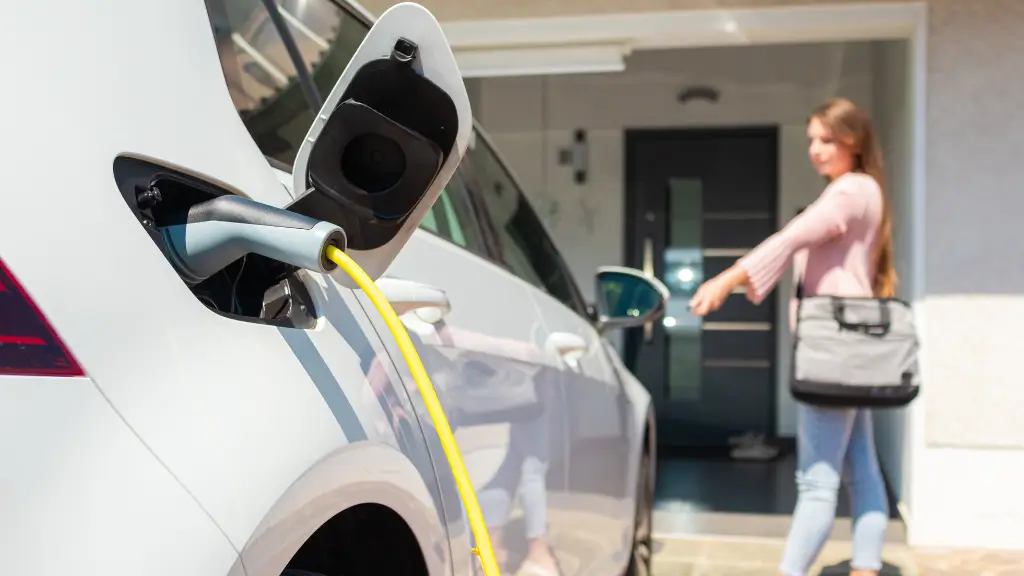
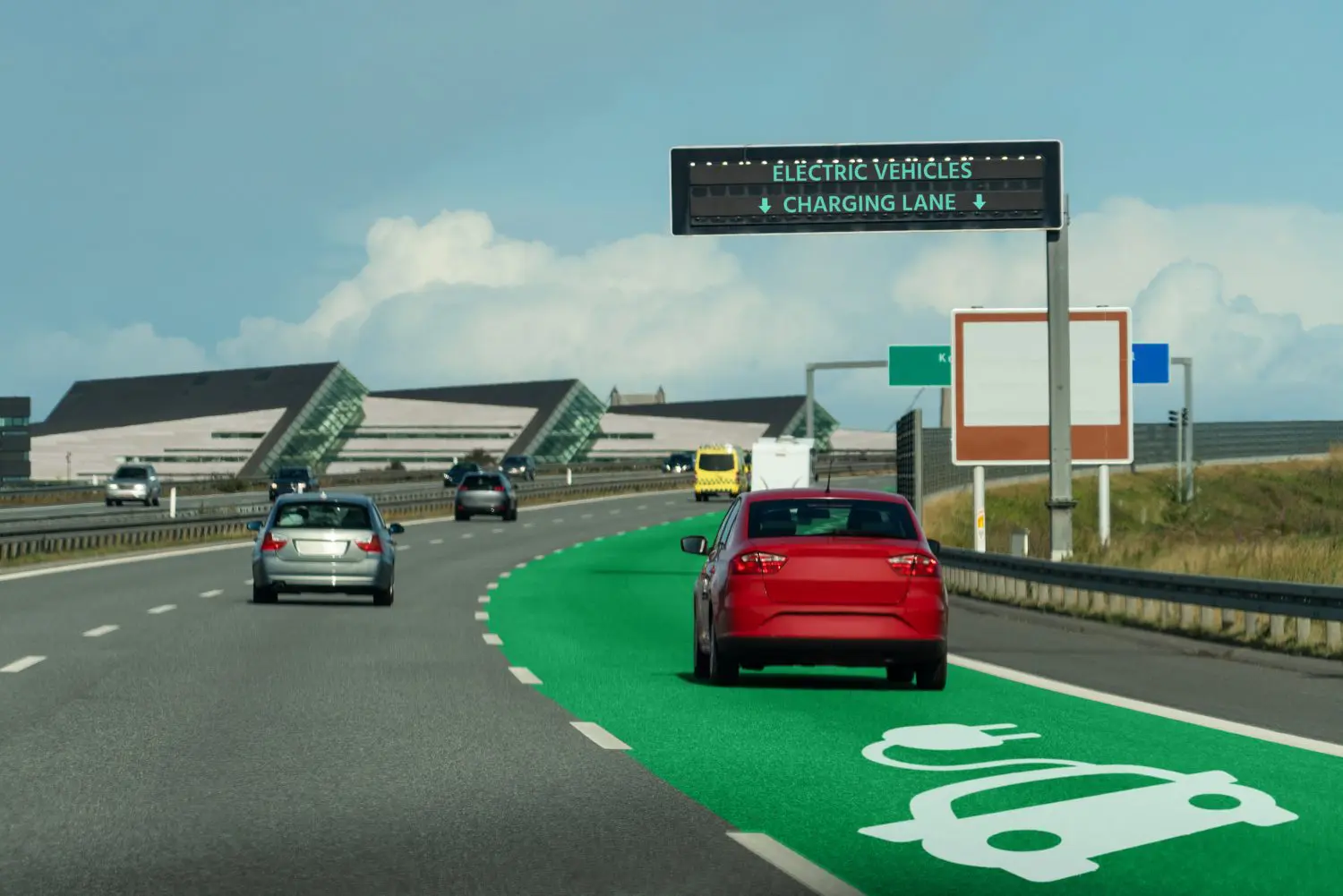
The development of wireless charging technology for electric vehicles (EVs) is accelerating, bringing the prospect of eliminating plug-in chargers closer to reality. This advancement could significantly change how EV owners charge their vehicles, offering a more convenient, cord-free solution. In August, automakers and suppliers made a major leap by establishing new standards to ensure wireless charging can work seamlessly across different vehicle brands and charging equipment manufacturers.
The finalized SAE International Standard J2954 ensures compatibility between the ground charging pad and the receiving pad on the vehicle, regardless of the brand. This standard also ensures that the car is properly aligned over the pad to maximize charging efficiency. Experts believe this alignment feature could eventually allow autonomous vehicles to self-park over charging pads, further streamlining the process.
Tesla, Stellantis, Hyundai, and Volkswagen are among the automakers exploring wireless charging as an option for their EV customers. While it won’t completely replace plug-in chargers immediately, wireless charging presents a more user-friendly method where drivers simply park over a mat to power up their vehicle’s battery.
Key Standards and Technology
The J2954 standard is built on technology developed by German supplier Mahle, using a low-intensity magnetic field to ensure precise vehicle alignment over the charging pad. This system has demonstrated the ability to transfer up to 11 kW of power with an impressive 93% efficiency in lab and field tests, including in challenging weather conditions like snow and rain.
“This new standard provides the missing link needed for the commercialization of wireless charging,” said Jesse Schneider, chair of the J2954 committee. SAE has established a uniform charging experience across brands and models by working with wireless charging companies, electronics manufacturers, and automakers.
At the cutting edge of wireless charging research, Oak Ridge National Laboratory in Tennessee is developing high-speed wireless chargers capable of delivering up to 300 kW of power. These chargers could reduce EV charging times to just 15 minutes for a 90% charge. Researchers recently set a power density record with a 270 kW polyphase charger tested in a Porsche Taycan, a significant leap from the typical 12-20 kW output of most current light-duty vehicle chargers.
This polyphase technology, which delivers constant power through rotating fields, is also scalable, meaning it could be adapted for both commercial and home-use chargers. However, the challenge remains in ensuring EV batteries can handle this level of power transfer safely, according to Omer Onar, head of Oakridge’s vehicle electronics power group.
Though no EVs currently come equipped with wireless charging capability from the factory, the technology is gaining traction in other areas. Tesla has outfitted the Cybertruck with electrical fittings that could support wireless charging in the future. At the same time, Hyundai has already conducted wireless charging tests in Korea using licensed technology from WiTricity, a leader in the field. WiTricity is working with various fleets, including school buses, to implement wireless charging systems, which are particularly useful for vehicles with extended idle periods.