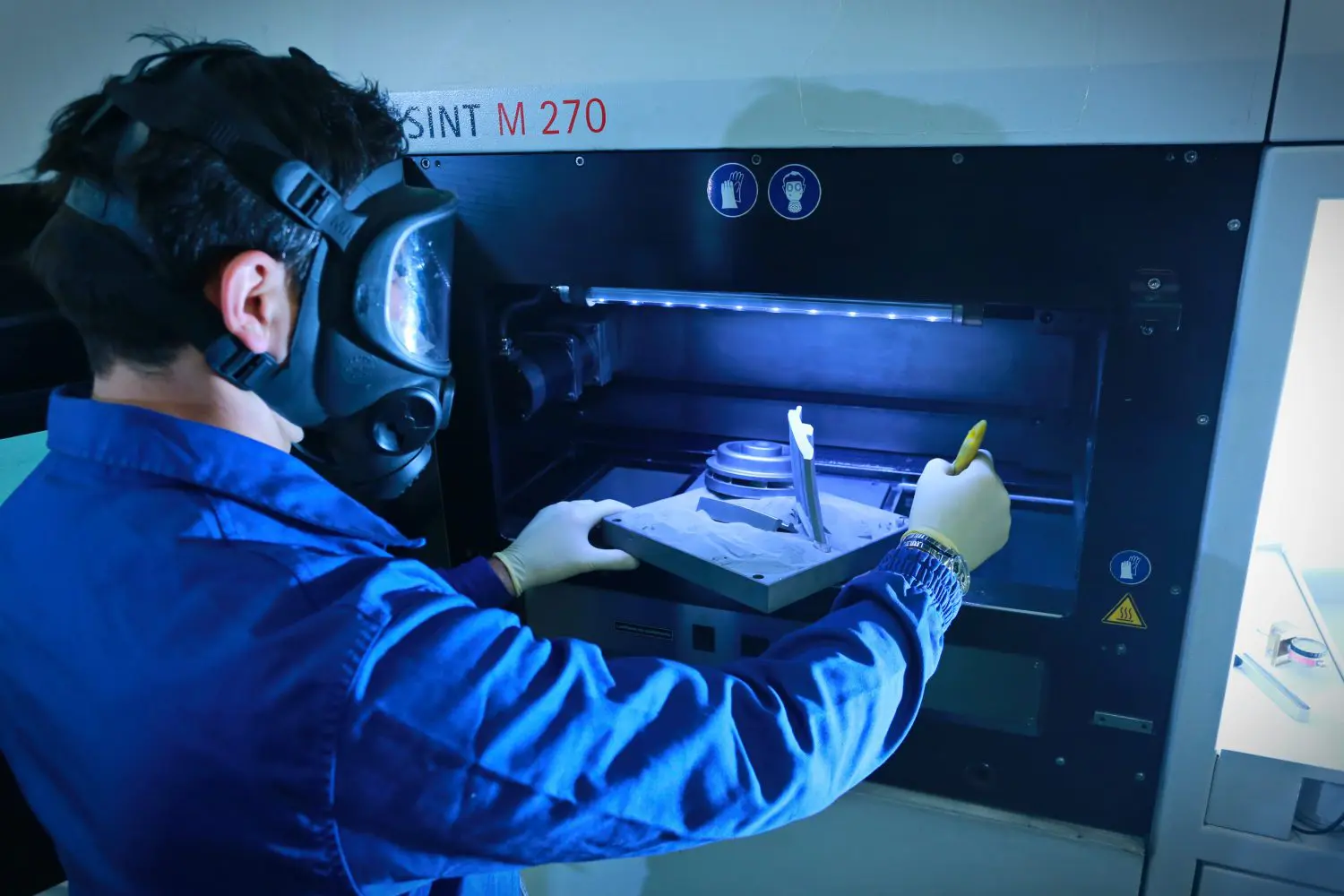
3D printing technology, also known as additive manufacturing, has revolutionized any number of industries by enabling the creation of complex structures with unprecedented precision and efficiency. This technology involves building objects layer by layer from a digital file, allowing for intricate designs that traditional manufacturing methods cannot achieve.
In recent years, the automotive industry has increasingly adopted 3D printing for prototyping, parts manufacturing, and customization, capitalizing on its potential to reduce costs and lead times.
Prototyping
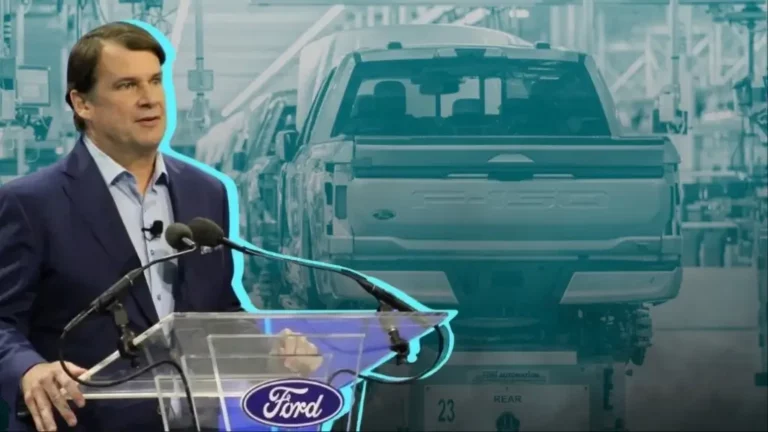
One of the primary applications of 3D printing in the automotive sector is prototyping. The ability to rapidly produce prototypes accelerates the design and development process, allowing engineers to test and refine components more efficiently. For example, Ford uses 3D printing to create prototype parts for new vehicle models, significantly reducing development time.
By leveraging 3D printing, automakers can produce concept cars and validate design ideas quickly, ensuring that any modifications can be implemented without substantial delays. This iterative process enhances innovation and improves the overall quality of the final product.
Parts Manufacturing
Beyond prototyping, 3D printing is increasingly used for manufacturing automotive parts. This technology is particularly beneficial for producing complex and lightweight components, crucial for improving vehicle performance and fuel efficiency. Custom parts and low-volume production runs are also well-suited to 3D printing, as they allow flexibility and cost savings compared to traditional manufacturing techniques. Producing parts on demand reduces inventory costs and enhances supply chain efficiency.
Customization
3D printing’s customization capabilities are transforming the automotive industry by enabling the production of personalized components tailored to individual customer preferences. This technology allows for the creation of unique parts that cater to specific needs, such as custom interior trims, ergonomic enhancements, and special edition performance parts.
This level of customization enhances consumer satisfaction by offering tailored solutions that align with their preferences. Automakers can provide a more personalized customer experience, setting themselves apart in a competitive market.
Cost and Lead Time Reduction
One of the most significant advantages of 3D printing in automotive manufacturing is its potential to reduce costs and lead times. Traditional manufacturing processes often involve significant material waste, but 3D printing uses only the necessary material, minimizing waste and reducing costs. This mainly benefits small-batch production, where traditional methods may be economically unfeasible.
Additionally, 3D printing enables faster turnaround times from design to production. The ability to quickly produce and test prototypes means that designs can be finalized and moved into production much more rapidly. This agility in manufacturing processes helps automakers respond to market demands and changes more effectively.
Future Potential
The future of 3D printing in the automotive industry looks promising, with ongoing advancements in materials and techniques driving further innovation. Emerging materials, such as advanced polymers and metal alloys, are expanding the range of applications for 3D printing in automotive manufacturing.
In the long term, 3D printing has the potential to transform supply chain dynamics by enabling decentralized and on-demand production. This could lead to significant cost savings and increased efficiency in producing and distributing automotive parts. As technology continues to evolve, it may even become feasible to produce vehicles on a large scale, fundamentally changing the landscape of automotive manufacturing.
Conclusion
3D printing is pivotal in automotive manufacturing, offering numerous benefits in prototyping, parts manufacturing, and customization. Its ability to reduce costs, minimize lead times, and provide personalized solutions positions it as a critical technology for the industry’s future. As advancements continue, the adoption of 3D printing in automotive manufacturing is set to grow, driving innovation and enhancing competitiveness.