TSLA445.27011.82%
GM75.810-0.63%
F13.5851.595%
RIVN14.2700.32%
CYD51.0202.5%
HMC24.3700.26%
TM186.8905.22%
CVNA69.900-3.82%
PAG166.580-2.45%
LAD273.220-2.08%
AN191.110-4.25%
GPI327.780-8.36%
ABG192.850-0.83%
SAH76.120-2.46%
TSLA445.27011.82%
GM75.810-0.63%
F13.5851.595%
RIVN14.2700.32%
CYD51.0202.5%
HMC24.3700.26%
TM186.8905.22%
CVNA69.900-3.82%
PAG166.580-2.45%
LAD273.220-2.08%
AN191.110-4.25%
GPI327.780-8.36%
ABG192.850-0.83%
SAH76.120-2.46%
TSLA445.27011.82%
GM75.810-0.63%
F13.5851.595%
RIVN14.2700.32%
CYD51.0202.5%
HMC24.3700.26%
TM186.8905.22%
CVNA69.900-3.82%
PAG166.580-2.45%
LAD273.220-2.08%
AN191.110-4.25%
GPI327.780-8.36%
ABG192.850-0.83%
SAH76.120-2.46%

Senators demand FTC probe into automakers’ sale of driving data to brokers

The data, including sudden braking and acceleration information, was shared with brokers such as Verisk Analytics, who then created driving-behavior reports for insurance companies.
Two U.S. senators are urging the Federal Trade Commission (FTC) to investigate automakers for allegedly selling customers' driving data.

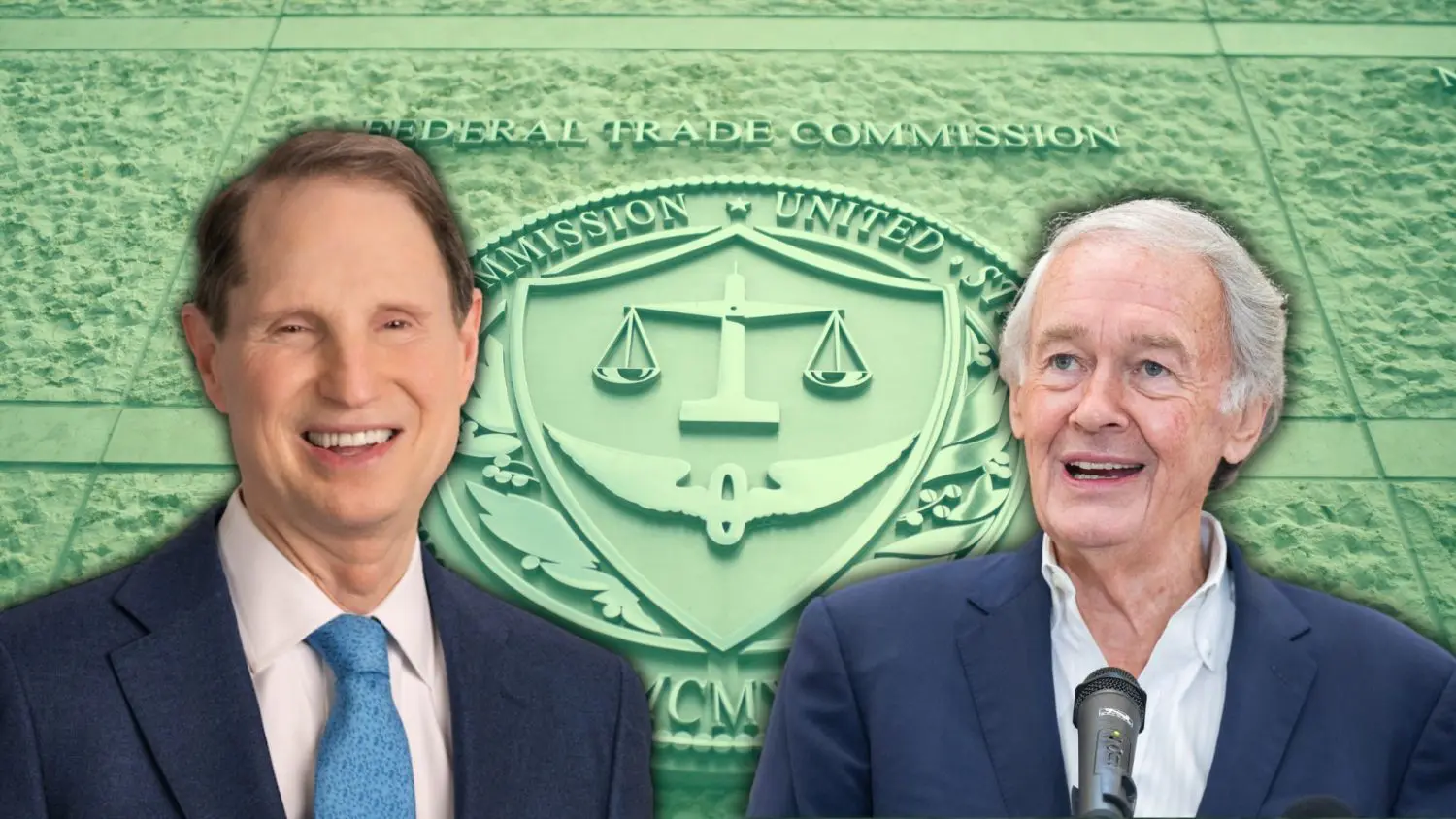
Senators Ron Wyden and Edward Markey

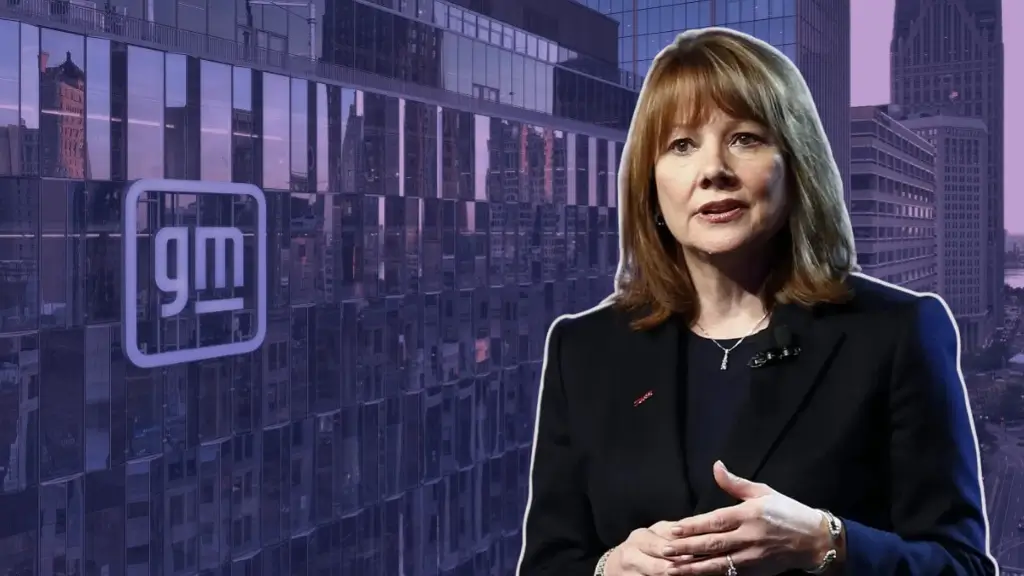
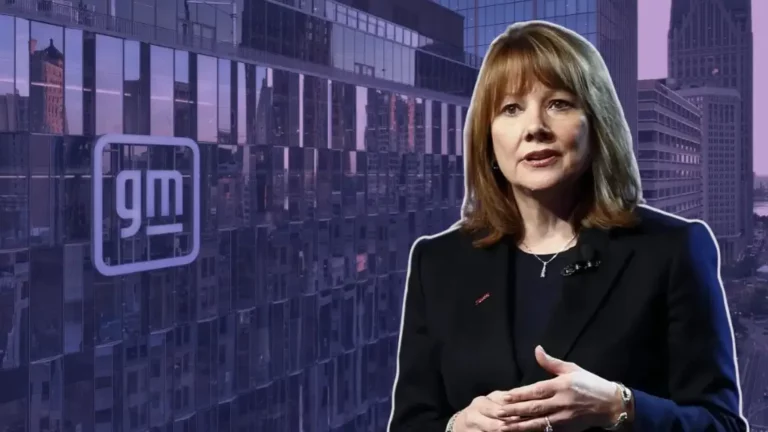
Two U.S. senators are urging the Federal Trade Commission (FTC) to investigate automakers for allegedly selling customers’ driving data to brokers, who then package and sell it to insurance companies. Senators Ron Wyden of Oregon and Edward Markey of Massachusetts addressed a letter to FTC Chairwoman Linda Khan, accusing General Motors, Hyundai, and Honda, among others, of deceptive practices related to data sharing.

Wyden and Markey allege that these automakers used manipulative tactics to get customers to consent to data disclosure. The data, including sudden braking and acceleration information, was shared with brokers such as Verisk Analytics, who then created driving-behavior reports for insurance companies. The senators claim that the companies misled customers into believing that sharing their data could lower their insurance rates without disclosing that it could also lead to higher charges.

The inquiry was prompted by a report in The New York Times, after which Wyden’s office investigated and found that the three automakers had confirmed data disclosure. GM admitted to sharing customer location data with two additional unnamed companies. According to the senators, Hyundai received over $1 million for data from 1.7 million vehicles, while Honda got just under $26,000 for data from 97,000 vehicles. GM did not disclose the number of cars or the payment received.

Moreover, the senators urged the FTC to hold the companies and their senior executives accountable if they are found to have violated the law. They also emphasized the need for transparency and accountability in data-sharing practices.

GM denied any deceptive practices, stating that data was only shared with insurers when customers initiated a quote and provided separate consent. The company mentioned that it canceled data-sharing partnerships with Verisk and LexisNexis in March and ended its “Smart Driver” program in June. GM also noted sharing “de-identified” data with partners to improve city infrastructure and road safety.

Hyundai countered the senators’ allegations, stating that their letter mischaracterized the company’s data policies. Hyundai assured that customers had to explicitly agree to share driving information with insurers and that Verisk was not authorized to share data without customer consent.

Similarly, Honda emphasized that customers had to opt into the data-sharing program and that no identifiable information was shared without explicit customer consent. The company highlighted that customers with good driving scores could opt into insurer discount offers.

Verisk defended its practices, ensuring data is accessed and used appropriately. The company reiterated that responsible data usage is central to its business operations.

Read More
More from Articles
Trump’s China visit raises new questions for U.S. automakers

Trump’s China visit raises new questions for U.S. automakers

- May 14, 2026
On the Dash: Dealers should expect continued uncertainty around EV sourcing, tariffs, and future U.S.-China trade policy. National security concerns surrounding connected vehicles could reshape future technology standards and inventory...
Honda posts first annual loss as EV strategy reset triggers $10B writedown

Honda posts first annual loss as EV strategy reset triggers $10B writedown

- May 14, 2026
On the Dash: Honda’s renewed focus on hybrids could boost showroom demand as consumers continue to favor practical electrified options. Slower EV adoption is forcing automakers to prioritize profitability and...
More shoppers considering EVs, price and charging availability still driving many away

More shoppers considering EVs, price and charging availability still driving many away

- May 14, 2026
On the Dash: Gas prices pushed EV consideration higher in April, 26% now "very likely" to consider an EV Purchase price is the most frequent objection, followed by range and...
Rivian's robotics spinoff tops $1 billion in funding as automaker pushes factory automation

Rivian’s robotics spinoff tops $1 billion in funding as automaker pushes factory automation

- May 14, 2026
On the Dash: Rivian's robotics spinoff Mind Robotics has raised more than $1 billion in under a year. The $400 million round values Mind Robotics at $3.4 billion, up 70%...
CBT News
Privacy Overview

This website uses cookies so that we can provide you with the best user experience possible. Cookie information is stored in your browser and performs functions such as recognising you when you return to our website and helping our team to understand which sections of the website you find most interesting and useful.