TSLA377.810-2.87%
GM80.990-1.02%
F12.125-0.155%
RIVN14.340-0.17%
CYD28.180-4.01%
HMC31.670-0.14%
TM182.910-2.66%
CVNA62.760-1.12%
PAG194.220-4.79%
LAD287.370-5.14%
AN156.210-1.93%
GPI232.610-4.35%
ABG167.770-1.99%
SAH60.520-0.48%
TSLA377.810-2.87%
GM80.990-1.02%
F12.125-0.155%
RIVN14.340-0.17%
CYD28.180-4.01%
HMC31.670-0.14%
TM182.910-2.66%
CVNA62.760-1.12%
PAG194.220-4.79%
LAD287.370-5.14%
AN156.210-1.93%
GPI232.610-4.35%
ABG167.770-1.99%
SAH60.520-0.48%
TSLA377.810-2.87%
GM80.990-1.02%
F12.125-0.155%
RIVN14.340-0.17%
CYD28.180-4.01%
HMC31.670-0.14%
TM182.910-2.66%
CVNA62.760-1.12%
PAG194.220-4.79%
LAD287.370-5.14%
AN156.210-1.93%
GPI232.610-4.35%
ABG167.770-1.99%
SAH60.520-0.48%

Automakers push back against costly automatic braking system rule

This latest clash underscores the ongoing tension between automakers and safety regulators.
While the alliance supports the inclusion of automatic braking technology, it argues that the rules' requirements are nearly impossible.

The Alliance for Automotive Innovation, representing major automakers, has petitioned the National Highway Traffic Safety Administration (NHTSA) to reconsider parts of a recently finalized rule mandating automatic emergency braking systems in all new vehicles by 2029. While the alliance supports the inclusion of automatic braking technology, it argues that the rules’ specific requirements are nearly impossible to meet and excessively costly.

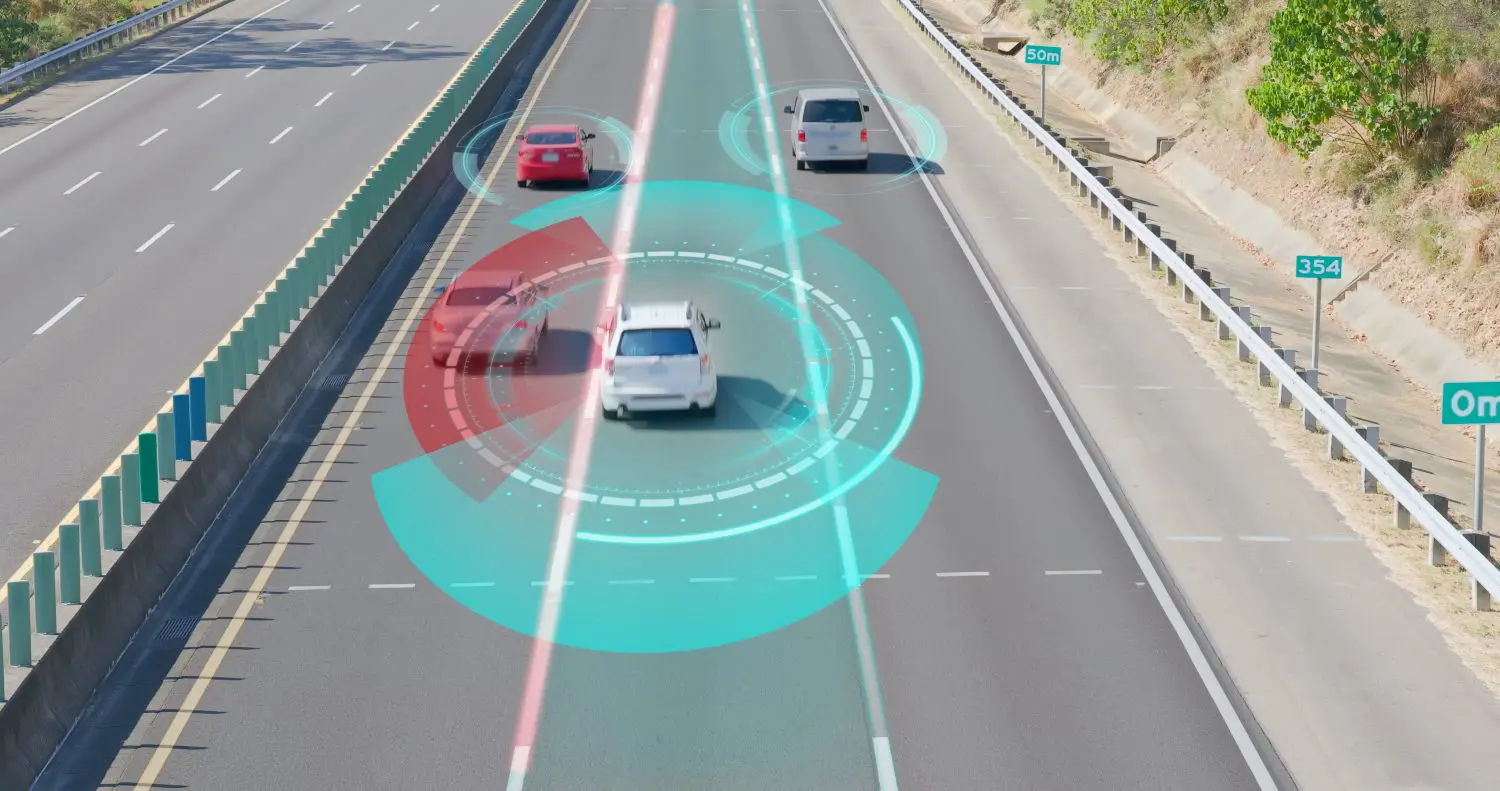
Automatic braking systems, utilizing sensors, cameras, and software, are designed to detect potential collisions with other vehicles or pedestrians and automatically apply the brakes if the driver fails to act. Although carmakers agreed in 2016 to increase the adoption of this technology by 2025, NHTSA has since sought to raise standards, citing inconsistencies and performance issues among different systems. According to regulatory data, by 2022, approximately 90% of new light vehicles will be equipped with such technology.

The final rule, completed in late April, sets stringent requirements: vehicles must be able to stop and avoid collisions at speeds up to 62 mph and detect pedestrians in darkness. Additionally, the systems must automatically apply brakes up to 90 mph to prevent vehicle collisions and 45 mph to avoid pedestrian impacts. NHTSA estimates these measures could reduce rear-end collisions and pedestrian fatalities, potentially saving 360 lives annually and preventing 24,000 injuries.

John Bozzella, President of the Alliance, expressed concerns that the rule’s standards exceed current technological capabilities. In a letter to Congress, he argued that the requirements would force vehicles to brake earlier than expected, potentially increasing rear-end collisions. Bozzella also highlighted the significant cost implications of complying with the rule, asserting that the technology’s expenses outweigh its safety benefits. He emphasized that the rule would compel automakers to develop more expensive systems without necessarily enhancing safety.

Past incidents have also raised consumer concerns about automatic braking systems, with some cases of the technology activating unexpectedly, sometimes leading to crashes. As regulators push for more widespread use of this technology, they are also intensifying scrutiny over advanced driver-assistance systems, including Tesla’s automatic-driving features, which are under investigation following several fatal incidents.

This latest clash underscores the ongoing tension between automakers and safety regulators, who continue to strive for advancements in vehicle safety while balancing technological feasibility and consumer costs.

Read More
More from Articles
Wholesale used-vehicle prices fall in September as high fuel costs shift demand

Wholesale used-vehicle prices fall in September as high fuel costs shift demand

- October 8, 2026
On the Dash: Used-vehicle wholesale prices fell in September, with the Manheim index down 1.1% from August to 205.9 and 0.6% below a year ago. Cox Automotive cut its 2026...
Mercedes-Benz U.S. sales rise 6% in Q3 as China pulls global car sales down 8%

Mercedes-Benz U.S. sales rise 6% in Q3 as China pulls global car sales down 8%

- October 8, 2026
On the Dash: Mercedes-Benz car sales fell 8% to 407,200 units in Q3, mainly because of China. U.S. car sales rose 6% to 75,300 units and are up 12% this...
The silent profit leak in your dealership: Why month-end close is taking longer than it should

The silent profit leak in your dealership: Why month-end close is taking longer than it should

- October 8, 2026
For many dealerships, month-end close feels like a necessary pain point. Long hours. Last-minute reconciliations. Missing information. Manual corrections. Unexpected variances. Teams scrambling to get reports finalized before leadership needs...
The car dealer looks real. The website is a lie

The car dealer looks real. The website is a lie

- October 7, 2026
You found the car. The price is right, the pictures look great, the VIN checks out and the dealership website looks completely legitimate. There is only one problem: the dealership...
CBT News

Privacy Overview

This website uses cookies so that we can provide you with the best user experience possible. Cookie information is stored in your browser and performs functions such as recognising you when you return to our website and helping our team to understand which sections of the website you find most interesting and useful.