California, known for its progressive environmental policies, is grappling with an electric grid crisis. Recent brownouts and electricity disruptions, reminiscent of those seen in developing nations, are a testament to the state’s ongoing energy challenges. The state’s primary electric utility, PG&E, believes it has a novel solution: tapping into electric vehicle (EV) batteries.
At first glance, the idea seems straight out of a futuristic novel. PG&E’s proposal involves leveraging the batteries of electric vehicles during their charging cycles to stabilize the grid during peak demand times.
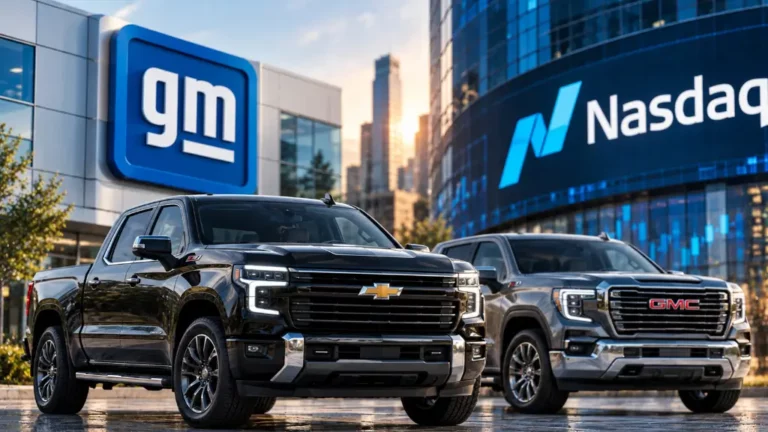
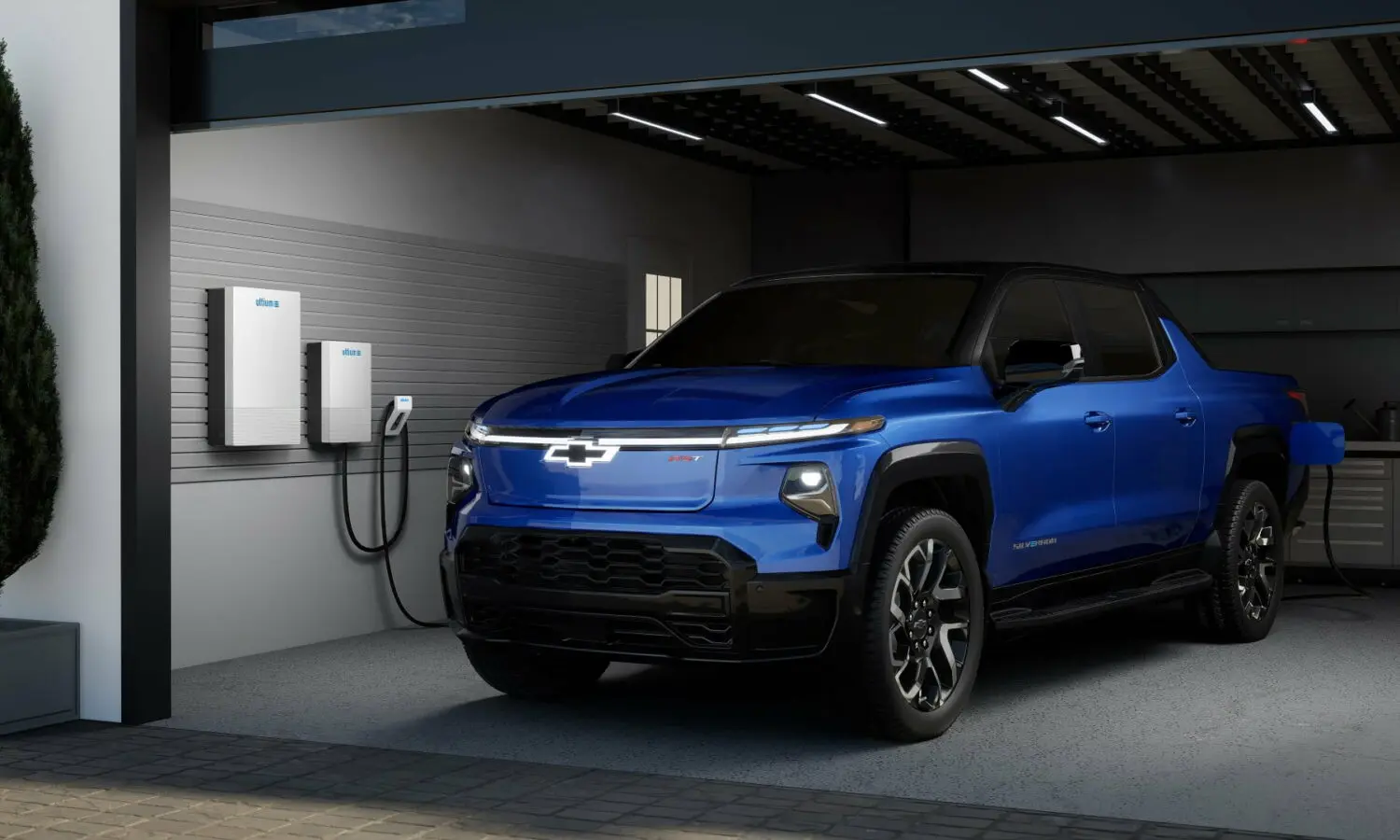
The Ford F-150 already offers bidirectional charging and GMs recent announcements that every GM EV will have this feature by 2026 present an example of how vehicles can act as backup power sources for households during outages. However, PG&E’s vision goes beyond isolated instances—it aims to harness the power of all EV batteries to prevent a grid collapse.
Harnessing the Idle Potential of Owners’ EVs
The logic behind this initiative is grounded in the observation that electric vehicles mostly remain unused for about 95% of the day. During these idle periods, energy stored in EV batteries could be repurposed to supplement the grid’s demands. According to the ABC News report, PG&E CEO Patricia Poppe views this “vehicle-to-grid” energy transfer as an unconventional yet promising strategy to preempt blackouts.
California’s state machinery also supports this innovative proposal. Lawmakers in Sacramento are expediting the legislative framework to make this vision a reality. Under SB 233, all new EVs sold in California by 2030 must come equipped with bidirectional charging, a technology that allows EV batteries to power homes, businesses, or the grid.
More Costs for EV Owners
However, the proposal is not without its challenges and critics. Detractors argue that this proposal would increase expenses for consumers, reduce the longevity of their already high-priced vehicles, and the sole advantage offered to them would be a reimbursement for a fraction of the initial charging costs—costs they’d incur once more when recharging after PG&E depletes the power.
Questions also arise about the consequences of this strategy on electric vehicles. If California’s grid routinely taps into EV batteries, will vehicle owners find their cars frequently drained when they need them the most?
Moreover, the economic ramifications for EV owners are concerning. Although PG&E may compensate users for the electricity drawn from their vehicles, the frequent charge-discharge cycles could reduce the lifespan of their batteries. Batteries, after all, have a limited number of charge cycles before their efficiency wanes. This could result in EV owners shouldering the costs of premature battery replacements—a proposition that is hardly enticing.
A Problem and a Solution No One Asked For
This situation epitomizes the complexities of pushing green energy initiatives without adequate infrastructure. While the intent behind such initiatives is commendable, the execution and broader implications can sometimes lead to more challenges than solutions. In trying to address one issue, another is inadvertently created.
So, while PG&E’s proposal to harness EV batteries is a testament to innovative thinking, it’s essential to consider its long-term viability and impact on EV owners. As California seeks sustainable solutions for its grid challenges, it’s crucial to ensure that the remedies proposed do not exacerbate existing problems or create new ones. After all, innovation, while valuable, must also be pragmatic and sustainable.