The automotive industry is in the long process of a groundbreaking transformation, with electric vehicles (EVs) being promoted as the forefront of the evolution.
As we look ahead, governments marching in line with environmentalists suggest that the future of EVs promises to revolutionize transportation in ways we have never imagined. In this forward-looking article, we look into the world of EVs and explore the emerging technologies that will shape the future of mobility. And it may not all be electric.
The Electric Revolution: A Slow Movement Towards Sustainability
The shift towards electrification is no longer a distant dream but a global, not slow, movement promoted by media, governments, automakers, and some consumers. The desire is to reduce carbon emissions and embrace sustainable transportation. With an increasing focus on sustainability, the automotive industry is witnessing a profound transformation like never before.
One of the critical factors in the widespread adoption of EVs has been the continuous advancements in battery technology. Breakthroughs in battery chemistry, such as this 745-mile battery from Toyota, have resulted in EVs with longer driving ranges, faster charging, and improved performance. These developments are trying to alleviate range anxiety and make EVs more practical for everyday use.
However, as good as batteries might become, the success of EVs hinges on a robust charging infrastructure. It’s currently a slow process because of laws and weak electrical grids. In many areas, just putting in a charger takes two years.
Still, governments and private entities are investing heavily in charging networks to provide convenient and accessible charging options for EV owners. As charging infrastructure expands, the barriers to EV adoption will continue to diminish.
Autonomous EVs: Redefining Mobility with Self-Driving Technology
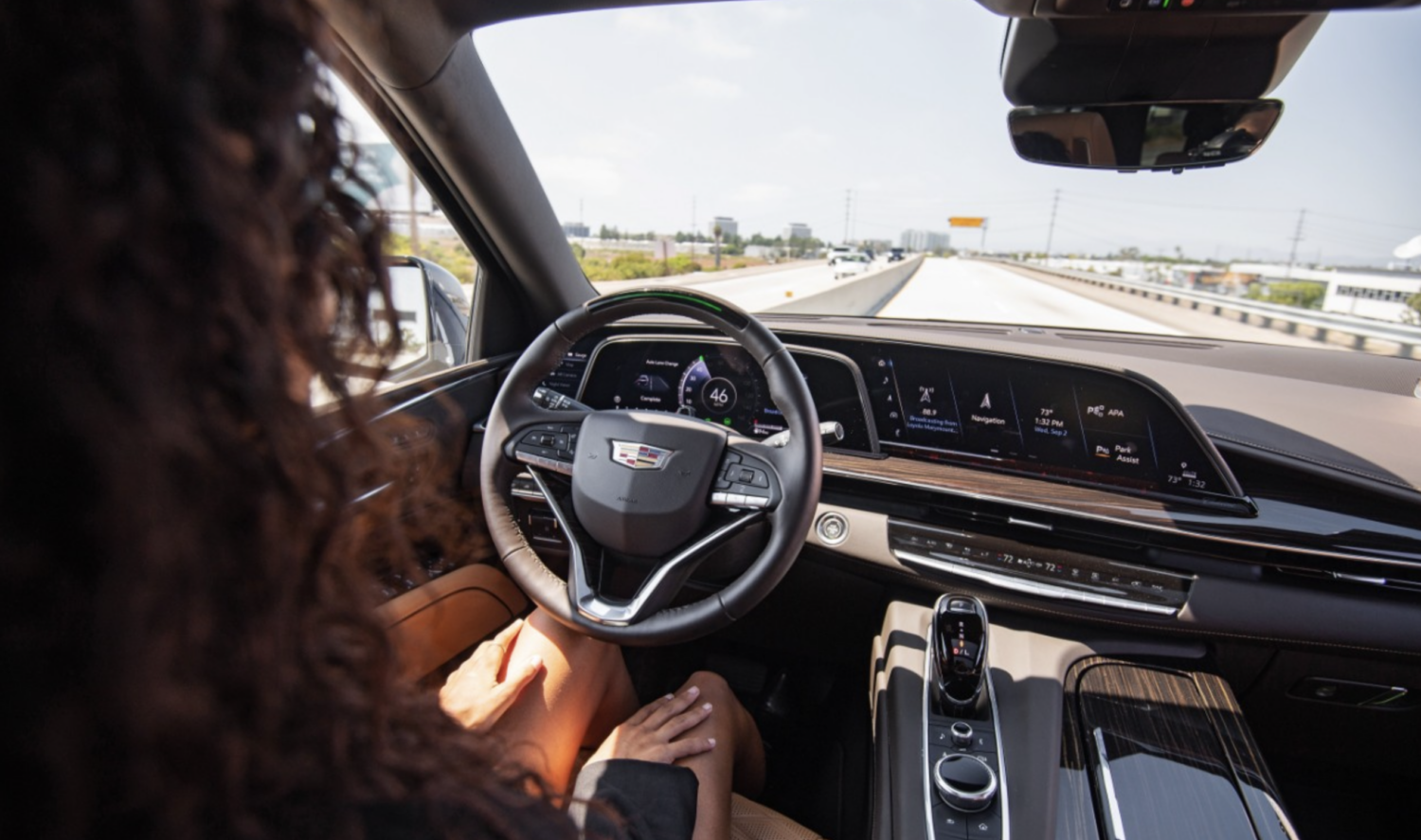
Available charging aside, the future of EVs is also intrinsically tied to autonomous driving technology. Although continually litigated, Tesla’s self-driving features are still the standard, enhancing road safety and convenience. But GM’s Super Cruise, BMW’s Driving Assistant Professional, and others are showing promise.
The rise of autonomy is not just about hands-free driving; it also opens up new possibilities for shared autonomous fleets, which can transform transportation as we know it. But one could argue that a public that is pushing back against EVs most definitely won’t accept the restrictions inherent in shared autonomous fleets.
Sustainable Materials and Manufacturing: Towards Eco-Friendly EVs
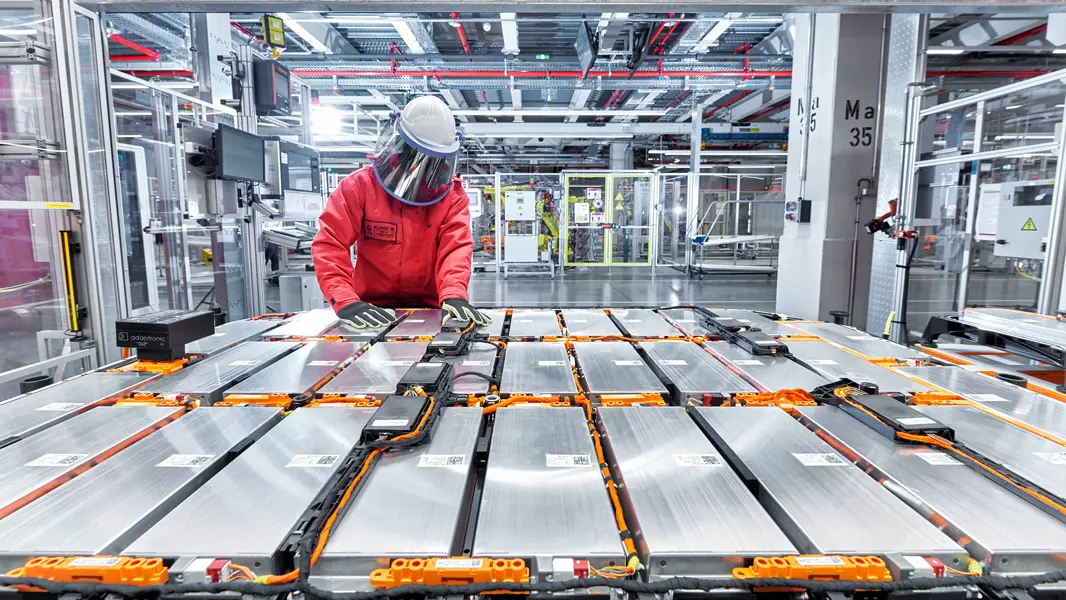
Since making EVs is a filthy and environmentally destructive process, pursuing sustainability has to extend beyond the road to the manufacturing process itself.
Automakers are adopting eco-friendly practices, incorporating renewable energy sources in their manufacturing facilities, and minimizing waste through recycling and reuse initiatives. Furthermore, innovative materials are making their way into vehicle components, reducing the environmental impact of EV production.
But there’s a long way to go. Just because consumers don’t see lithium mining doesn’t make it go away.
The Next Generation: ICE isn’t Going Away
Beyond conventional electric cars, the future of EVs holds exciting possibilities. Flying EVs offer a new dimension of urban mobility, shortening travel times in congested cities. Hydrogen fuel cell EVs provide a promising alternative, emitting only water vapor as a byproduct and potentially revolutionizing long-haul transportation.
However, internal combustion engines aren’t going to disappear any time soon. Lawrence Barretto reports on Formula1.com, “By 2030, it’s anticipated there will be close to two billion cars on the road, with only 8% of those pure Battery Electric Vehicles (BEVS). That means other solutions are needed to slash carbon emissions.”
He continues, “As part of F1’s plans to be Net Zero Carbon by 2030, the sport is pioneering a ‘drop-in’ 100% sustainable fuel that can not only be used in F1 cars from 2026 but crucially can be [utilized] by most road cars across the world. In the racing world, Formula 1 is actively embracing emerging biofuel technology to reduce its carbon footprint significantly. Such innovations have the potential to influence consumer vehicles, making them more environmentally friendly.”
Furthermore, as pioneered by Mercedes in Formula 1, hybrid technology holds great promise for both racing and consumer vehicles. Energy recovery systems used in F1 high-performance hybrid technology contribute to improved performance and fuel efficiency of the 2024 Mercedes-AMG 63 E, pushing the boundaries of automotive innovation.
Embracing the Future
The future of electric vehicles wants to promise an electrifying era of innovation, sustainability, and seamless connectivity. But it’s not there yet.
As emerging technologies reshape the automotive landscape, embracing the potential of sustainable energy is not just a necessity but an opportunity to create a greener, safer, and more efficient future for transportation. Regardless of the result, the road ahead is filled with possibilities.