TSLA298.320-9.12%
GM89.400-0.9%
F15.2800.32%
RIVN16.330-0.36%
CYD45.120-1.31%
HMC30.6800.4%
TM192.8406.54%
CVNA66.3300.26%
PAG223.4403.43%
LAD427.48069.17%
AN229.9809.65%
GPI357.9707.32%
ABG248.2607.27%
SAH112.6607.97%
TSLA298.320-9.12%
GM89.400-0.9%
F15.2800.32%
RIVN16.330-0.36%
CYD45.120-1.31%
HMC30.6800.4%
TM192.8406.54%
CVNA66.3300.26%
PAG223.4403.43%
LAD427.48069.17%
AN229.9809.65%
GPI357.9707.32%
ABG248.2607.27%
SAH112.6607.97%
TSLA298.320-9.12%
GM89.400-0.9%
F15.2800.32%
RIVN16.330-0.36%
CYD45.120-1.31%
HMC30.6800.4%
TM192.8406.54%
CVNA66.3300.26%
PAG223.4403.43%
LAD427.48069.17%
AN229.9809.65%
GPI357.9707.32%
ABG248.2607.27%
SAH112.6607.97%

Biden to reveal strict emissions standards in Detroit, no fossil fuel ban

The new emissions standards will be the strictest the industry has seen, and will help reduce pollution until EV sales targets are met
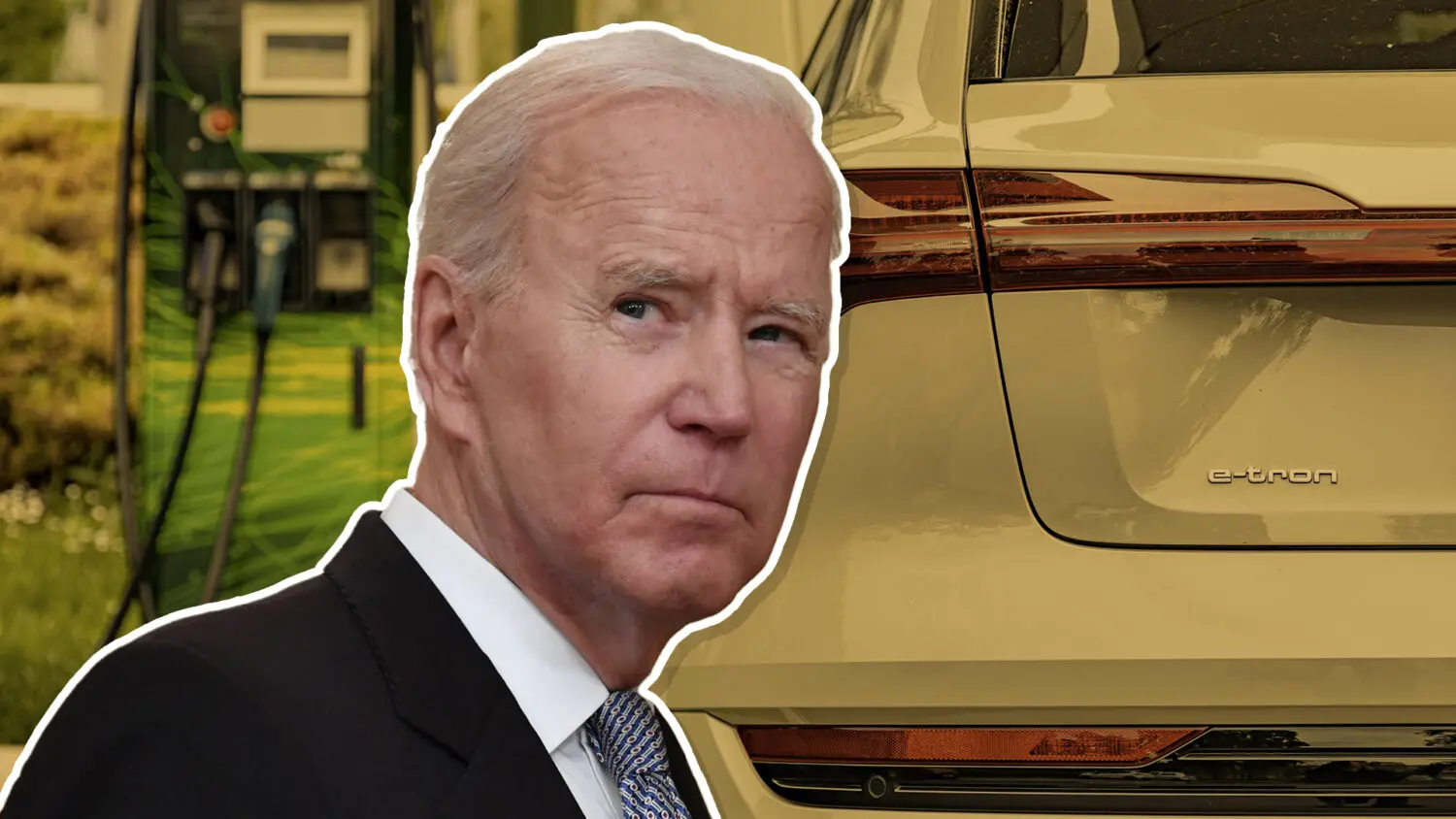
Biden EPA emissions rules

Image Source: CNN

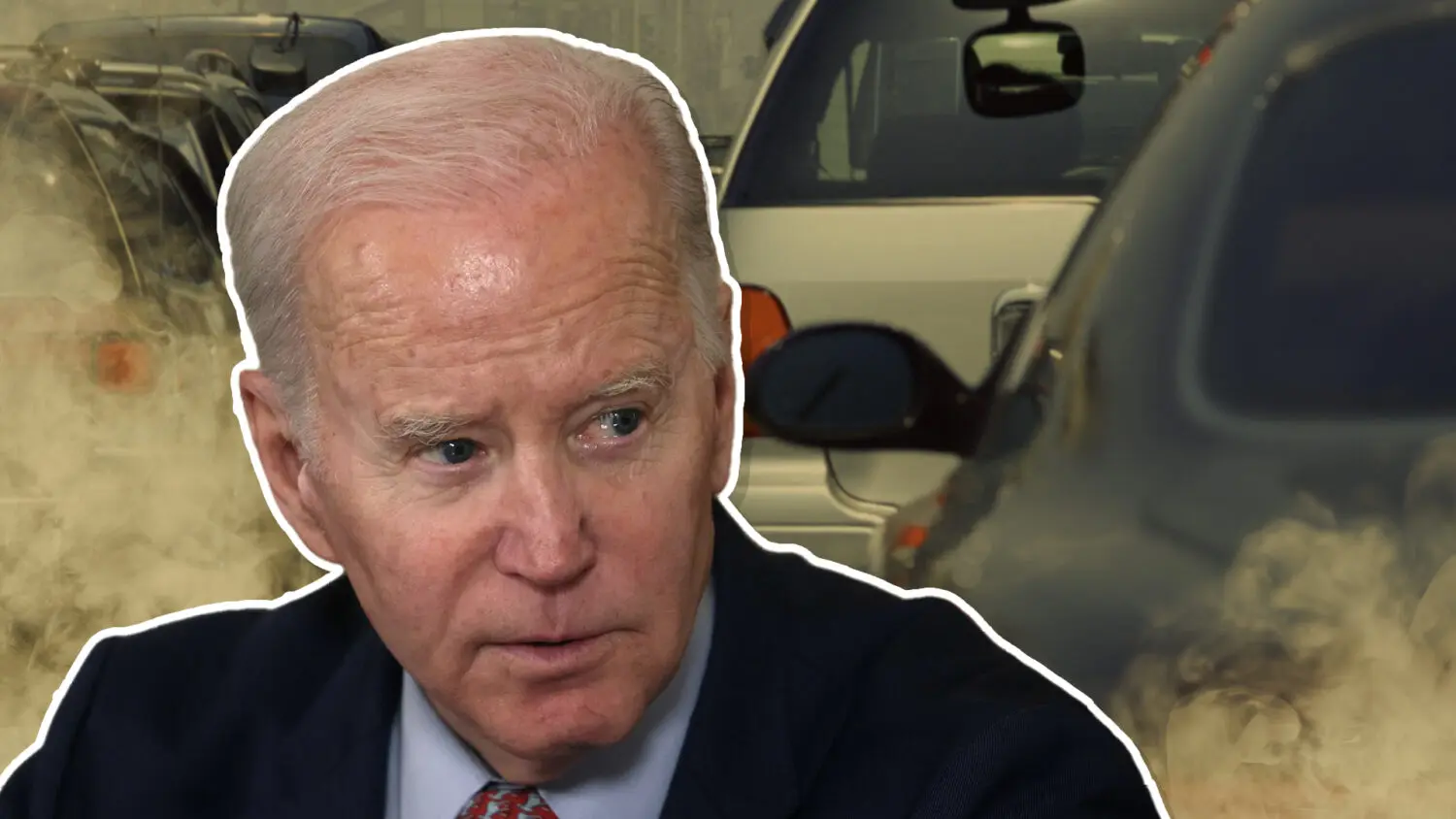
The Biden Administration is planning to unveil strict emissions rules in Detroit on April 12.

The new standards, written by the Environmental Protection Agency (EPA), are part of the President’s efforts to address pollution and meet the goals of the Paris Agreement on climate change. While the policies are still under review, they are likely to place never-before-seen restrictions on light vehicle tailpipe emissions such as carbon dioxide and nitrogen oxide, and will apply to cars made from 2027 to 2032.

Despite such laws passing in several states and in Europe, the Biden Administration has not indicated it will ban gas-powered models at any point in the future. Up till now, the President has instead sought to encourage the abandonment of fossil fuels through incentives targeting electric vehicles, such as the $7,500 tax credit, with the goal of replacing 50% of all car sales with EVs by 2030. However, as automakers continue to warn that a full-scale EV transition is impossible without the proper support, the government is seeking to limit greenhouse emissions until enough infrastructure can be built to meet its climate goals.

Alongside the new restrictions, the EPA plans to introduce similar rules for larger vehicles, such as trucks and semis. Both sets of emissions standards will be performance based, restricting pollution on a per-mile basis. Although the agency has refused to offer specifics, it has said the new policies will “support the transition to a zero-emissions transportation future, protecting people and the planet.”

Read More
More from Articles
The auto industry's quiet power grab – nobody's connecting these dots

The auto industry’s quiet power grab – nobody’s connecting these dots

- July 29, 2026
Last night, my Ford Bronco did what millions of modern vehicles now do without a second thought—it installed an automatic software update. The next morning, I discovered something I never...
Ford raises 2026 profit outlook despite tariffs, EV charges and production disruptions

Ford raises 2026 profit outlook despite tariffs, EV charges and production disruptions

- July 29, 2026
On the Dash: Ford raised its 2026 profit guidance, signaling confidence in consumer demand despite ongoing headwinds. Truck and hybrid demand continue to drive pricing power, while EV losses narrowed...
Trump bans new Chinese robots, power inverters over national security concerns

U.S bans new Chinese robots, power inverters over national security concerns

- July 29, 2026
On the Dash: The latest restrictions reinforce the administration's push to reshore advanced manufacturing and critical technology production. Increased scrutiny of Chinese technology could further reshape automotive supply chains and...
BMW to slash 8,000 jobs in Germany as China sales slump

BMW to slash 8,000 jobs as China sales slump weighs on outlook

- July 29, 2026
On the Dash: BMW plans to cut about 8,000 jobs globally, mostly in Germany, through a voluntary severance program that spares production roles.  The cuts follow June's profit warning...
CBT News
Privacy Overview

This website uses cookies so that we can provide you with the best user experience possible. Cookie information is stored in your browser and performs functions such as recognising you when you return to our website and helping our team to understand which sections of the website you find most interesting and useful.