TSLA408.365-13.875%
GM74.070-0.79%
F13.175-0.225%
RIVN13.280-0.51%
CYD49.760-0.24%
HMC25.221-0.9595%
TM187.320-3.36%
CVNA66.250-0.92%
PAG159.900-2.28%
LAD266.9004.98%
AN184.3100.16%
GPI317.2993.6789%
ABG179.1700%
SAH73.100-0.86%
TSLA408.365-13.875%
GM74.070-0.79%
F13.175-0.225%
RIVN13.280-0.51%
CYD49.760-0.24%
HMC25.221-0.9595%
TM187.320-3.36%
CVNA66.250-0.92%
PAG159.900-2.28%
LAD266.9004.98%
AN184.3100.16%
GPI317.2993.6789%
ABG179.1700%
SAH73.100-0.86%
TSLA408.365-13.875%
GM74.070-0.79%
F13.175-0.225%
RIVN13.280-0.51%
CYD49.760-0.24%
HMC25.221-0.9595%
TM187.320-3.36%
CVNA66.250-0.92%
PAG159.900-2.28%
LAD266.9004.98%
AN184.3100.16%
GPI317.2993.6789%
ABG179.1700%
SAH73.100-0.86%

Audi, Kia, Porsche EVs will lose US tax credit eligibility under new law

tax credits

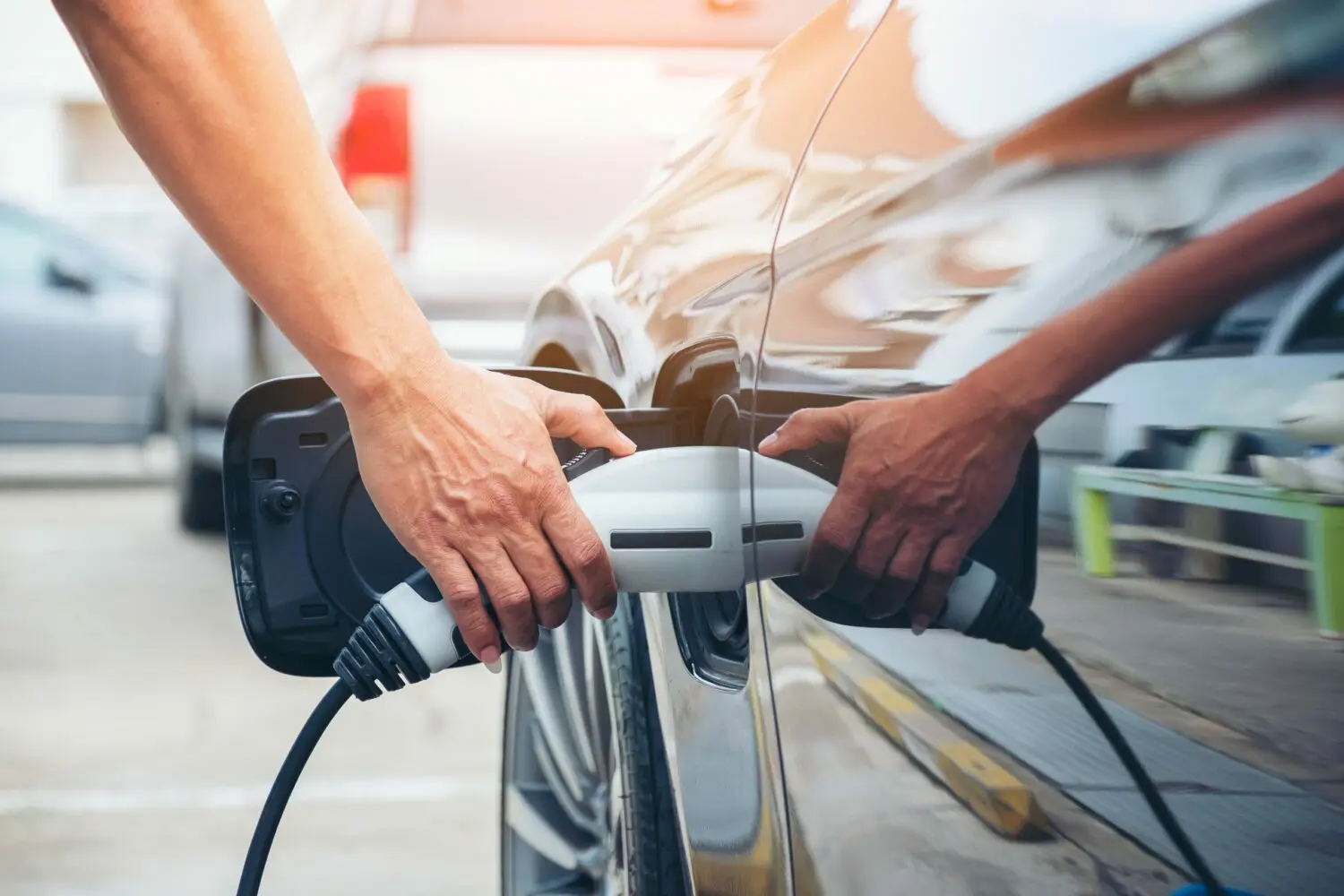
Automakers including Audi of AmericaKia, and Porsche said that buyers of their electric vehicles would lose access to federal tax credits worth up to $7,500 once President Joe Biden signs the Inflation Reduction Act into law sometime this week.

The bill makes any electric vehicle assembled outside North America ineligible for tax credits and has drawn criticism from domestic and foreign automakers as well as the European Union. The bill does allow credits for customers with binding contracts for vehicles not yet delivered when Biden signs the legislation.

Kia has confirmed it sent a letter to its franchise dealers urging them to reach out to customers on their waiting lists and recommending they enter into contracts before Biden signs the bill.

The letter also stated that the bill means all its EV and plug-in vehicles will no longer qualify for tax credits without written binding contracts in place. The company said the sudden change in EV tax policy was “very disruptive to our business and unfortunately for our customers.”

VW-owned Porsche said on Friday that buyers of its electric Taycan and plug-in hybrid Cayenne and Panamera vehicles would immediately lose eligibility after signing the bill.

The Alliance for Automotive Innovation, representing VW, General Motors, Toyota, and Ford, among others, said last week that the law would make 70% of 72 U.S. electric, plug-in hybrid, and fuel-cell EVs that currently qualify ineligible for tax credits.


dealersDid you enjoy this article? Please share your thoughts, comments, or questions regarding this topic by connecting with us at newsroom@cbtnews.com.

Be sure to follow us on Facebook, LinkedIn, and TikTok to stay up to date.

While you’re here, don’t forget to subscribe to our email newsletter for all the latest auto industry news from CBT News.

More from Articles
Used-vehicle inventory rebounds in April as prices continue climbing

Used-vehicle inventory rebounds in April as prices continue climbing

- May 18, 2026
On the Dash: Used inventory improved in April, but supply remains historically tight and below year-ago levels. Rising listing prices indicate consumer demand continues to outpace available inventory. Affordable used...
GM launches Collision Assistance tool across brand mobile apps

GM launches Collision Assistance tool across brand mobile apps

- May 18, 2026
On the Dash: GM is expanding its digital ownership tools, which could strengthen long-term customer retention and service engagement. Dealership collision centers inside the GM Collision Repair Network may benefit...
Tesla hikes Model Y prices in U.S. market

Tesla hikes Model Y prices in U.S. market

- May 18, 2026
On the Dash: Tesla continues to adjust EV pricing as automakers balance demand, margins, and inventory strategies. Higher Model Y pricing could impact EV affordability and competitive positioning in the...
Mercedes-Benz CEO tells WSJ automaker is open to defense production

Mercedes-Benz CEO tells WSJ automaker is open to defense production

- May 18, 2026
On the Dash: Mercedes-Benz CEO Ola Källenius says the company's precision engineering makes it a natural fit for military hardware production. Other European automakers, including Volkswagen and Rheinmetall, are expanding...
CBT News
Privacy Overview

This website uses cookies so that we can provide you with the best user experience possible. Cookie information is stored in your browser and performs functions such as recognising you when you return to our website and helping our team to understand which sections of the website you find most interesting and useful.