Tire replacement is an inevitable part of life for most vehicle owners, and when the time comes, they want to purchase a set of tires that offers the perfect balance of quality, performance, affordability, and reliability. Service departments can help ensure that customers aren’t just buying the right tires – but providing added value that increases customer satisfaction and leads to repeat business when it’s time for the next new set.
There are four key practices service departments should consider to keep their customers’ tires performing optimally: inspection at installation, look for warning signs of wear during regular service, offer at-home advice, and know when to recommend the next replacement set.
Inspection at installation
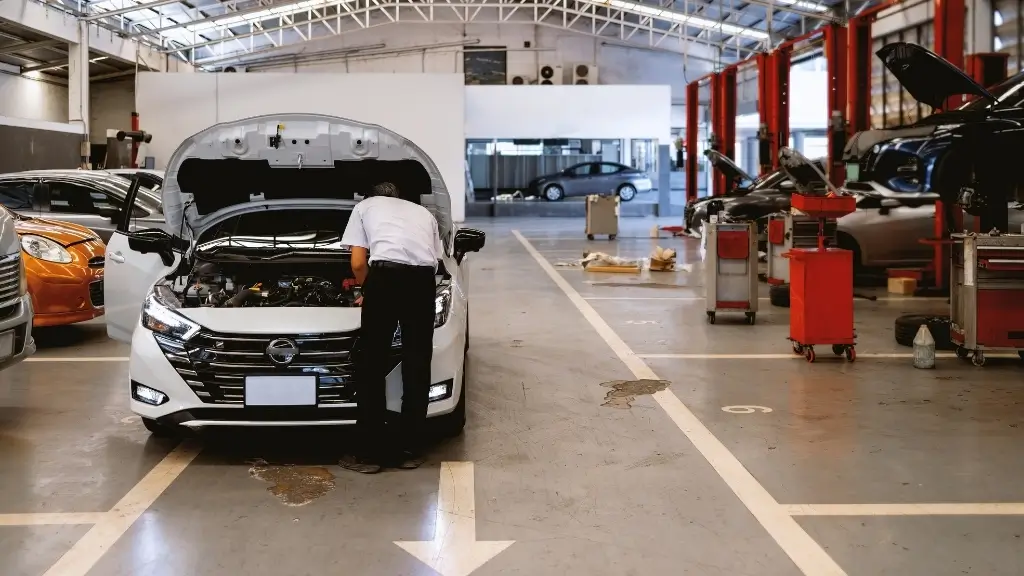
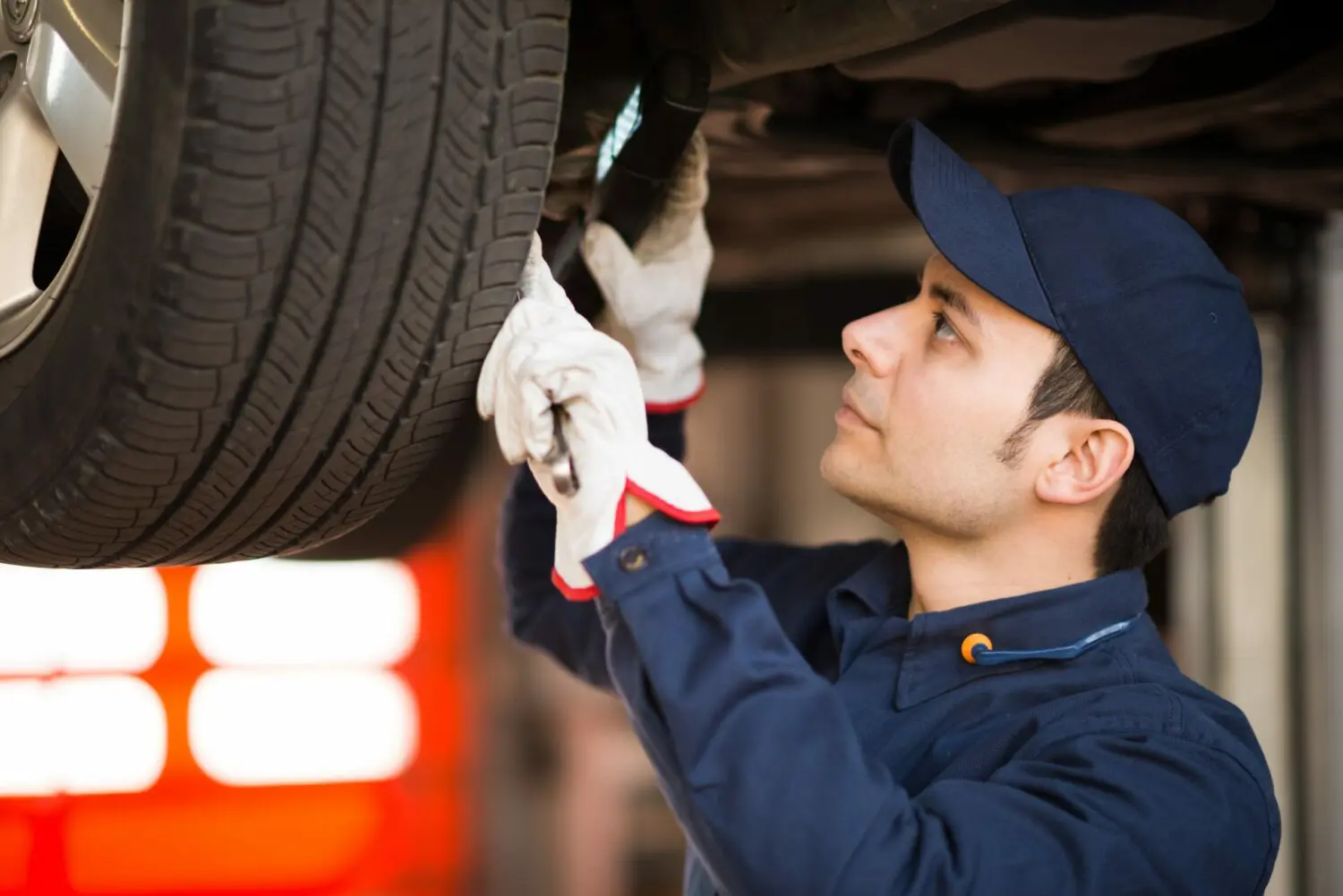
While most tire wear occurs gradually over time, any worn or damaged components on the vehicle could be accelerating the process and reduce the life of a new set of tires. That’s why service teams should include a full inspection of the vehicle’s steering, suspension, braking, and alignment when installing the new tires. Any issues with these critical mechanical components, such as uneven brake wear, alignment out of specification, or worn suspension could lead to uneven or accelerated wear on the new tires, reducing their usable life.
In the event that additional components need to be repaired or replaced, it’s important to provide the customer a complete picture of why these fixes need to be made and their impact on the new tires to be installed. This will demonstrate that the work now will maximize their tire investment – not to mention to prevent any costlier repairs in the future.
| Related: From a tech’s perspective: How to increase service sales |
Look for warning signs of wear during service visits
When the vehicle returns for its regular service and inspection, pay close attention to factors that could impact tire wear. For example, check to see if the vehicle is due for a tire rotation: warranty guidelines typically recommend 7,500 miles between rotations, but a 5,000-mile interval is most ideal to maximize the tires’ lifespan.
Alignment should be checked every 10,000 miles, but any incident that could move it out of specification, such as an accident, bumping a curb, or hitting a large pothole should necessitate a check sooner than that. Ask the driver if they’ve noticed any signs of an alignment issue, or if they’ve been involved in any incidents that might require an alignment check, even if there’s no visible damage to the vehicle’s exterior.
Offering at-home advice
Customers always appreciate useful care instructions for their car, whether it’s on the day they buy it or during regular service appointments. Service teams can provide similar tips to ensure drivers get the best out of their new tires.

First, make sure your customers know how and when to check their tire pressure. Advise them to check and adjust the pressure every month, before long trips, and when there are drastic swings in ambient air temperature. Proper pressure ensures optimal fuel economy, and tires with lower-than-recommended PSI could fail prematurely due to a buildup of heat.
Driving tips can also help extend the tires’ lifespan. While many of us are confident in our driving abilities, it may be helpful to remind customers that gentle acceleration, braking, and steering inputs are ideal to ensure the longest tire life.
For added value, consider creating a branded care guide for customers to keep in their glove compartment. This could include driving tips, instructions for checking and adjusting pressures, and a page to track inspections and mileage.
Advise when replacements are needed
From the day of purchase, your customers should know what to expect when it’s time for the next new set. Advise them that, while they should have several years of good life on the current set, they will need a replacement once a tire’s tread is worn down to 2/32”. Driving on tires with poor tread depth can increase the risk of hydroplaning or sudden tire failure.
Stay on top of the overall condition and tire life during inspections, and keep customers in the loop when the end of a tire’s usable life begins to near. Few customers enjoy an unexpected expense: they are more likely to appreciate an early warning so that they can plan to purchase a new set.
Many of today’s tires are designed and engineered to go the distance, with advanced compounds and technology extending tire life and enhancing a vehicle’s overall performance. Service departments can help maximize the lifespan of these tires with a combination of regular checks and guidance for customers. Doing so can help get the most of their purchase, and ensure repeated business for years to come.
Did you enjoy this article from Daniel Brown? Please share your thoughts, comments, or questions regarding this topic by submitting a letter to the editor here, or connect with us at newsroom@cbtnews.com.
Be sure to follow us on Facebook and Twitter to stay up to date or catch-up on all of our podcasts on demand.
While you’re here, don’t forget to subscribe to our email newsletter for all the latest auto industry news from CBT News.