On the Dash:
- The 10% global tariff will not apply to passenger vehicles, certain trucks, or auto parts.
- Steel, aluminum, and auto-specific tariffs remain in effect, continuing to put upward pressure on costs.
- Policy volatility continues, reinforcing the need for inventory and pricing flexibility.
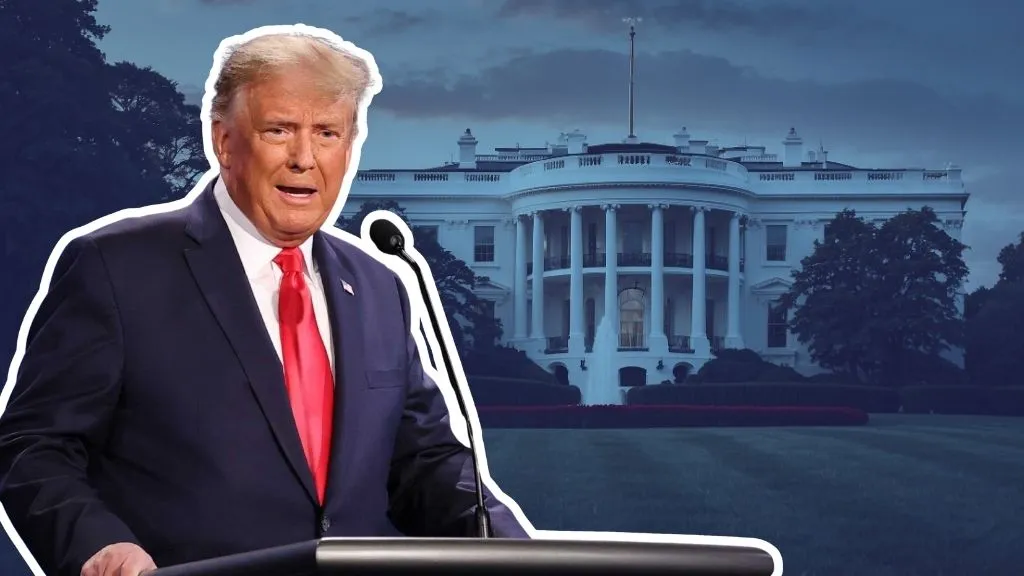
Detroit automakers were spared from a new 10% tariff imposed Friday night by President Donald Trump after the U.S. Supreme Court struck down most of his broader global duties.
Trump announced a flat 10% levy on foreign goods scheduled to take effect on Tuesday. However, a White House fact sheet clarified that passenger vehicles, certain trucks, and auto parts will not be subject to the new duty, providing immediate relief to manufacturers and dealers concerned about additional cost pressures.
The exemption comes as automakers already face billions of dollars in added expenses tied to Trump’s existing tariffs, particularly those targeting imported autos and car parts. Separate levies on steel and aluminum also remain in place, continuing to affect supply chains and production costs across the industry.
Those sector-specific tariffs were implemented under a law that grants the president authority to impose import taxes on national security grounds. They were not affected by the Supreme Court’s decision striking down Trump’s broader import taxes imposed on many countries.
Earlier Friday, the American Automotive Policy Council, which represents the Detroit Three, sent a letter to Trump’s trade team seeking to preserve a framework designed to protect automakers from paying multiple import taxes on vehicles and parts, according to a person familiar with the matter.
Last April, Trump signed a pair of directives aimed at easing the impact of automotive tariffs, including measures to prevent multiple levies from stacking.