On the Dash:
• U.S. and Canada plan in-person trade talks in coming weeks.
• Trump administration reviewing USMCA ahead of July 1 deadline.
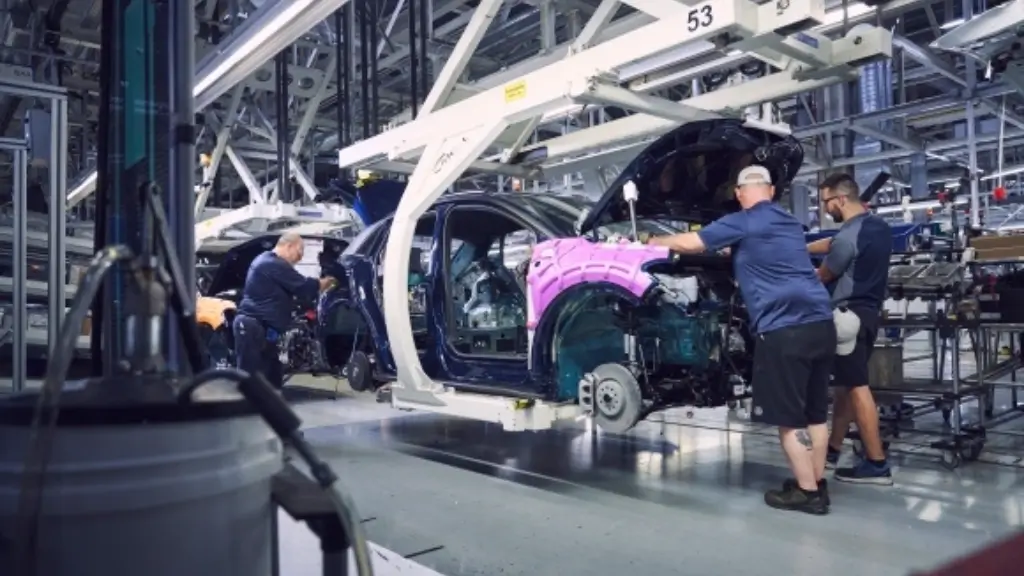
• Auto supply chains could be affected by tariff and protocol changes.
U.S. and Canadian officials are preparing for a potential in-person meeting in Washington in the coming weeks as the Trump administration weighs changes to the United States-Mexico-Canada Agreement, a development closely watched by the auto industry.
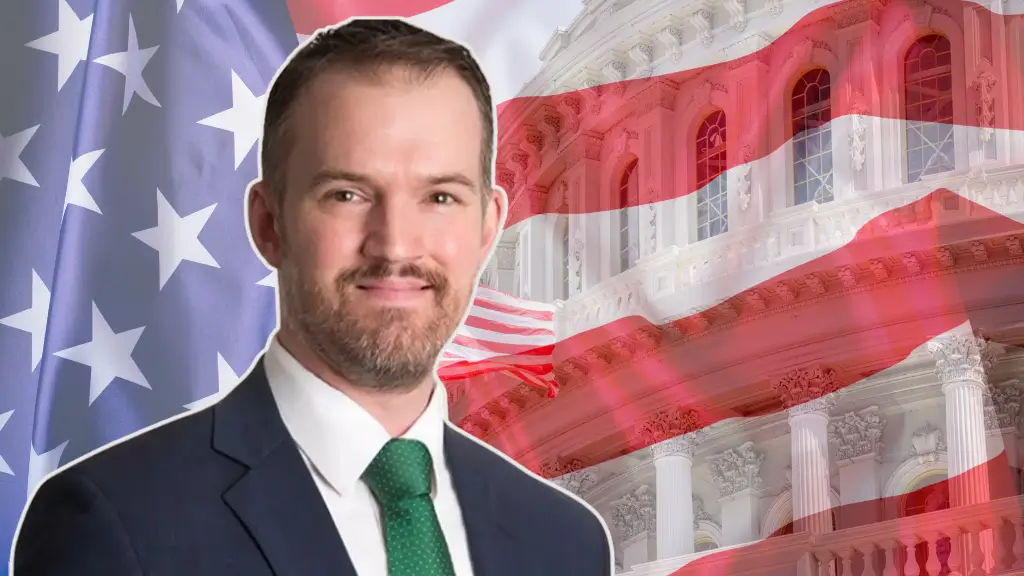
U.S. Trade Representative Jamieson Greer said Wednesday that he spoke with his Canadian counterpart and expects to meet in Washington “in a couple weeks.” A spokesperson for Canada-U.S. Trade Minister Dominic LeBlanc confirmed to Reuters that both sides have held several informal discussions in recent days about a possible meeting in the near future.
Greer said the administration is open to Canadian proposals on how to reach an agreement. He indicated that Ottawa has floated ideas for a potential deal and that Washington is willing to listen.
Tensions between the two countries have intensified in recent months as President Donald Trump’s administration reviews the USMCA pact enacted during his first term. The White House faces a July 1 deadline to notify Congress if it plans to alter the agreement.
For automakers and suppliers operating across North America, the review carries significant implications. Greer told Bloomberg Television that the U.S. would continue separate negotiations with Canada and Mexico over the coming year because the relationships differ substantially. He suggested one possible approach could involve adding separate protocols for each country to address gaps in the current agreement.
Greer emphasized the administration’s focus on reshoring automotive and other manufacturing supply chains. He said progress under the existing pact has not moved quickly enough and raised concerns about potential tariff circumvention involving China.
“We don’t want a situation where Canada’s being used as a back door for Chinese goods,” he told CBC on Tuesday.
Greer also signaled that tariff adjustments could be part of future discussions.
“If Canada wants to agree that we can have some level of higher tariff on them while they open their markets to us on things like dairy and other things, then that’s a helpful conversation,” Greer added.
The Trump administration has previously indicated it could withdraw from the USMCA and pursue separate bilateral agreements with Canada and Mexico. LeBlanc’s spokesperson said he will continue working with Greer on a joint review of the pact.
For the automotive sector, the outcome of these talks could affect rules of origin, cross-border production flows and long-term investment decisions. North America’s tightly integrated supply chains depend heavily on stable trade policy, particularly for vehicles and components that move multiple times across borders before final assembly.
With a congressional notification deadline approaching and formal meetings expected soon, industry stakeholders are closely monitoring whether negotiations lead to targeted revisions, supplemental agreements or broader structural changes to the region’s trade framework.