

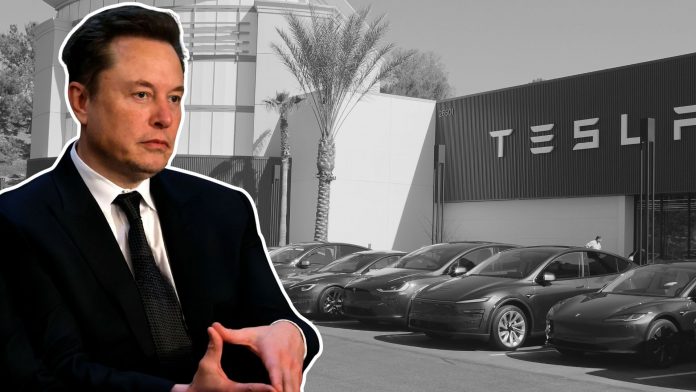
Tesla reported a 16% year-over-year decline in second-quarter net income, driven by a sharp drop in automotive sales and a notable decrease in carbon credit revenue. With Q2 deliveries down 13.5%, total revenue fell 12% to $22.5 billion, and automotive revenue slipped 16%. The loss of regulatory credits and the ongoing phaseout of U.S. EV incentives have hit the company’s profitability. CEO Elon Musk told investors that while more rough quarters may lie ahead, Tesla is banking on growth from autonomy and a new, more affordable Model Y. Meanwhile, Tesla’s robotaxi service, currently being piloted in Austin, is expected to expand to half of the U.S. by year-end, pending regulatory approval.
Here’s why it matters:
Tesla’s sales slowdown and changing EV incentive landscape signal a shifting retail environment for all dealers, especially those selling EVs. As federal tax credits expire and carbon credit markets shrink, EV affordability could decline, softening consumer demand. Dealers competing with Tesla or offering EV alternatives should watch how Tesla’s pricing, model refreshes, and autonomy efforts affect consumer expectations. Further, Tesla’s robotaxi push could introduce a new competitive dynamic in the mobility services market, particularly in high-volume areas.
Key Takeaways:
- Profits and deliveries decline sharply:
Tesla reported $1.17 billion in net income for Q2, down 16% from a year ago, as vehicle deliveries dropped 13.5% to 384,122 units. - Automotive revenue fell 16% YoY:
Total quarterly revenue declined 12% to $22.5 billion, primarily due to a decline in automotive sales and reduced demand for Tesla’s energy products. - Loss of incentives and regulatory credits hurt margins:
Tesla’s carbon credit revenue dropped by more than half to $439 million. These credits, along with the $7,500 consumer EV tax credit, are being phased out under new federal rules. - Model refreshes and price cuts aim to reignite demand:
The automaker updated the Model Y, Model S, Model X, and introduced a lower-cost Cybertruck variant to revive sales amid growing EV competition. - Robotaxi expansion signals strategic shift:
Tesla launched a limited robotaxi service in Austin and plans to expand to half the U.S. population, betting that autonomy will drive future growth despite current financial headwinds.
This snapshot of Tesla’s Q2 results highlights broader shifts in EV demand, pricing pressure, and policy risks that car dealers across all brands must prepare for.