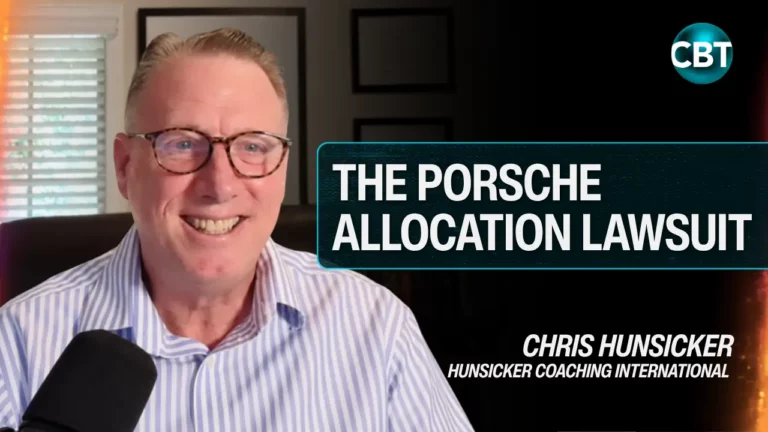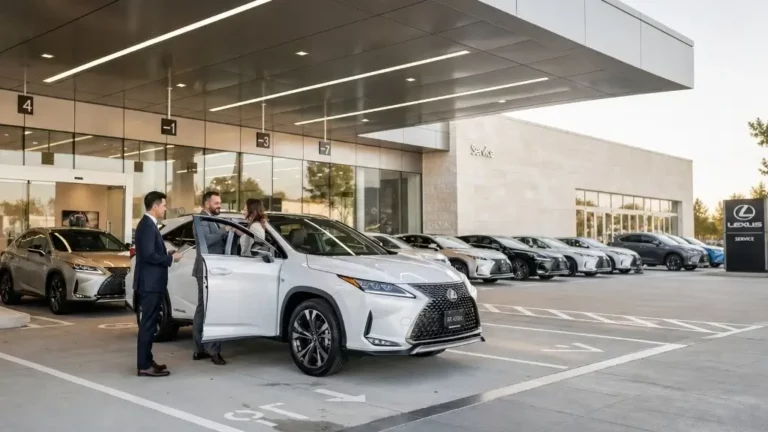
A lawsuit involving Porsche has put the cost of franchise requirements and automakers’ control over vehicle allocation in the spotlight. Chris Hunsicker, President of Hunsicker Coaching International, joins us on today’s CBT Live segment to explain how dealers must weigh the financial consequences of meeting manufacturer demands against the potential costs of declining to invest, while recognizing that litigation can damage long-standing business relationships.
Dealers evaluating manufacturer facility requirements should weigh the cost of compliance against the potential cost of declining to invest, Hunsicker said. Discussing the Porsche dispute involving dealer group The Collective, he recommended examining construction costs, expected sales, gross profit and 10-year returns. He also urged dealers to consider how a franchise could generate additional business across other brands before deciding whether an investment makes financial sense.
Hunsicker warned that litigation can damage dealer relationships with automakers and jeopardize future opportunities. Manufacturers expect dealers to meet facility and customer experience standards, but dealers must also protect their own business interests. He said successful partnerships require balancing competing needs, establishing non-negotiable priorities and building strong employee relationships to help teams navigate changes imposed by manufacturers.
Looking ahead to 2027, Hunsicker identified AI and margin pressure as key challenges. He said AI investments should improve employee efficiency or the customer experience, warning that tools without either benefit can become costly distractions. As market conditions change, dealers must also reassess outdated strategies, strengthen their leadership skills and identify opportunities to improve profitability, customer satisfaction and employee retention.