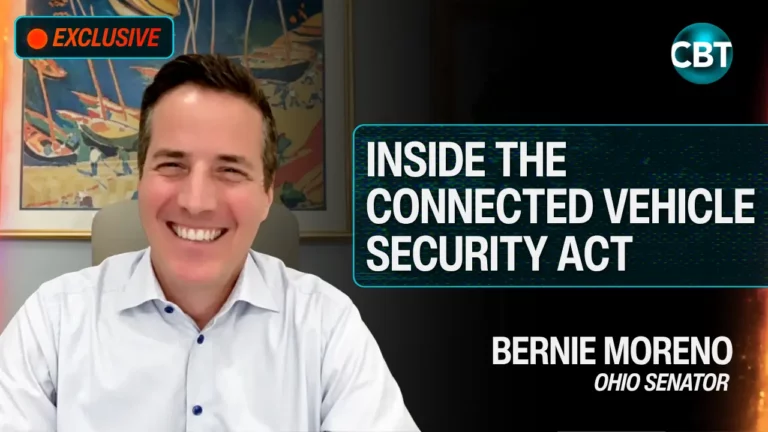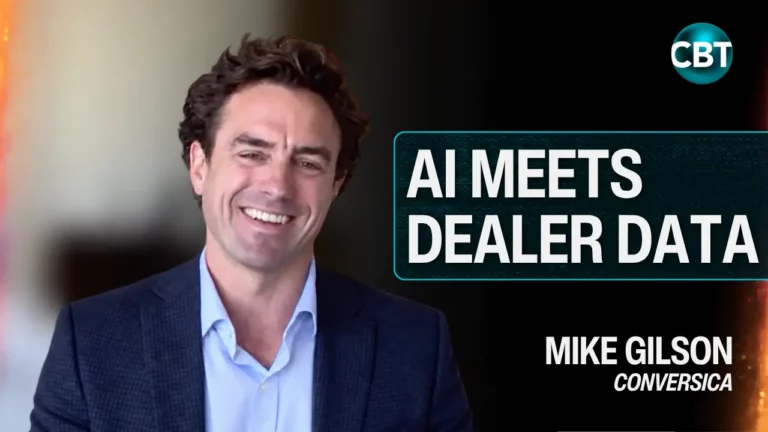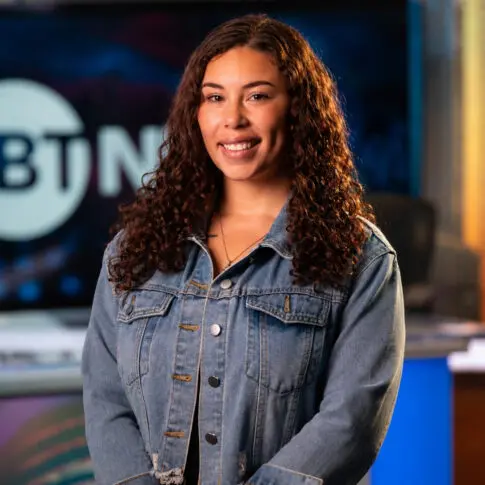
The Connected Vehicle Security Act is entering a critical stretch in Congress, with lawmakers facing a limited legislative window to advance legislation that restricts connected vehicles and related technology from countries designated as foreign entities of concern. Sen. Bernie Moreno, R-Ohio, joins us on CBT Live to discuss where the bill stands and what comes next for the auto industry.
Although the bill has already cleared a key Senate hurdle, Moreno says the next challenge is aligning the House and Senate on the legislation. Since the bill passed the Senate Commerce Committee unanimously on July 22 and was later placed on the Senate Legislative Calendar, Moreno said the compressed legislative calendar makes consensus particularly important. He said there is no fast track, and if Congress doesn’t pass the bill by the end of the year, the process starts over. He pointed to Sen. Elissa Slotkin and House members John Moolenaar, Debbie Dingell and Brett Guthrie as important participants in the effort to move the legislation forward.
Additionally, the legislation has brought together automakers, dealers and organized labor around concerns about connected vehicle technology and foreign influence in the U.S. auto market. Moreno highlighted support from the UAW, Teamsters, United Steelworkers and automakers including Toyota, Ford, GM and Honda. According to the Senate version, the bill would prohibit the importation, manufacture, sale, resale, or introduction into interstate commerce of connected vehicles and related software and hardware tied to foreign adversaries.
Notably, Moreno said the legislation is not intended to target a specific American automaker and instead uses the existing designation of a foreign entity of concern, which he said U.S. intelligence agencies determine and which currently covers China, Russia, Iran and North Korea.
For dealers, Moreno says the immediate focus should be on the legislation’s remaining path through Congress and the potential implications for franchise values and the competitive landscape. He urged dealers to follow the bill closely and engage with their congressional representatives as the House and Senate work toward alignment, though he noted that outreach should wait until after the elections, when lawmakers are less focused on campaigning.
Nevertheless, the legislation remains pending in Congress, meaning its provisions are not yet law. The bill till awaits a full Senate floor vote and action in the House.