
On the Dash:
- In November 2025, new light-vehicle sales fell 5.5% year-over-year, continuing a two-month decline.
- BEV market share dropped to 5.1% following EV tax credit expiration, while EV incentives remain high.
- Average new-vehicle prices and monthly payments hit record levels, but rising used-vehicle values help buyers.
New light-vehicle sales in November fell year-over-year for the second consecutive month in a row, according to the National Automobile Dealers Association’s latest Market Beat report. The November SAAR was 15.6 million units, a 5.5% decrease from a year ago. However, it was a slight increase compared to October’s SAAR of 15.3 million. The retail automotive industry is still grappling with the lingering effects of a massive surge of pull-ahead purchases, as customers rushed to showrooms before the expiration of the federal EV tax incentives and tariff-related price increases.
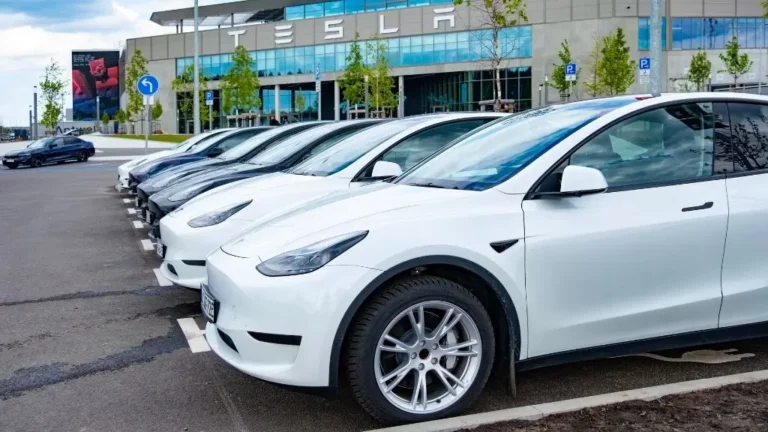
November was the second full month after the expiration of federal EV incentives, and battery-electric vehicle sales continued to decline as consumer demand slowed. In November, BEVs accounted for 5.1% of new vehicles sold, down from its all-time high of 11.3% in September. Automakers continue to offer high discounts on EV units to stimulate demand, with J.D. Power estimating that the average EV incentive was $11,869 in November.
Along with slowing consumer demand, affordability pressures continue to plague the market. In November, the average transaction price was $46,029, up $722 year over year. Average new-vehicle monthly payments hit an all-time high of $760, the highest November recorded.
Despite the slowdown, early-year strong sales performance offsets the Q4 pullback. NADA anticipates that the industry will finish strong, closing out the year at over 16 million units.