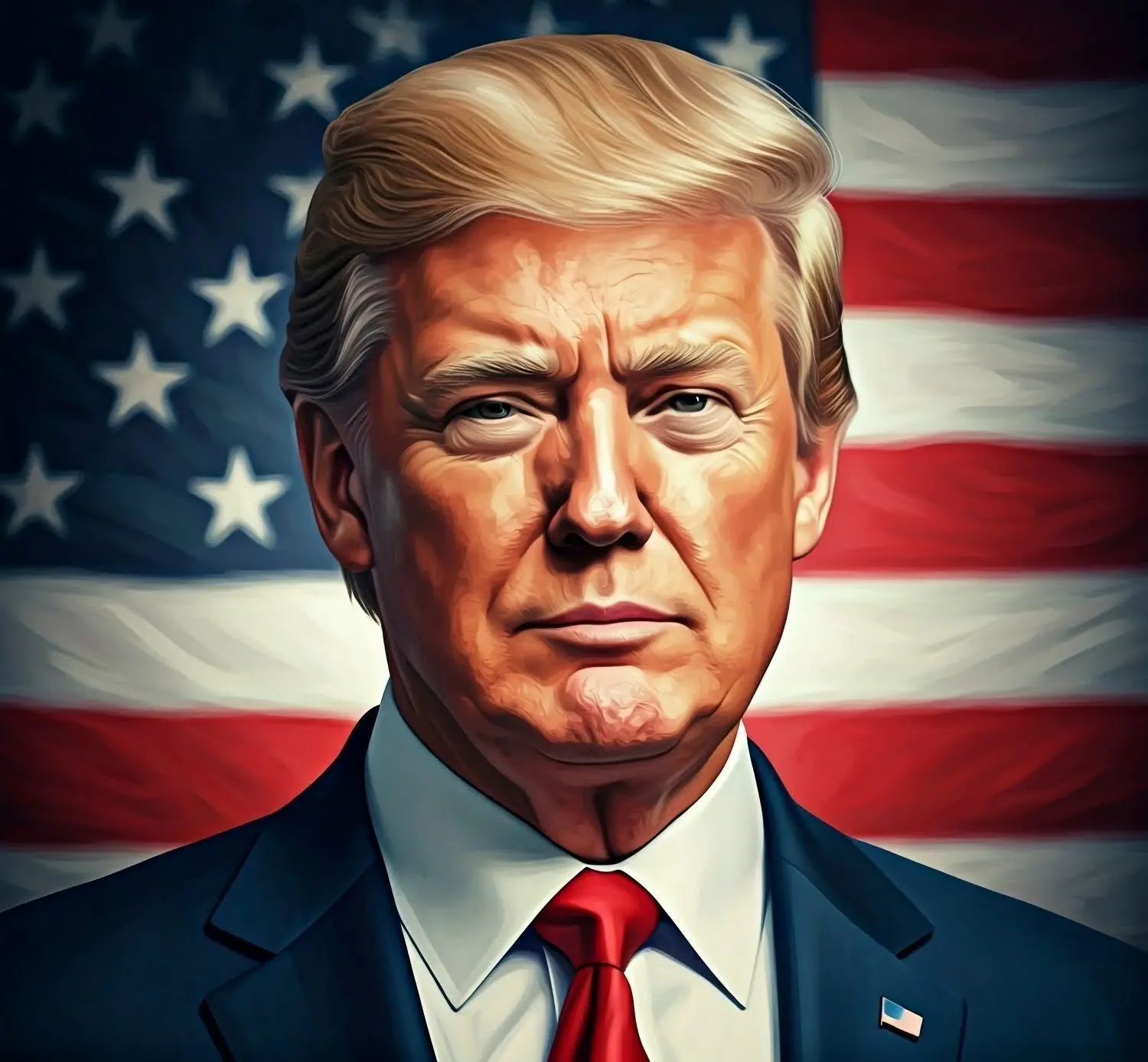
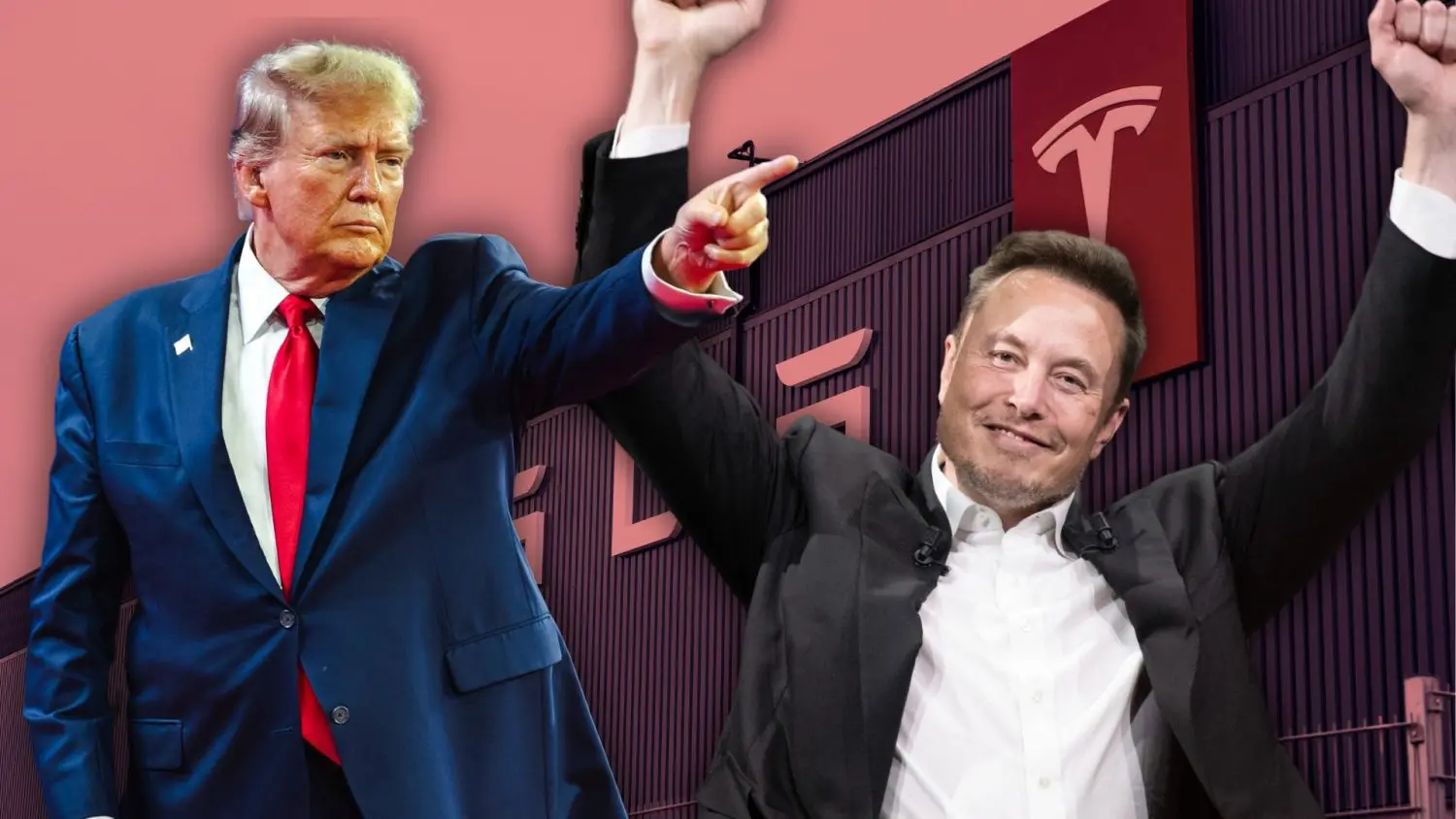
Elon Musk reportedly contributed a whopping $119 million to a pro-Trump group. Although he first publicly endorsed Donald Trump on July 13, his support for the candidate started long before.
Musk’s large contributions to Trump’s campaign not only provided solid backing to the candidate’s get-out-the-vote effort but also garnered him favor from the candidate. This favor could potentially translate into favorable policies and regulations for Musk’s companies in the automotive industry.
According to sources close to him, Musk sees government regulations as an impediment to innovation. If he strengthens his ties with the Trump administration, he can exert more influence in reshaping the current regulations so that he can expedite his business goals and innovate more freely. This significant $119 million contribution could not only benefit his companies by minimizing regulatory barriers and increasing government support but also pave the way for a more innovative and successful future for Tesla.
Many of Musk’s business ventures, such as Tesla, SpaceX, and Neuralink, depend heavily on government regulations, subsidies, and policy.
If implemented, his ‘pro-innovation, anti-regulation’ philosophies could significantly reshape the automotive industry, potentially leading to a more innovation-friendly regulatory environment. However, they do raise concerns about balancing innovation and safety standards within the industry.
Musk’s push to minimize automotive safety regulations could provide Tesla with a major break after facing public scrutiny regarding the safety of its drive-assistance systems. The U.S. National Highway Traffic Safety Administration (NHTSA) launched an investigation into Tesla’s Autopilot and Full-Self Driving programs in 2021 and reported 467 crashes that led to 54 injuries and 14 deaths. He hopes to delay the NHTSA from enacting enforcement and open a window of opportunity for Tesla to innovate faster.
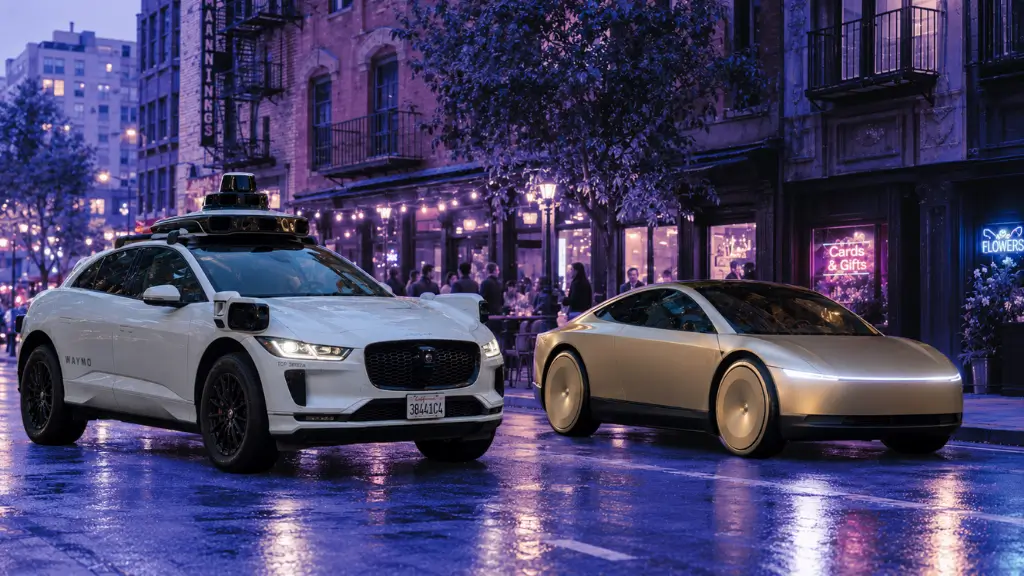
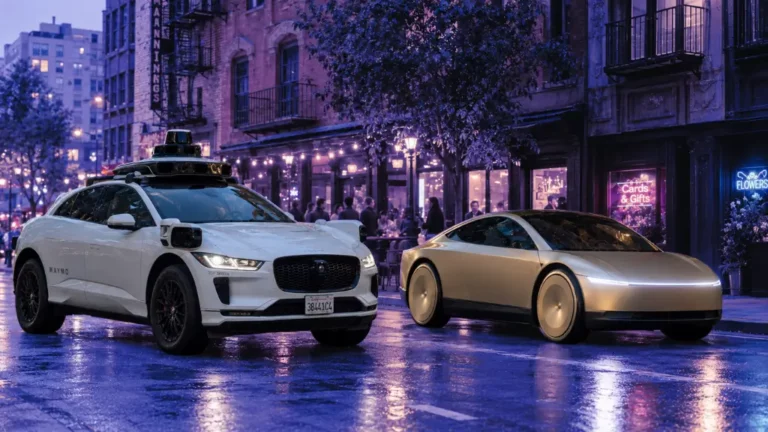
Musk also advocates for unified federal regulations to replace the state-by-state autonomous vehicle approval process. He hopes that a Trump administration can establish a streamlined set of autonomous-driving regulations that will provide Tesla with a notable boost as they prepare to roll out driverless Teslas next year and launch production in 2026 on their fully autonomous Cybercab (which will require a waiver from the NHTSA).
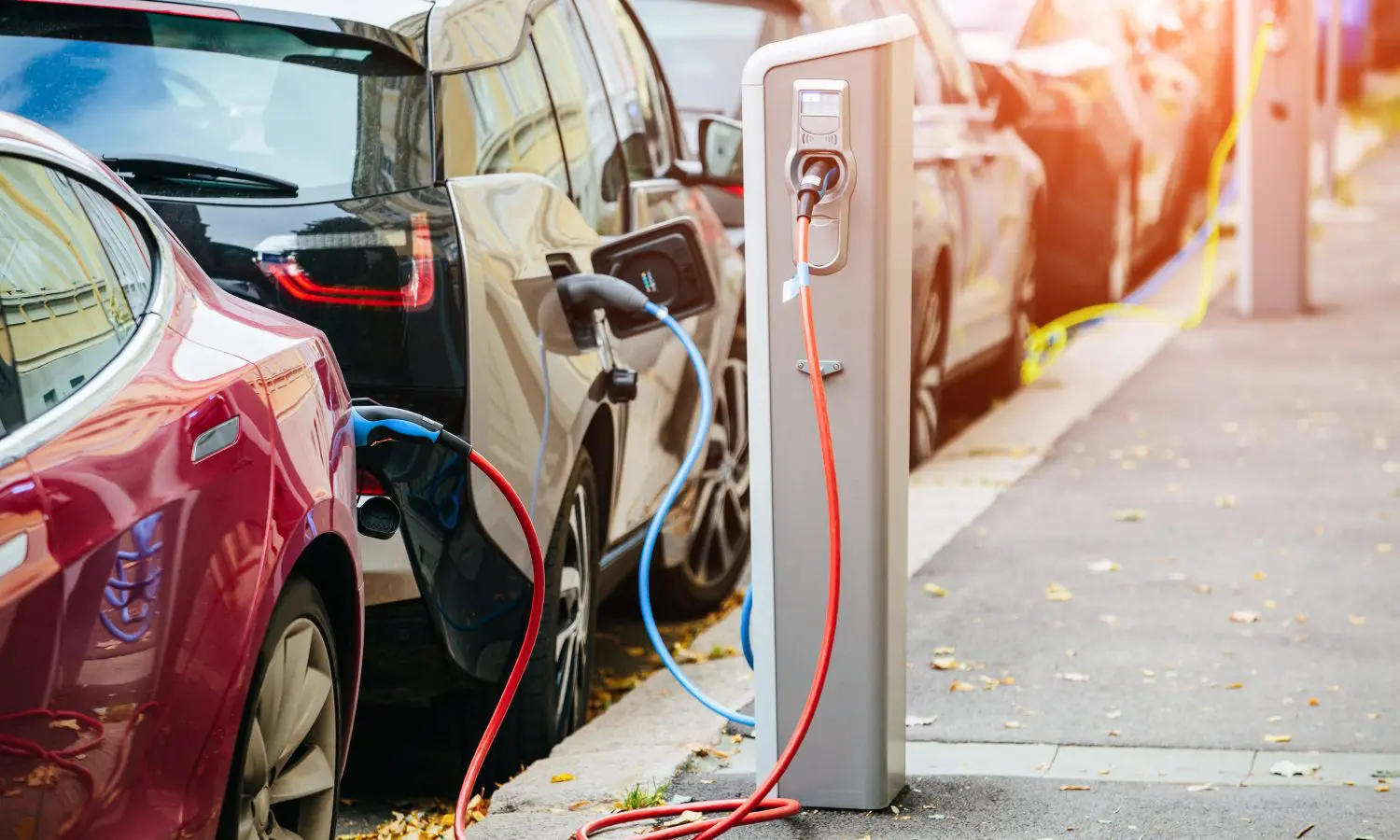
Also, despite being excluded from the August 2021 EV summit under the Biden administration, Musk will benefit from more favorable policies under Trump. A second Trump term might continue or even increase government support for electric vehicle (EV) production if Musk’s influence pushes the Republican administration to back the industry, despite traditional GOP skepticism toward EV incentives.
While Musk’s political maneuvering could make it easier for Tesla—and potentially other automakers—to implement advanced driver-assistance and autonomous technologies while facing fewer regulatory hurdles, it does raise crucial questions about balancing innovation with safety standards in the industry. This balance is not just a matter of policy but a fundamental concern for the safety of all road users.