

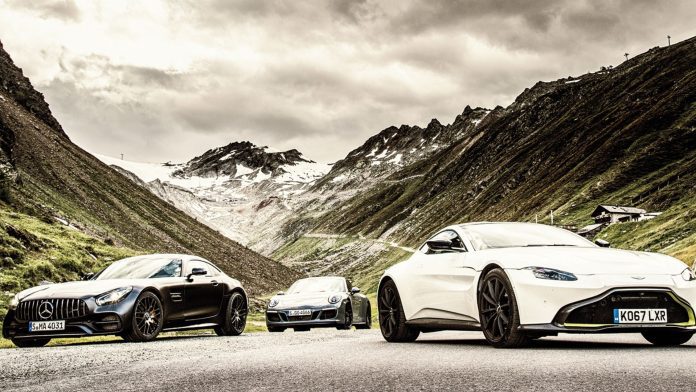
Luxury automakers Porsche, Mercedes-Benz Group, and Aston Martin are collectively absorbing an $889 million financial blow as a direct result of U.S. tariffs under President Donald Trump’s trade policies. In their latest earnings reports, the companies outlined the sweeping impact of increased import duties and shifting global demand, particularly from China.
Porsche alone cited a 400 million euro ($462 million) hit in the first half of the year, while Mercedes-Benz flagged 370 million euros in costs for Q2. Aston Martin, meanwhile, issued a broader profit warning citing the tariff situation and soft Chinese sales. The news arrives just days after a newly negotiated U.S.-EU framework agreement reduced the threat of even steeper tariffs, though automakers remain wary of lasting operational disruptions.
Here’s why it matters:
For U.S. dealers, especially those selling European luxury brands, these rising costs could eventually translate to tighter supply chains, reduced inventory, and higher sticker prices. The $889 million tariff-related impact reveals how exposed global automakers are to policy shifts in Washington. Dealers should monitor how manufacturers respond, whether by raising prices, altering North American production plans, or reducing dealer incentives. The announcement also underscores the importance of trade stability to vehicle availability and profitability on U.S. lots.
Key takeaways:
- $889M tariff impact across three brands
Porsche, Mercedes-Benz, and Aston Martin collectively reported over $889 million in costs tied to U.S. tariffs in their latest financial reports. - Porsche reports largest individual loss
Porsche said U.S. import tariffs caused a 400 million euro ($462 million) hit during the first six months of the year. - Mercedes-Benz flags Q2 tariff costs
Mercedes-Benz Group warned of roughly 370 million euros in tariff-related effects for the second quarter alone. - Aston Martin issues profit warning
The British luxury brand blamed U.S. tariffs and weak Chinese demand for disappointing performance in the June quarter. - Tariff relief may be temporary
While the new U.S.-EU trade agreement cuts auto tariffs to 15%, down from the 27.5% peak, it still imposes added costs, and carmakers caution this is “not a storm that will pass.”