On the Dash:
- Hyundai and its union resumed wage talks Monday after Friday’s first full strike in a decade
- A Tuesday walkout remains possible depending on how negotiations go
- Prior walkouts have already cost about 55,200 vehicles and more than $1.67 billion in lost production
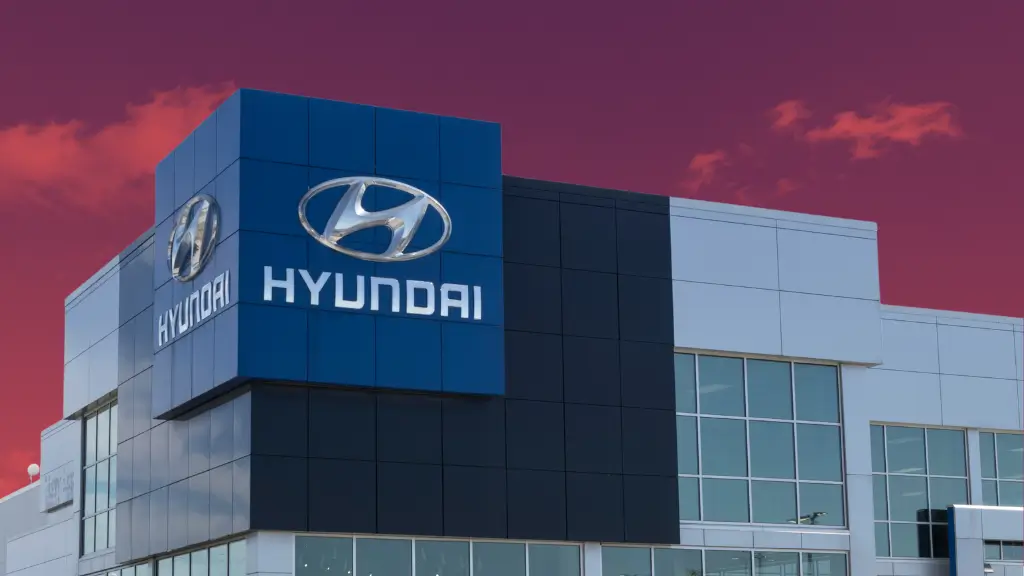
Hyundai Motor and its union resumed wage talks Monday, days after the union staged its first full-day strike in a decade over pay, retirement age and job protections against artificial intelligence. A planned partial strike for Monday was called off so talks could restart, though a walkout set for Tuesday could still happen depending on the outcome, a union representative told AFP.
Friday’s strike halted Hyundai’s domestic production entirely and drew about 40,000 workers, according to Reuters. Striking employees from Hyundai, its affiliate Kia, and parts suppliers rallied outside Hyundai’s Seoul headquarters, demanding a higher mandatory retirement age and direct wage talks between automakers and suppliers.
The union wants the retirement age raised from the current 60, a move that aligns with President Lee Jae Myung’s pledge to gradually lift the limit as South Korea’s workforce ages, according to Reuters. It’s also seeking to raise bonuses to 800% of monthly base salary, up from 750%.
Job protection concerns
According to the automaker, Hyundai owns the humanoid robot maker Boston Dynamics and has said it plans to deploy humanoid robots at its U.S. plant in Georgia starting in 2028. It also plans to expand their use across its production sites.
Since late July, partial walkouts have already disrupted the production of approximately 55,200 vehicles valued at over $1.67 billion. Meanwhile, the automaker recorded second-quarter revenue of 49.2 trillion won, setting a new record, although its operating profit decreased by 20.8% compared to the previous year due to weaker sales, AFP reported.
Notably, the automaker told AFP on Monday it could not accept the union’s demands without a solid legal or rational basis. The company said in a statement that it remains committed to resolving the dispute through dialogue.
“Strike action can impact our customers, partners and operations. We are at a critical time when both sides must work together to successfully navigate the global transition to future mobility,” a company official said in a statement.