
On the Dash:
- GM is deepening its China strategy by using the market as both a product development center and an export hub for global growth.
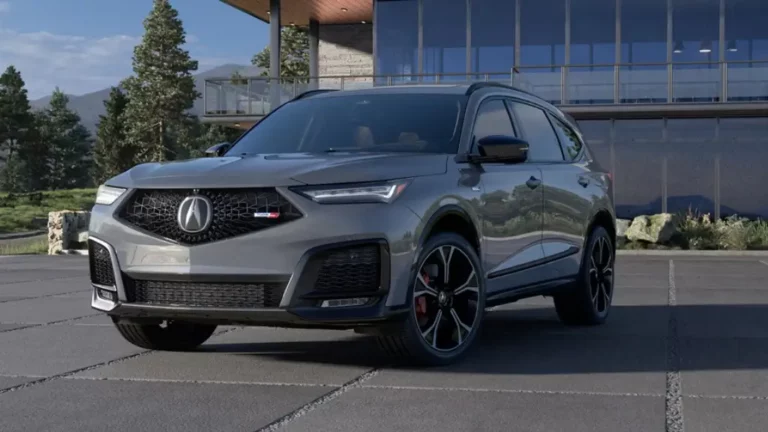
- Buick remains a strategic global brand, with China-developed vehicles expected to play a larger role in international markets.
- The move highlights how legacy automakers continue partnering with Chinese companies to stay competitive in EVs and software-defined vehicles.
General Motors (GM) and SAIC Motor have extended their joint venture for another 20 years. This renewal agreement follows GM’s restructuring of its operations in China, which includes plant closures and reductions in its vehicle lineup.
According to the automaker, the renewed partnership will accelerate vehicle development in China for both local and global markets.
The company plans to export Buick and Cadillac models developed in China to various markets, including Mexico, South America, the Middle East, Africa, and parts of Asia. The Buick Electra series, specifically designed for the Chinese market, will begin overseas exports later this year. However, GM has announced that there are no plans to export China-built vehicles to the United States due to tariffs and national security restrictions.
GM reshapes its China strategy
In reshaping its strategy in China, GM will discontinue Chevrolet sales while focusing on the Buick and Cadillac brands. Chevrolet vehicles will still be produced through GM’s separate SAIC-GM-Wuling venture for export markets. SAIC-GM aims to launch at least 30 electric and hybrid models by 2030 to compete more effectively with Chinese automakers.
Notably, GM’s sales in China have dropped to less than half of their peak in 2017, as competitors like BYD gain market share. Last year, the automaker recorded over $5 billion in non-cash restructuring charges, but it has since returned to profitability in China. Industry analysts suggest that the renewed venture demonstrates how global automakers increasingly depend on Chinese engineering, manufacturing, and technology, despite existing geopolitical tensions.