Welcome back to the latest episode of “The Future of Automotive” on CBT News, where we put recent automotive and mobility news into the context of the broader themes impacting the industry.
I’m Steve Greenfield from Automotive Ventures, and I’m glad that you could join us.
The global transition to electric vehicles — once framed as inevitable — is starting to look a lot more complicated.
As with many major economic shifts, it didn’t happen all at once. It moved slowly at first. And now, suddenly, the cracks are harder to ignore.
This week alone brought a cascade of signals suggesting the electric vehicle era is entering a far more uncertain — and contested — phase.
In Europe, the European Commission backed away from what had been the world’s most aggressive timeline for phasing out internal combustion engines. Automakers and consumers are being given more time to move off gasoline.
Just a day earlier, Ford announced nearly 20 billion dollars in charges — tied directly to retreating from an electric strategy it once pledged to pursue, all in.
And this pullback isn’t limited to a handful of skeptics. From legacy automakers to the companies that helped ignite the EV boom, the reckoning has been building for months.
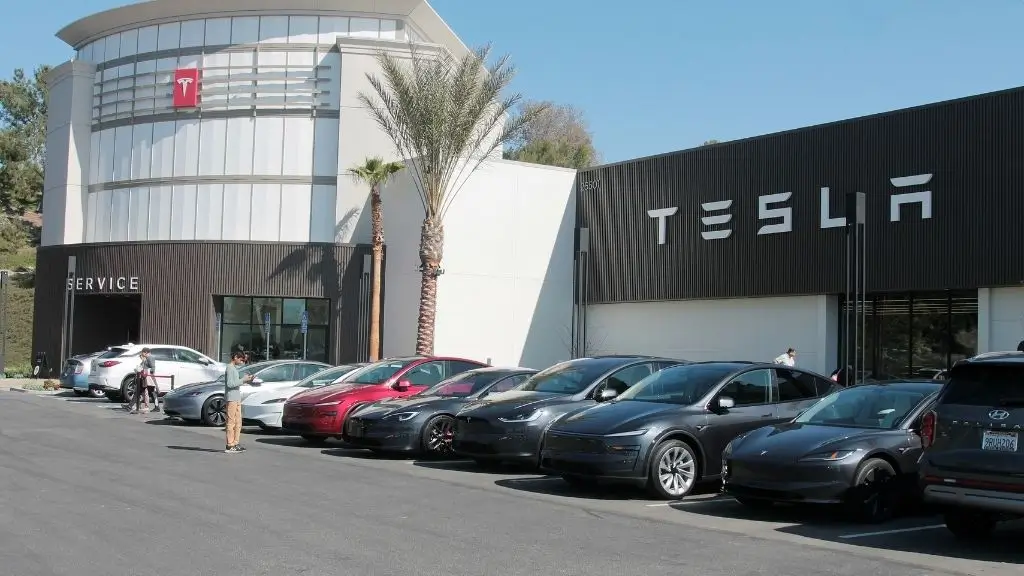
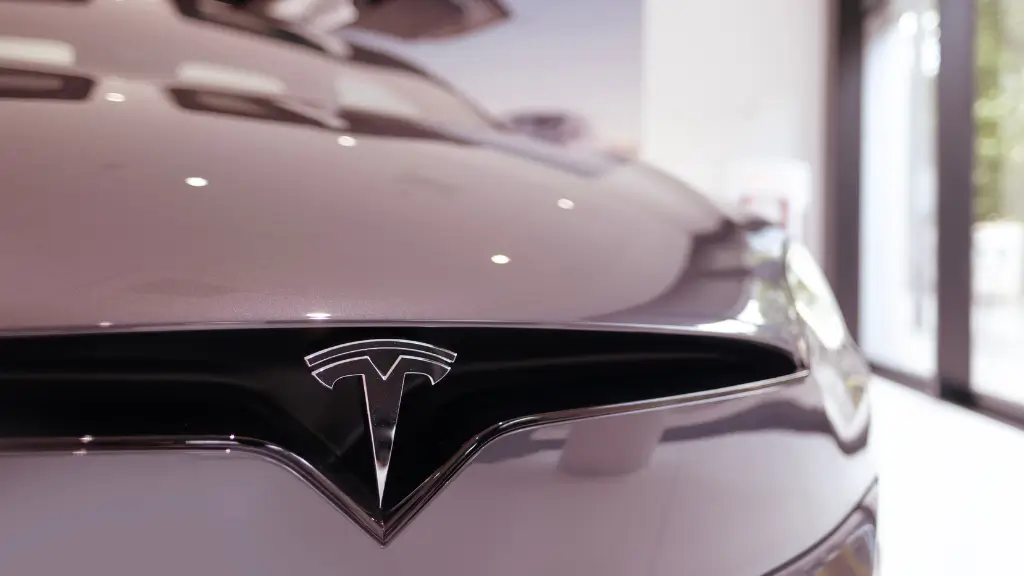
Consider Tesla — the company that arguably did more than any other to kick-start the electric vehicle revolution. Elon Musk’s company was never going to sustain the meteoric rise it saw early in the decade. But this is more than a slowdown.
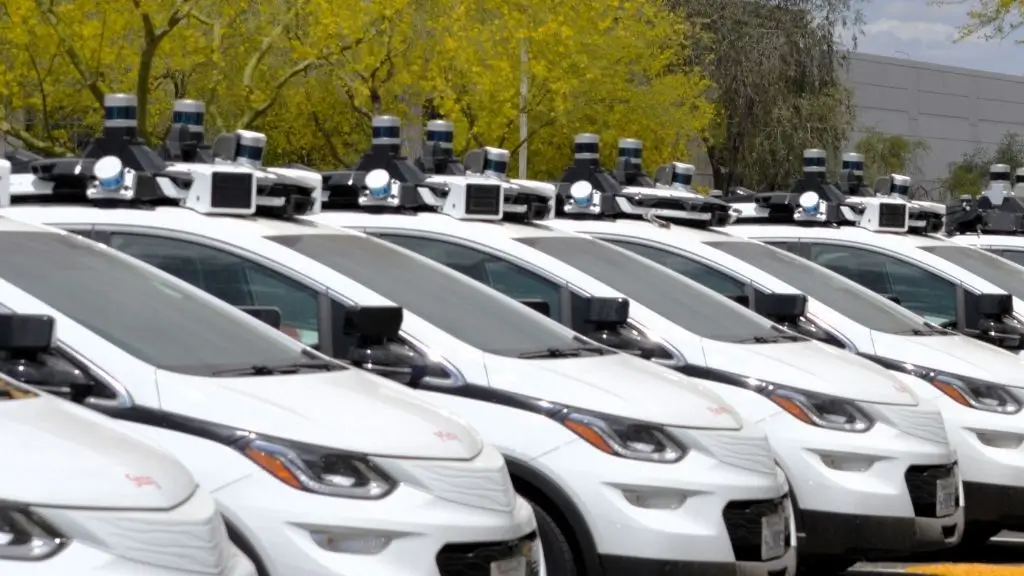
Global vehicle deliveries are now expected to fall for the second year in a row. And Musk’s attention has shifted — away from the long-promised affordable electric car, toward projects like humanoid robots and autonomous taxis.
In China, BYD is on track to become the world’s top seller of battery-electric vehicles in 2025. But even there, momentum is faltering. Sales have declined for three straight months. The company still produces one plug-in hybrid for every fully electric vehicle — and Chinese regulators are increasingly scrutinizing aggressive pricing.
Meanwhile, traditional automakers trying to catch up are struggling.
General Motors has taken 1.6 billion dollars in charges to scale back EV production capacity — and has warned more could be coming.
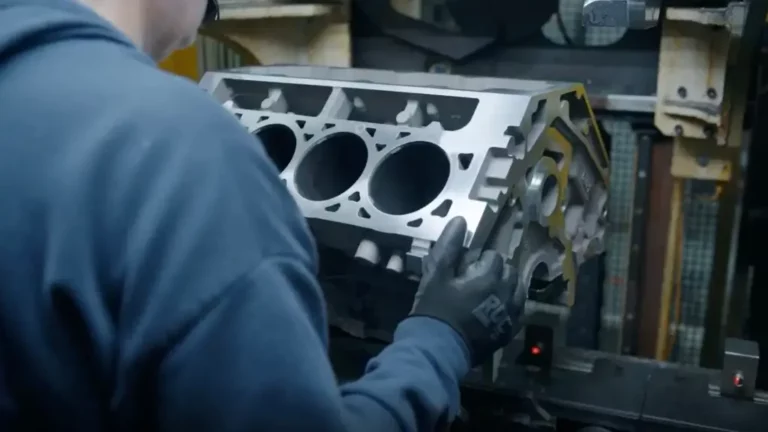
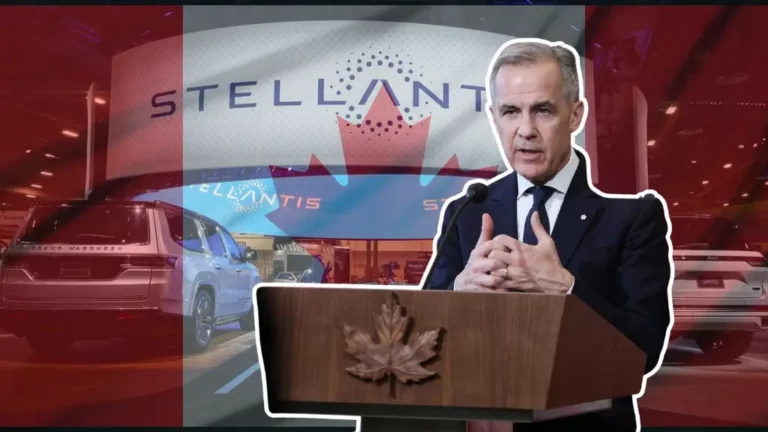
Stellantis has scrapped plans for a fully electric Ram pickup truck, reviving large V-8 engines — vehicles that continue to sell well in a U.S. market where fuel economy standards have been weakened.
And in Germany, Volkswagen — once one of Tesla’s most determined rivals — is ending production of its electric ID.3 hatchback this month. It will mark the first time in 88 years that Volkswagen has shut down production at a German assembly plant.
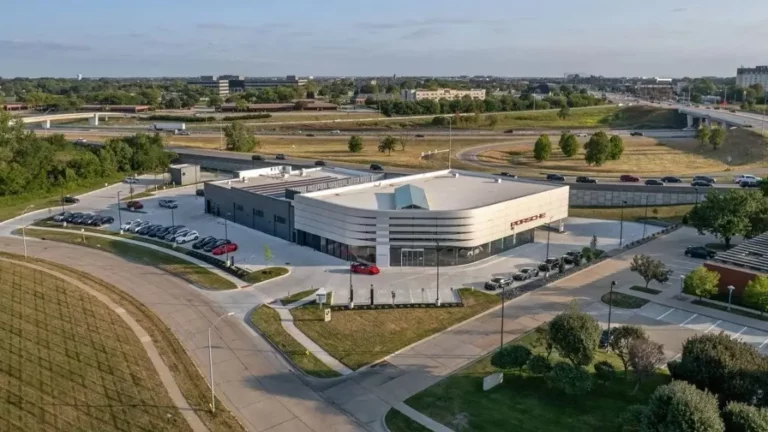
The company has already absorbed billions in losses, including 4.7 billion euros tied to Porsche reversing parts of its EV strategy.
And yet — despite all of this — the transition is not being abandoned.
“EVs remain our North Star,” General Motors CEO Mary Barra recently told investors, arguing that battery-powered vehicles are fundamentally better than internal combustion engines.
Volvo, which had lobbied aggressively for Europe’s 2035 ban on gas-powered cars, says electric vehicles remain one of the fastest-growing segments of the industry.
But the reality policymakers are now confronting is simple: EV sales are not growing nearly fast enough to meet the targets set for the next decade.
The European Commission’s new plan still requires a 90 percent reduction in tailpipe emissions by 2035 — down from the original goal of 100 percent. Automakers will also have to offset pollution by using renewable fuels or low-carbon materials like green steel.
For manufacturers, that means more flexibility — but also more complexity. Multiple powertrains. Multiple technologies. And billions more in investment spread across all of them.
At Ford, the cost of that recalibration is steep. The company’s charges are tied to canceling an electric F-Series truck line, shifting production back toward gas and hybrid vehicles, and repurposing battery plants to produce energy storage systems instead of cars.
Ford CEO Jim Farley summed it up this way: “We need to give customers choice — and then use our manufacturing flexibility to go where the customers are.”
That may be the clearest signal yet of where the industry stands right now.
The electric future isn’t disappearing.
But it’s no longer arriving on the timeline many once promised.
So, with that, let’s transition to Our Companies to Watch.
Every week we highlight an interesting company in the automotive technology space to keep an eye on. If you read my weekly Intel Report, we showcase a company to watch, and we then take the opportunity here on this segment each week to share that company with you.
Today, our new company to watch is EPIC.
The manual process of collecting loan payoff information, releasing liens and obtaining titles is time-consuming and can come with costly errors and delays.
With EPIC, you gain access to more information, enhanced reliability and overall faster lien and title releases.
Use EPIC to enhance your loan payoffs and title transfers.
And streamline loan payoff to lien release with EPIC.
If you’d like to learn more about EPIC, you can check them out at www.withepic.com

So that’s it for this week’s Future of Automotive segment.
If you’re an entrepreneur looking to solve a big problem anywhere across the Mobility spectrum, we want to hear from you. We are actively investing out of our new Mobility Fund.
Don’t forget to check out my first book, “The Future of Automotive Retail,” and my newest book, “The Future of Mobility”, both of which are available on Amazon.
Thanks (as always) for your ongoing support and for tuning into CBT News for this week’s Future of Automotive segment. We’ll see you next week!