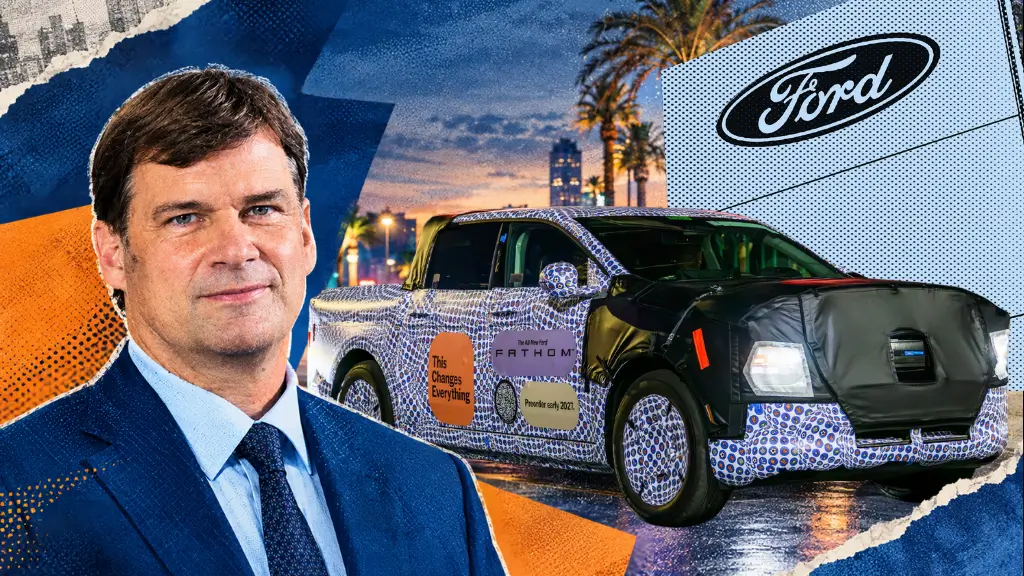
Several Detroit automakers are scaling back EV investments, canceling projects, and redirecting production. So, what does this look like for dealers on the ground? Joining us on the latest episode of Inside Automotive, Tim Hovik, dealer principal at San Tan Ford in Arizona, shares his perspective on the current state of EV sales, market trends, and the broader automotive economy as manufacturers scale back investments and adjust production strategies.
According to Hovik, EV sales at San Tan Ford have slowed after the removal of the federal tax incentives. The earlier incentive period created heightened demand that is now more in line with a natural market. While the pace of sales has moderated, Ford’s EV models, including the Lightning and Mach-E, continue to perform well, with leasing patterns returning to align more closely with the rest of the portfolio.
“We’re going to see more EVs made each year.”
Manufacturing and regulatory shifts
Automakers, including Ford, are adjusting production strategies in response to rapidly changing government regulations. Hovik described the current EV market as a “pivot,” with dealers and consumers caught between manufacturing timelines and evolving policy requirements. However, he predicts the industry is entering a “second-generation” phase for EVs, with future vehicles likely to differ in design, pricing, and technology.
The used EV market is emerging but remains in early stages. Hovik noted that most used EVs currently trade around $30,000, regardless of brand. Higher-priced models, from $40,000 to $45,000, have slower turnover.
Generational trends
Hovik stresses that younger buyers and households with multiple vehicles are among the most receptive to EV adoption. He sees strong potential in “split garages,” where one vehicle is electric, and the other is internal combustion. Over time, he predicts some households may transition to two EVs as technology and range improve.
Hovik affirms that consumers often gravitate toward EVs, even for mid-range trips, once they experience the convenience and performance, reinforcing the growth potential for dual-EV households.
“EV isn’t going away. It’s a changing environment.”
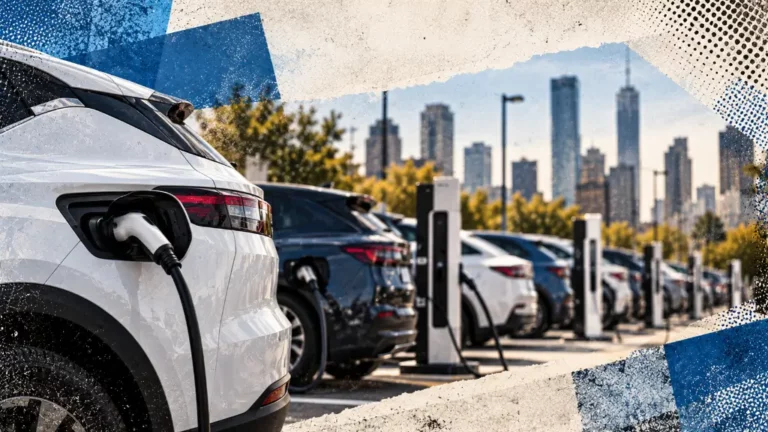
Moreover, Hovik expects advances in charging speed to significantly reduce range anxiety, making long trips comparable in convenience to those of internal combustion vehicles. He anticipates major improvements in the next three to five years, particularly in charging infrastructure, that will further accelerate EV adoption.
Economic outlook
Hovik remains optimistic about the broader automotive market in 2026. While tariffs and supply-chain issues may influence vehicle pricing, he says consumer confidence will be key to absorbing costs.
He also highlights the link between a strong housing market and automotive stability, noting that healthy housing and auto sectors have historically correlated with overall economic resilience.
EV adoption, Hovik says, will continue at a recalibrated pace following the end of tax incentives. Dealers must navigate regulatory shifts, evolving manufacturing priorities, and changing consumer behaviors. Two-vehicle households, ongoing technological improvements, and consumer confidence will drive growth in the coming years.