TSLA360.590-20.67001%
GM72.540-2.5%
F11.590-0.09%
RIVN15.4000.46%
CYD39.410-0.08%
HMC24.150-0.16%
TM207.010-2.66%
CVNA313.5481.45799%
PAG149.3400.18%
LAD251.8201%
AN197.680-0.29%
GPI329.450-1.34%
ABG194.7600.73%
SAH64.870-0.38%
TSLA360.590-20.67001%
GM72.540-2.5%
F11.590-0.09%
RIVN15.4000.46%
CYD39.410-0.08%
HMC24.150-0.16%
TM207.010-2.66%
CVNA313.5481.45799%
PAG149.3400.18%
LAD251.8201%
AN197.680-0.29%
GPI329.450-1.34%
ABG194.7600.73%
SAH64.870-0.38%
TSLA360.590-20.67001%
GM72.540-2.5%
F11.590-0.09%
RIVN15.4000.46%
CYD39.410-0.08%
HMC24.150-0.16%
TM207.010-2.66%
CVNA313.5481.45799%
PAG149.3400.18%
LAD251.8201%
AN197.680-0.29%
GPI329.450-1.34%
ABG194.7600.73%
SAH64.870-0.38%

Ford calls on Treasury to loosen terms for new federal EV tax credits

Ford sales

Image sources: Ford

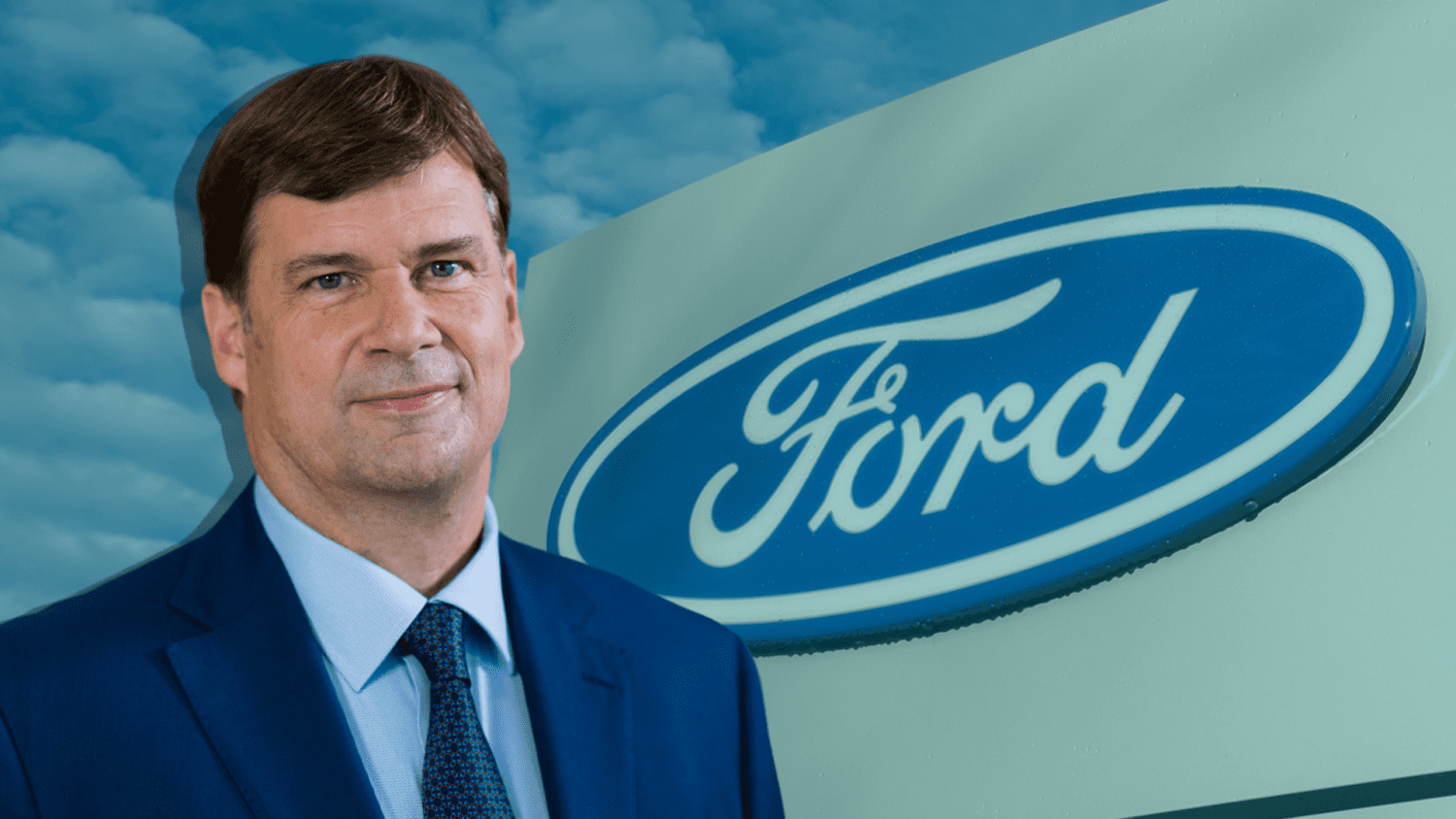
Ford Motor Company is asking the US government to limit what it calls a “foreign entity of concern” so that more vehicles can qualify for the $7,500 electric vehicle tax credit outlined in the Inflation Reduction Act.

As it stands, the law requires that vehicles be assembled in North America, use increasing amounts of critical minerals from the US or free trade agreement countries, and battery components from North America to qualify for the total $7,500. The regulations disqualify vehicles that include any component or minerals made in “a foreign entity of concern,” which includes countries like China, Venezuela, Russia, Iran, and others.

Industry experts say the strict regulations will mean no vehicles will qualify for the full credit starting in January when the full list of regulations goes into effect.

In comments submitted to the US Department of Treasury last week, Ford said although it supports the goal of strengthening domestic and ally-based battery and critical mineral production, “an overly expansive interpretation of this provision risks undermining the very same objective by making the clean vehicle credit largely unavailable.”

Ford is asking the government to clarify what vehicles are eligible for the credit and explain how companies can prove they qualify. It also wants the law not to exclude joint ventures with non-US partners, any US-organized company regardless of its owners, and certain other non-US companies that are organized in an unlisted country if it’s less than 50% owned by a listed country. The automaker also asks for a broader interpretation of words that determine whether companies meet requirements, such as “processing” and “recycling.”

“Doing so will allow more customers to benefit from the incentive now and into the future and push automakers and suppliers to build up the supply chains that are critical to our economic and national security,” read the comments.


Did you enjoy this article? Please share your thoughts, comments, or questions regarding this topic by connecting with us at newsroom@cbtnews.com.

Be sure to follow us on Facebook, LinkedIn, and TikTok to stay up to date.

While you’re here, don’t forget to subscribe to our email newsletter for all the latest auto industry news from CBT News.
More from Articles
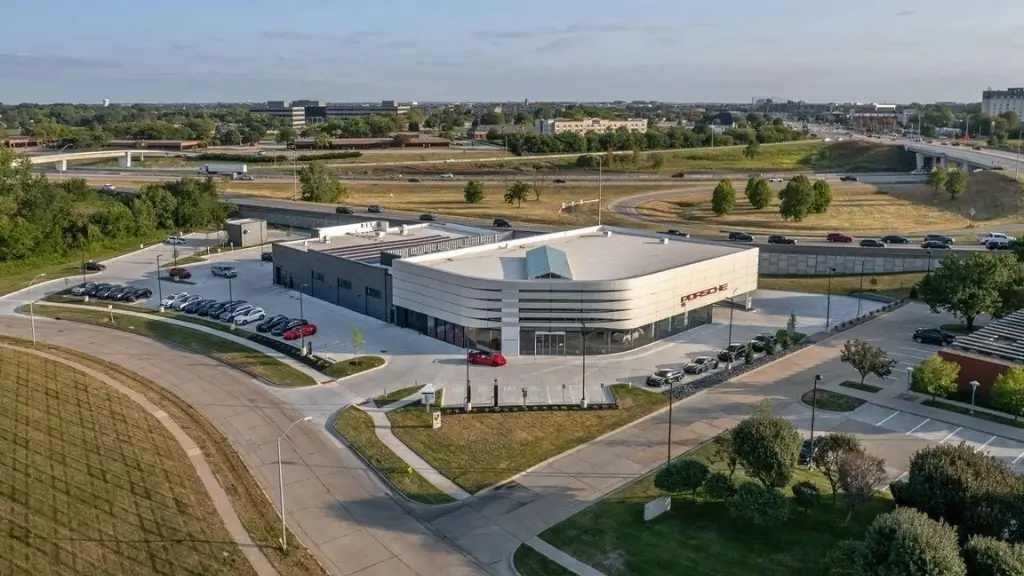
Ed Morse Automotive Group acquires Porsche Des Moines in Iowa

Ed Morse Automotive Group acquires Porsche Des Moines in Iowa

- April 3, 2026
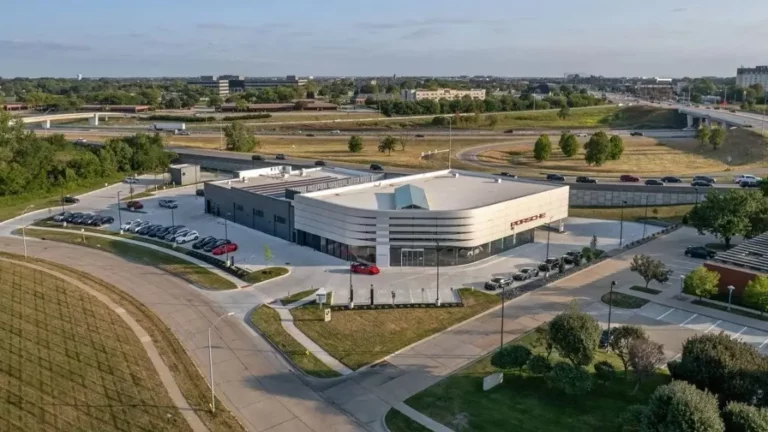
Ed Morse Automotive Group acquired Porsche Des Moines in Iowa from Jason Pittack of the Woodhouse Auto Family in a transaction that closed April 1, 2026. The dealership will continue...
GM to invest more than $150 million in Saginaw Metal Casting Plant

GM to invest more than $150 million in Saginaw Metal Casting Plant

- April 3, 2026
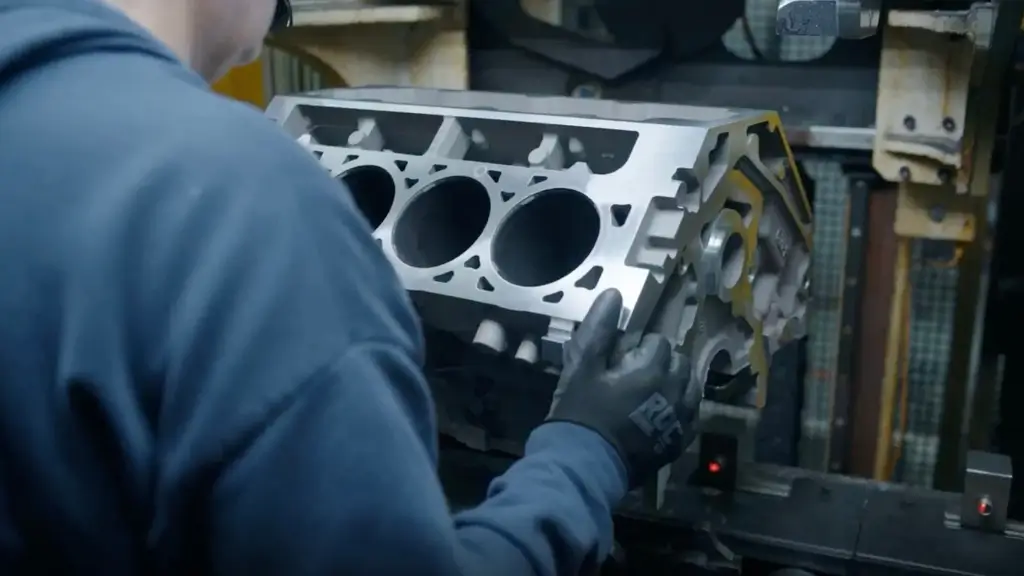
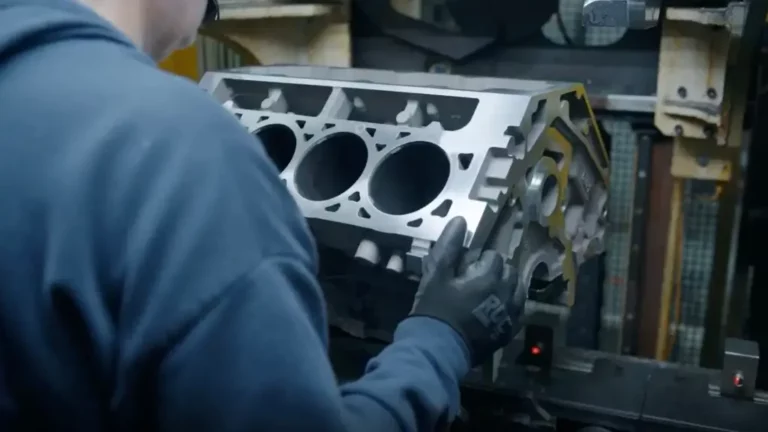
General Motors announced plans to invest more than $150 million in its Saginaw Metal Casting Operations to support the production of the sixth generation of GM’s V-8 engine blocks and...
White House revises metals tariffs, shifts calculation method

White House revises metals tariffs, shifts calculation method

- April 3, 2026
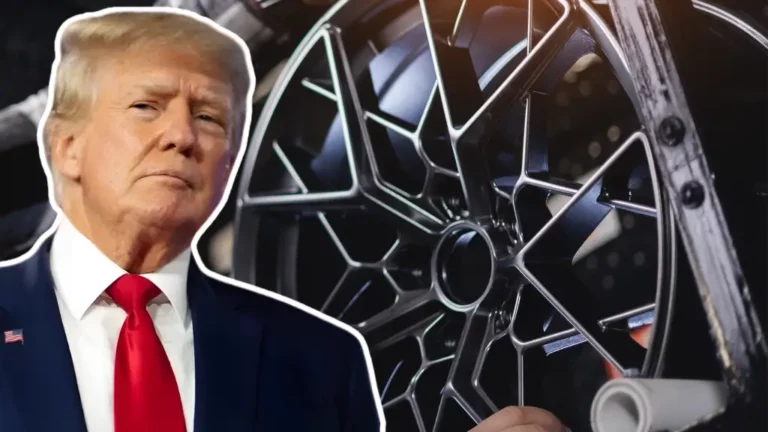
On the Dash: The revised tariff structure simplifies how metals duties are calculated by applying them to consumer purchase prices and eliminating complex component-level assessments. The changes are expected to...
Stellantis explores EV production in Canada with China’s Leapmotor

Stellantis explores EV production in Canada with China’s Leapmotor

- April 3, 2026
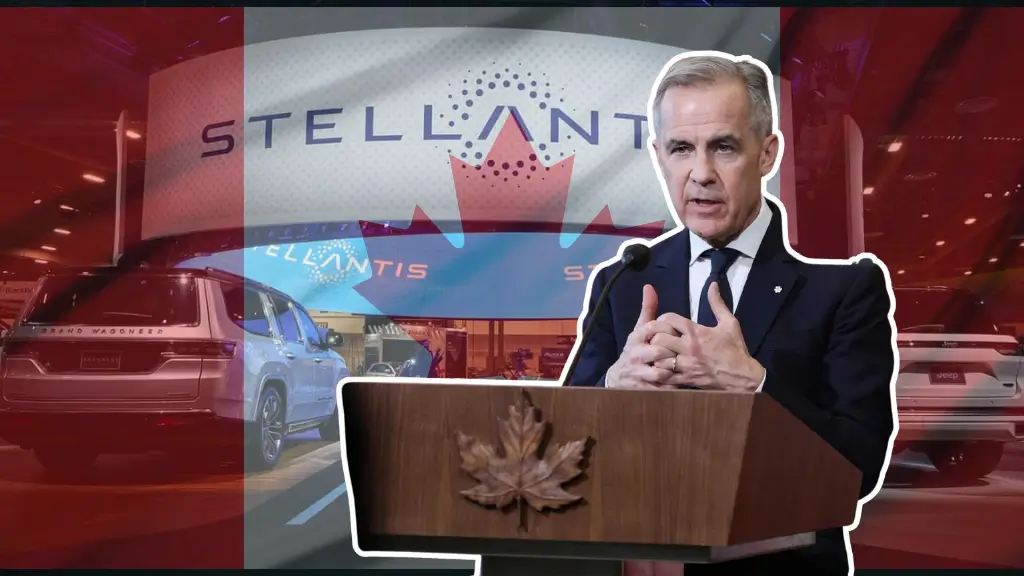
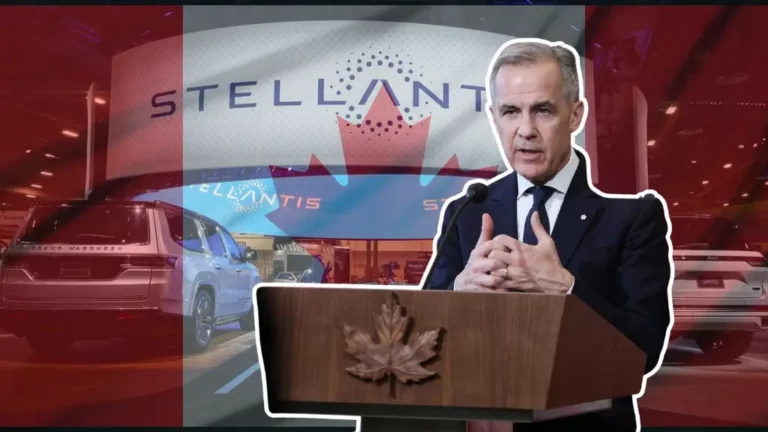
On the Dash: Stellantis’ early-stage talks with Leapmotor highlight how global partnerships are accelerating as automakers adapt to shifting tariffs and EV demand. Uncertainty around U.S. trade policy and potential...
CBT News
Privacy Overview

This website uses cookies so that we can provide you with the best user experience possible. Cookie information is stored in your browser and performs functions such as recognising you when you return to our website and helping our team to understand which sections of the website you find most interesting and useful.