

On the Dash:
- Misconceptions about EV costs, maintenance, and leasing are slowing adoption.
- Range anxiety and charging concerns persist, but infrastructure and fast-charging are improving.
- Used EV demand is rising as federal tax credits expire, creating opportunities for dealers.
Electric vehicle (EV) sales are climbing, accounting for nearly 9% of new vehicle sales in 2024, but misconceptions about cost, maintenance, and leasing remain significant hurdles. CDK Global research finds that many buyers overestimate expenses while underestimating savings from incentives, lower fuel costs, and minimal maintenance. On average, EV ownership can cost about $3,000 less over five years compared with gas-powered vehicles.
Leasing misunderstandings also limit adoption. Surveys show 91% of EV shoppers plan to buy outright, yet 50% to 80% of purchases are actually leases, which can allow buyers to access federal incentives. Confusion over lease buyouts and vehicle depreciation continues to affect purchase decisions.
Despite their tech-forward nature, most EV buyers prefer some in-person experience, with only 6% completing transactions entirely online. This preference challenges direct-to-consumer models like Tesla, Rivian, and Lucid.
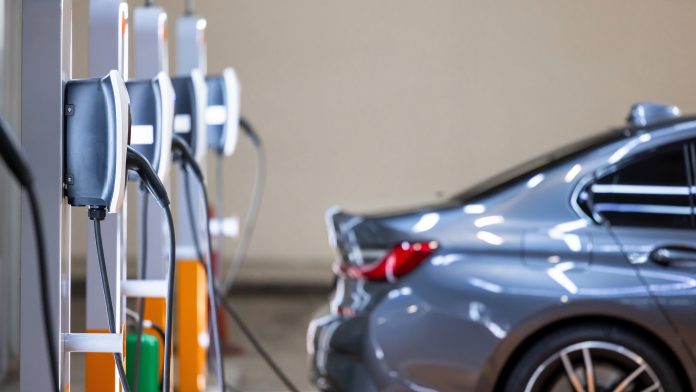
Range anxiety and charging logistics remain concerns. Nearly 70% of EV owners keep at least one gas vehicle, often citing long trips, though fast-charging and improved infrastructure are easing worries. Modern EVs can add 150 to 200 miles in 15 to 20 minutes using fast chargers and apps that help plan routes and monitor charger availability. Most EV owners take only two trips per year over 200 miles, suggesting range limits rarely affect everyday driving.
The used EV market is expanding rapidly, fueled by lease returns, affordability, and tax incentives. With federal EV credits ending Sept. 30, 2025, pre-owned EV demand is accelerating. Average used EV prices dropped nearly 9% in 2024, and over 30% now meet the “sweet spot” of $25,000 or less, qualifying for a $4,000 federal credit. Used EVs also offer advanced technology and environmental benefits without the higher cost of new models.
Dealerships must adopt a year-round, tailored approach to EV sales. Educating buyers on costs, charging, and range while personalizing the purchase experience is critical. EV salespeople are increasingly focused on demystifying home charging, addressing range concerns, and guiding customers through incentives. Those who address misconceptions and simplify ownership stand to gain a strong competitive advantage as EV adoption continues to grow.