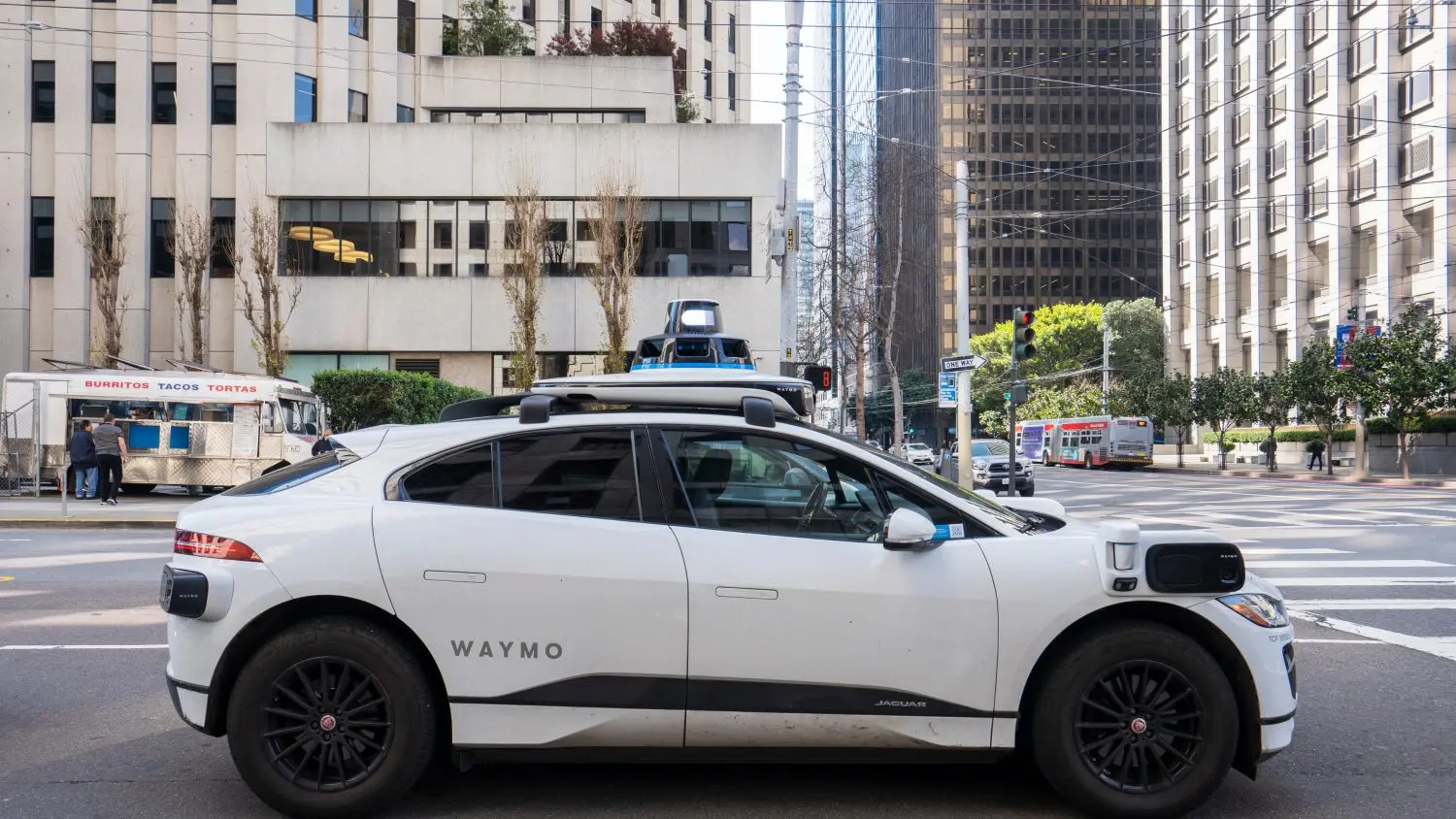

The U.S. Department of Transportation (DOT) and the National Highway Traffic Safety Administration (NHTSA) announced changes to its Part 555 exemption, which permits manufacturers to sell up to 2,500 vehicles annually that do not meet all current Federal Motor Vehicle Safety Standards (FMVSS). These standards include fully autonomous vehicles without steering wheels, pedals, or mirrors.
The change, announced June 13 by Transportation Secretary Sean Duffy, aims to accelerate innovation in self-driving technology by reducing bureaucratic delays.
First introduced in April, the streamlined framework includes internal agency reforms aimed at improving processing speed, increasing transparency, and enhancing communication with applicants. NHTSA expects the revised process will cut application review times from years to months.
Transportation Secretary Sean Duffy described the previous process as “bogged down in unnecessary red tape,” noting that it has hindered AV developers from keeping pace with the evolving technology. NHTSA Chief Counsel Peter Simshauser also released a public letter outlining the agency’s approach to speeding up decisions and providing greater clarity to applicants.
Among the updates, the NHTSA plans to publish enhanced application instructions to help manufacturers better understand the requirements and reduce the need for back-and-forth follow-ups. Additionally, the agency will adopt a “more dynamic and flexible approach” to evaluating exemptions, taking into account the evolving nature of autonomous driving systems (ADS). This includes building terms that condition vehicle operations on continuing oversight, similar to how the Automated Vehicle Exemption Program (AVEP) handles exemptions.
While the updates signal that regulators will conduct reviews more quickly, they may not have made any changes to the Part 555 exemption framework. The required public notice and comment period, published in the Federal Register, must still occur before the final decision can be made.
Currently, AVs on U.S. roads must comply with FMVSS regulations designed for human-driven vehicles. Part 555 allows exceptions, but applicants must demonstrate that their vehicles offer a safety level equal to or greater than non-exempt vehicles and that their exemption supports the public interest.
To date, only one company has been granted a Part 555 exemption for an autonomous vehicle, although more applications are currently under review. Separately, NHTSA has also expanded the availability of exemptions under AVEP, including for small-volume, non-commercial, domestically manufactured vehicles, and proposed additional exemption paths through its AV STEP rulemaking earlier this year.
Navigating the revised exemption process will still require technical expertise, regulatory familiarity, and alignment with DOT policy goals. As Part 555 is just one path in a broader ecosystem of AV regulations and exemptions, companies must evaluate which approach best fits their deployment strategy.