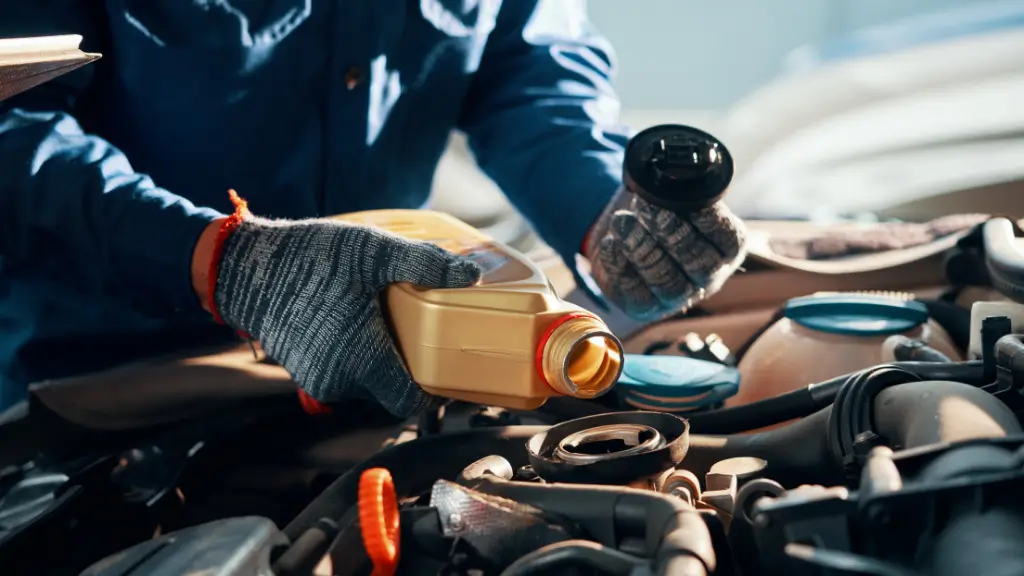
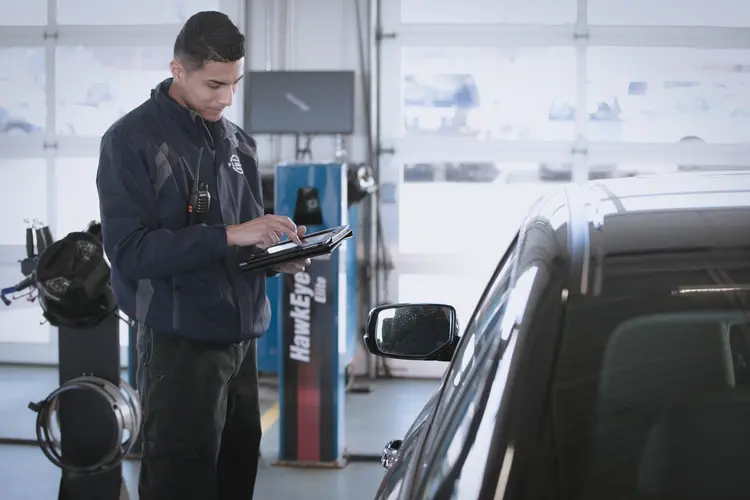
Mechanics make up some of the top 25 most dangerous jobs mainly because of the number of injuries and deaths that occur in the industry. Considering some of the most common accidents in the service department, how can you keep your technicians safer? We evaluate the top three injuries suffered by mechanics and look at ways to mitigate the damage.
Cuts and Burns
There are a lot of items that can cut or burn your technicians in the service department. Whether an automotive part falls on the technician or the use of a tool leads to a cut, these are common injuries that are suffered in varying degrees.
Working with power tools can intensify the risk. Impact guns, angle grinders, and other tools increase the chances of losing a digit or limb.
How to Protect Employees: Make sure you train your team to wear safety equipment when using these power tools. It’s also important that enough training has been given when using heavy-duty power equipment. When the tools aren’t in use, they should be stored properly and routine inspections should occur to ensure that all tools are working as intended.
| Related: Tools the service department should supply for techs |
Cumulative Trauma Disorders
Mechanics are constantly overexerting themselves and lifting heavy objects. As they bend over continuously and maintain poor posture, there is a higher risk for sprains and strains. They also suffer from pulled muscles, back sprains, wrist injuries, spinal injuries, elbow injuries, and carpal tunnel syndrome.
The trouble with many of these injuries is that it becomes much harder to complete assignments once the pain sets in. Plus, many of them can be difficult to rebound from, meaning prevention is much more valuable.
How to Protect Employees: The repetitive motions performed by most auto mechanics are what often lead to these injuries. To avoid the strain that comes from lifting, you can supply machinery that does the lifting and lowering for them. You may also implement a few minutes of warm-up exercises before your technicians head to work. Even a few minutes of warm-up can stretch the muscles enough to prevent injury. Your technicians might be receptive to taking a few minutes out of work each morning for this preventative measure.
Toxic Injuries
Auto mechanics are subject to many toxic materials while doing their job. They are constantly breathing in gasoline additives, industrial chemicals, and cleaning products. Some products also contain asbestos, which can cause cancer or lead to respiratory diseases. Even worse, there are products that contain lead in the garage, which can lead to neurological disorders, anemia, kidney disease, and death.
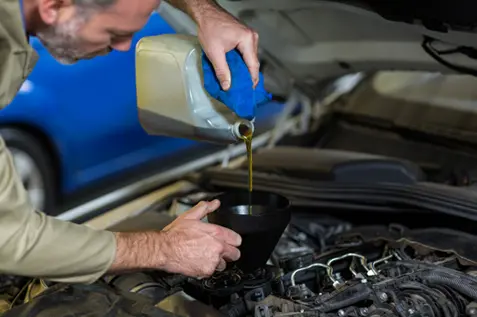 As these toxins build up in the bloodstream, more long-term effects are seen. Vision loss, organ damage, and seizures are not uncommon among mechanics that have been exposed for many years.
How to Protect Employees: The most important way to remove the risk of inhalation of dangerous substances is to create a well-ventilated work area. When the mechanics are working with harmful substances, it’s best to enforce wearing gloves and masks for more protection. It’s also helpful to wash hands after touching any harmful chemical.
Final Thoughts
While being a mechanic is a dangerous job, a well-planned-out service department can help mitigate damage. By putting some safeguards in place, you can dramatically reduce the chances of injury and have a more satisfied workforce.
Did you enjoy this article from Brian Jones? Please share your thoughts, comments, or questions regarding this topic by submitting a letter to the editor here, or connect with us at newsroom@cbtnews.com.
Be sure to follow us on Facebook and Twitter to stay up to date or catch-up on all of our podcasts on demand.
While you’re here, don’t forget to subscribe to our email newsletter for all the latest auto industry news from CBT News.