TSLA448.98515.53499%
GM76.6350.195%
F13.7101.72%
RIVN14.4900.5401%
CYD50.5101.99%
HMC24.5050.395%
TM187.7006.03%
CVNA71.140-2.58%
PAG167.070-1.96%
LAD274.940-0.36%
AN192.830-2.53%
GPI333.040-3.1%
ABG194.9801.3%
SAH77.490-1.09%
TSLA448.98515.53499%
GM76.6350.195%
F13.7101.72%
RIVN14.4900.5401%
CYD50.5101.99%
HMC24.5050.395%
TM187.7006.03%
CVNA71.140-2.58%
PAG167.070-1.96%
LAD274.940-0.36%
AN192.830-2.53%
GPI333.040-3.1%
ABG194.9801.3%
SAH77.490-1.09%
TSLA448.98515.53499%
GM76.6350.195%
F13.7101.72%
RIVN14.4900.5401%
CYD50.5101.99%
HMC24.5050.395%
TM187.7006.03%
CVNA71.140-2.58%
PAG167.070-1.96%
LAD274.940-0.36%
AN192.830-2.53%
GPI333.040-3.1%
ABG194.9801.3%
SAH77.490-1.09%

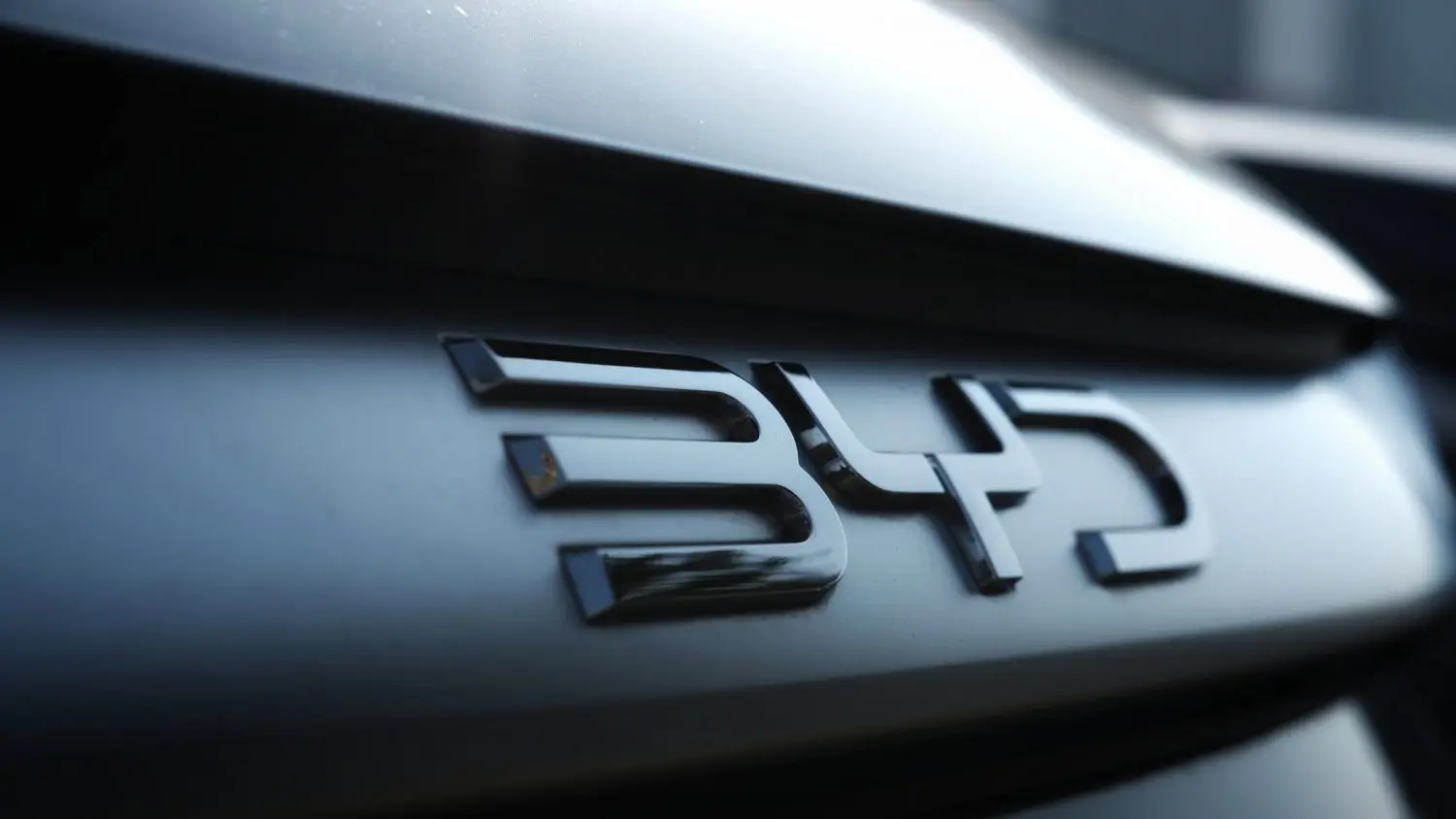
BYD unveils HaoHan energy storage system to rival Tesla Megapack

The new system offers higher capacity, lower costs, and advanced grid features for large-scale energy projects.
BYD unveils HaoHan energy storage system with up to 14.5 MWh, cutting costs and challenging Tesla’s Megapack.

On the Dash:

  • BYD’s HaoHan system offers up to 14.5 MWh, nearly three times Tesla’s Megapack 3.
  • It cuts system failures and maintenance costs by 70% and lowers project costs over 20%.
  • Advanced inverters and energy management optimize large-scale deployments.

BYD has launched a new stationary energy storage system, HaoHan, designed to compete with Tesla’s recently unveiled Megapack 3. The system boasts significantly higher capacity than Tesla’s containerized solution, with a standard configuration delivering 14.5 MWh—nearly three times Tesla’s 5 MWh Megapack 3. A 20-foot container version offers 10 MWh of energy storage.

The HaoHan system leverages BYD’s proprietary 2,710 Ah Blade Battery cell, the largest used in stationary storage. The company reports a cell-to-system volume ratio of 52.1%, claiming it is the highest in the world.

The design simplifies operations while improving reliability, reducing system failures and maintenance costs by roughly 70%. BYD also says the system allows for the deployment of gigawatt-hour projects using about half the number of battery units, potentially lowering overall energy project costs by more than 20%.

Sign up for CBT News’ daily newsletter and get the latest industry stories delivered straight to your inbox.

To complement HaoHan, BYD introduced new power electronics, including the GC Flux grid-forming inverter. Scalable from 2.5 to 10 MW, the inverter delivers around 38% higher performance than the industry average and achieves a peak power density of 1,474 kW per square meter, roughly 130% above typical market values. It supports overloads of up to three times rated output for short periods and reaches maximum efficiency of 99.35%.

The GC Flux PCS features advanced grid-forming capabilities, enabling real-time voltage and frequency regulation. It provides active inertia response for up to 25 seconds, ultra-fast voltage and frequency adjustments within 100 milliseconds, and wide-band damping across the 1–1,500 Hz range. These features help maintain grid stability, particularly for hybrid or renewable-heavy grids requiring smooth transitions between grid-connected and islanded operations.

BYD also unveiled a new energy management system, GC Master EMS, designed to optimize the capacity and performance of large-scale storage deployments, positioning it as a competitor to Tesla’s Autobidder platform.


More from Articles
The simple 'paperwork' mistake that could cost dealers $10,000

The simple ‘paperwork’ mistake that could cost dealers $10,000

- May 13, 2026
On the Dash: CDK Global says a paperwork problem cost a dealer $10,000 during a manufacturer audit. NADA calls federal record-keeping requirements among the most burdensome rules dealers face today. ...
GM-LG battery venture recalls small group of Ohio workers as EV demand slows

GM-LG battery venture recalls small group of Ohio workers as EV demand slows

- May 13, 2026
On the Dash: EV production volatility is directly affecting supply chain employment and factory output decisions. Incentive-driven demand shifts are forcing automakers to adjust production more quickly than long-term EV...
Nissan projects return to profit after seventh straight quarterly loss

Nissan projects return to profit after seventh straight quarterly loss

- May 13, 2026
On the Dash: Nissan’s projected return to profit could improve dealer confidence after multiple quarters of financial instability. Ongoing model cuts and production restructuring may impact future inventory mix and...
New-vehicle prices rose in April, but the gains fell short of the historical average, with wide variation across brands and segments, according to Kelley Blue Book.

New-vehicle prices rise in April, but the pace is cooling

- May 13, 2026
On the Dash: New-vehicle ATP rose 1.8% year over year in April, below the 3.6% long-term average. Ford and GM posted strong gains while several luxury brands saw transaction prices...
CBT News
Privacy Overview

This website uses cookies so that we can provide you with the best user experience possible. Cookie information is stored in your browser and performs functions such as recognising you when you return to our website and helping our team to understand which sections of the website you find most interesting and useful.