
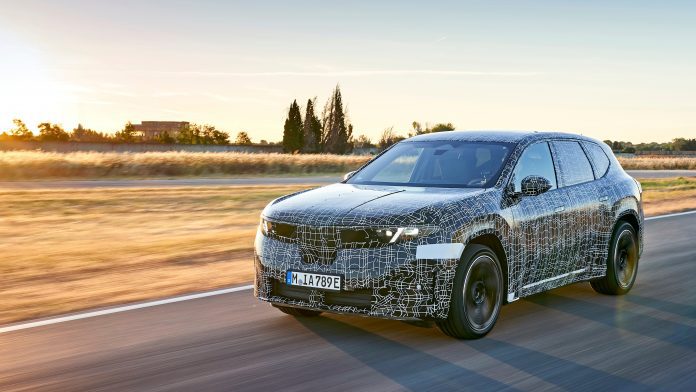
BMW is launching a new all-electric SUV, the iX3, as the first of 40 vehicles built on its all-new “Neue Klasse” platform, a sweeping initiative that aims to reposition the legacy automaker as a leader in electric vehicle innovation. With a projected range of up to 497 miles and 400 kW charging capability, the iX3 is a direct challenge to Tesla’s Model Y and a response to growing pressure from Chinese automakers offering cheaper, tech-forward EVs.
Production of the iX3 begins in Hungary later this year, with all Neue Klasse vehicles expected to make up half of BMW’s global sales by the end of the decade.
Here’s why it matters:
BMW’s Neue Klasse platform signals a major shift in the automaker’s strategy to compete in the EV market. It is the company’s largest investment in its history, and the Neue Klasse models will incorporate advanced software, powerful new computing systems, and driver-assist features developed across six global tech hubs.
It highlights a broader movement by legacy OEMs to modernize offerings, enhance digital integration, and retain market relevance in the face of Tesla’s scale and China’s price competitiveness. The iX3 not only strengthens BMW’s EV lineup with improved range and performance but also positions the brand to take advantage of upcoming changes in emissions and tariff policies. This new architecture, designed to support both EVs and hybrids, could help stabilize inventory diversity and appeal to varying regional demand while simplifying production across markets.
Key takeaways:
- Neue Klasse marks BMW’s biggest investment ever
BMW is rolling out 40 new or redesigned models on a single EV-first platform by 2027, beginning with the iX3 SUV. - iX3 targets Tesla with superior specs
With up to 497 miles of range and 400 kW charging speeds, the iX3 outpaces Tesla’s Model Y in both range and recharge times. - U.S. and global production plans are expanding
Initial manufacturing begins in Hungary this year, with plans to integrate Neue Klasse production in the U.S., China, Mexico, and Germany. - New software architecture will span all drivetrains
A “superbrain” computer system with 20 times the previous computing power will control everything from climate to autonomous driving. - EVs expected to reach 50% of BMW sales by 2030
The Munich plant will go fully electric by 2027, ending 75 years of combustion engine production at the flagship site.