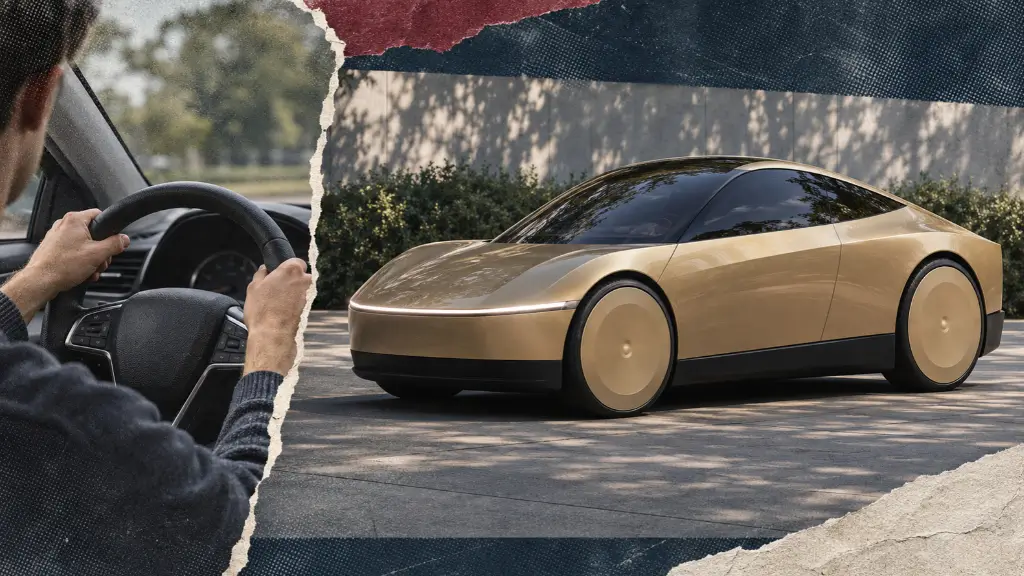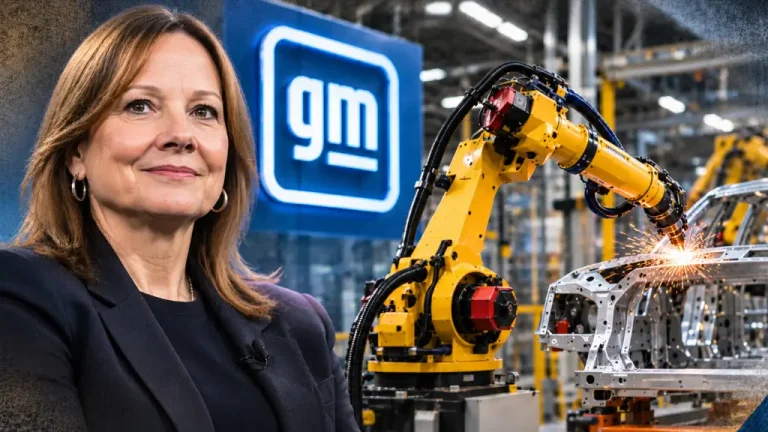
You buy a car, make the payments, pay for insurance, and cover the repairs. But what happens when the vehicle you own starts collecting information about you and sharing it with companies you never intended to do business with? General Motors has learned that this question can carry a $220 million price tag, and the controversy raises a much bigger issue about the future of vehicle ownership.
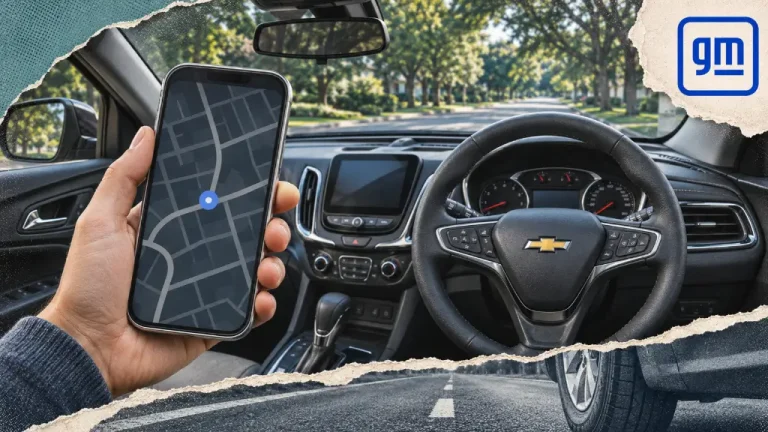
Today’s automobiles are increasingly connected computers on wheels. They can collect information about location, speed, braking, acceleration, and driving habits. Some of that information supports safety systems and vehicle operation. But when does useful technology cross the line into excessive data collection, and who gets to profit from it?
GM’s $220 million penalty is tied to allegations involving the sharing of customer driving data with third parties, including information that could affect insurance rates. For consumers, the concern isn’t simply what happened at one automaker. It’s an industry-wide business model that increasingly depends on collecting information from people who may not fully understand what they agreed to.
Think about that the next time you shop for a vehicle. You’re not just comparing horsepower, fuel economy, safety ratings, and monthly payments. You’re also navigating privacy policies, connected services, subscriptions, and permissions that can be difficult to understand.
Drivers shouldn’t need a law degree to buy a car without unknowingly signing away control of their personal information. If an automaker wants to collect and share customer data, it should explain exactly what is being collected, who receives it, and why. Consent should be meaningful, not buried in pages of legal language.
Technology should make driving safer and more convenient. It shouldn’t turn every trip into another opportunity to monetize the customer.
Bugatti and the billion-dollar business of automotive passion
While the GM controversy raises questions about where the industry is headed, the fifth annual Wynn Concours in Las Vegas reminded everyone why people fell in love with automobiles in the first place.
More than 7,500 people attended the event, which featured 385 vehicles valued at more than $1.3 billion. The associated Broad Arrow auction generated $92.8 million in sales. Those are extraordinary numbers, but the real attraction was the machinery itself.
From rare classics to extraordinary modern supercars, the Wynn Concours celebrates automotive design, engineering, history, and craftsmanship. These vehicles represent decades of innovation and the work of people who believe a car should be more than basic transportation.
We also spoke with Sascha Doering, chief operating officer of Bugatti of the Americas, about one of the most exclusive names in the automotive world.
Bugatti operates at the extreme end of performance and engineering. Its vehicles aren’t built for the average commuter, and that’s precisely the point. The company pushes boundaries in power, aerodynamics, materials, and craftsmanship. It represents what happens when engineers and designers are allowed to pursue extraordinary performance without treating every decision as a cost-cutting exercise.
In an industry increasingly focused on screens, software, and automated driving, Bugatti is a reminder that mechanical engineering still matters. There is something special about a vehicle created around performance and craftsmanship rather than another digital feature that may eventually require a monthly subscription.
Hyundai wants to take on the off-road competition
Hyundai is also making a bigger push into the off-road market with its XRT and XRT Pro models. The company recognizes that buyers want more than transportation. They want vehicles with distinctive styling, versatility, and the ability to venture beyond paved roads.
We spoke with Melvyn Bautista, senior manager of product planning at Hyundai Motor North America, about the company’s strategy and what separates its XRT models from the competition. Lauren and Karl also drove the latest versions to evaluate what Hyundai is bringing to the table.
The off-road segment has become increasingly competitive. Ford, Jeep, Toyota, and other manufacturers have built strong reputations with vehicles designed for outdoor adventure. Hyundai wants a larger share of that market, but consumers should look beyond aggressive tires, dark trim, and rugged marketing.
There is a difference between looking capable and actually being capable. Ground clearance, suspension tuning, traction systems, tires, underbody protection, and drivetrain performance matter far more than plastic body cladding. Buyers should know exactly what they’re getting before paying extra for an off-road package.
Still, competition is good for consumers. When more manufacturers enter a segment, buyers have more choices and automakers have to work harder to deliver meaningful improvements.
Keeping car culture alive
There’s another challenge facing the automotive industry that has nothing to do with data collection or vehicle technology: getting younger generations interested in cars.
Lauren and Paul Fix discussed Mini Takes The States and why automotive events, road trips, and enthusiast communities remain important parts of American culture.
For generations, cars have brought people together. Car clubs, racing events, restoration projects, road trips, and weekend gatherings have created communities built around a shared interest in automobiles. These experiences teach people about engineering, design, mechanical skills, and the freedom that comes with being able to get behind the wheel and go somewhere.
The industry needs younger enthusiasts, but it cannot expect them to develop a passion for automobiles simply by selling them another touchscreen. Manufacturers, dealerships, racing organizations, and automotive communities all have a role in making cars exciting and accessible to the next generation.
That means encouraging hands-on learning, supporting automotive events, and preserving opportunities for people to experience the vehicles themselves.
Who is the automotive industry really building cars for?
The contrast is becoming increasingly obvious. Automakers are investing in connected technology, software, automated features, and data collection, while consumers continue to value performance, capability, affordability, privacy, and the freedom to enjoy their vehicles.
The Wynn Concours and Bugatti demonstrate that automotive craftsmanship and engineering still inspire people. Hyundai’s XRT models show that buyers want choices beyond ordinary transportation. Mini Takes The States reminds us that cars are part of American culture, bringing people together in ways that technology alone cannot replace.
But GM’s data controversy exposes a problem the industry cannot ignore. A vehicle should not become a tool for collecting and monetizing personal information without customers clearly understanding what is happening.
The future of the automobile should include innovation, but it must also include consumer choice, transparency, and respect for ownership.
You bought the car. You should have a meaningful say in what it collects, what it shares, and who profits from it. And you should still be able to enjoy driving it.
Check out my full commentary on this story: https://youtu.be/DB9ZltV46XA
Looking for more automotive news? https://www.CarCoachReports.com
Listen and subscribe to The Drive with Lauren and Karl – https://www.youtube.com/@thedrivecarshow